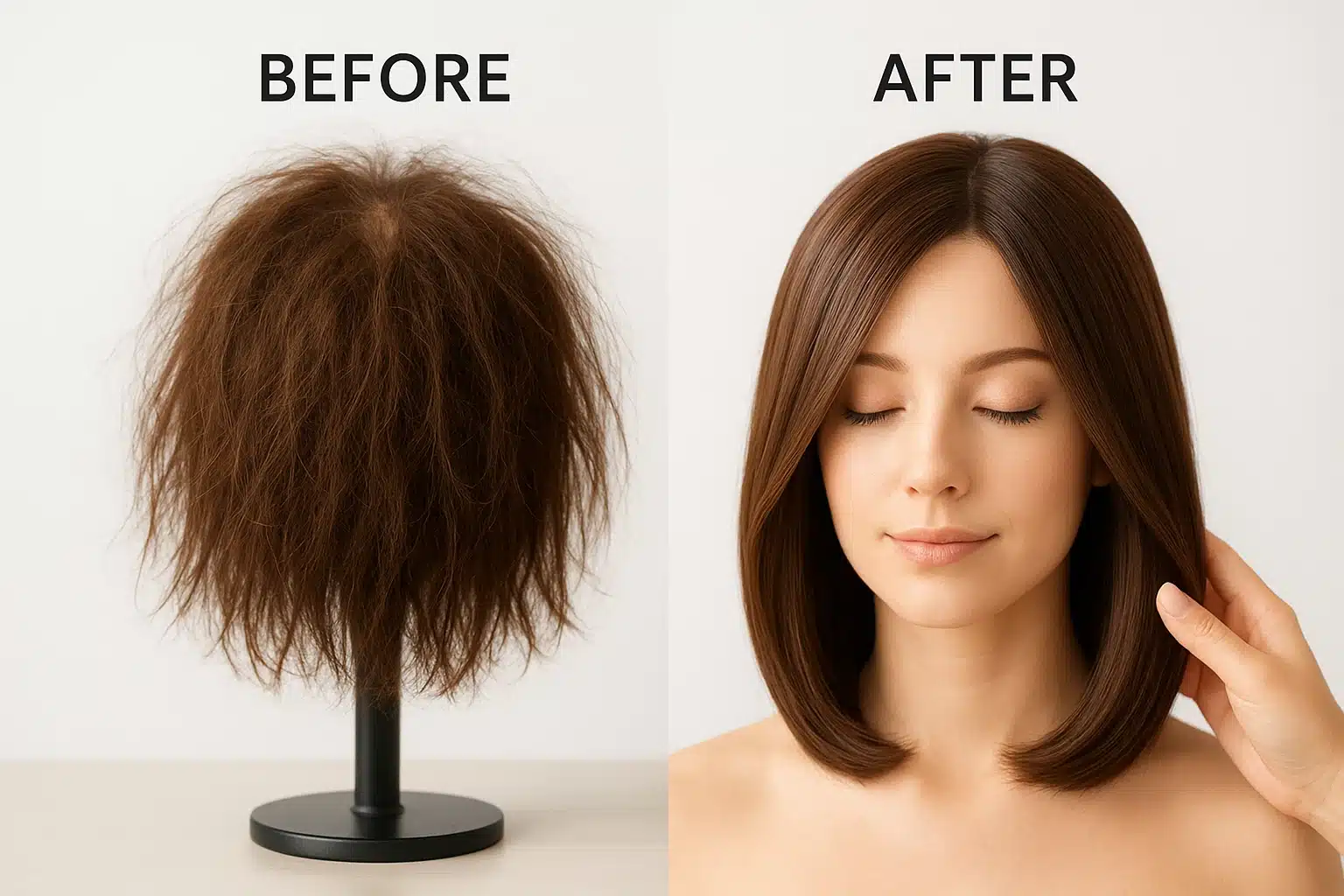
Whether you wear them for protective styling, fashion, or to navigate hair loss, wigs represent a significant emotional and financial investment. Ranging from several hundred to thousands of dollars, a premium human hair unit or a high-quality synthetic wig is a staple in your daily wardrobe. Yet, when a beloved unit begins to bald, mat, or frizz at the nape of the neck, many people mistakenly assume it has reached the end of its life. The truth is, with the right knowledge and local expertise, almost any wig can be revived.
Investing in a high-quality wig from one of the premier local boutiques can be life-changing, but even the best-constructed units eventually require specialized maintenance. If you are currently navigating the best wig stores in Detroit MI to find your next unit, it is equally important to plan for its long-term care and understand where to find premium repair services in the local community. By bridging the gap between understanding how hair fibers degrade and knowing exactly where to go in the Metro Detroit area for professional restoration, you can save money and keep your wigs looking flawless season after season.
The Anatomy of Wear: Why Wigs Degrade Over Time
Before you can fix a wig, it helps to understand why it’s breaking down. Wigs experience specific “wear points” based on how they sit on your head and interact with your environment. The nape of the neck is notorious for friction matting caused by rubbing against winter coats or sweaters. The hairline often suffers from adhesive buildup and lace tears. The crown is exposed to environmental UV dryness, and the cap’s elastic stretches out over time.
But the real science lies in the hair fibers themselves:
Synthetic Fibers (Kanekalon & Toyokalon)
Synthetic hair is essentially made of ultra-fine plastic-based polymers. When these fibers rub against your clothing, they generate static and heat. This “friction frizz” physically stretches and warps the molecular structure of the polymer. Because synthetic hair has a “molecular memory,” it requires very specific controlled heat to reset the fibers back to their smooth, original state.
Human Hair (Virgin & Remy)
Unlike the hair growing from your scalp, human hair wigs no longer receive natural sebum (oils) from your body. Without these essential lipids, the hair cuticles become depleted and dry. Chemical processing, hard water, and frequent use of hot tools rapidly strip the hair’s internal moisture, leading to severe tangling and breakage. Human hair requires low-pH, nutrient-dense lipids to maintain its structural integrity.
The DIY Restoration Toolkit: Safe At-Home Maintenance
Not every tangle requires a trip to the salon. Knowing how to maintain your units at home is the first step in maximizing their lifespan. Here are a few foundational techniques for your DIY toolkit.
The Bottom-to-Top Detangling Method
Never drag a comb from the root to the tip of a wig. This places massive tension on the delicate lace and causes shedding. Instead, use a wide-tooth comb and a specialized wet-slip detangling spray, working gently from the very ends of the hair upward in small sections.
The Cold-Water Bath Technique (For Synthetics)
Hot water can permanently ruin the baked-in style memory of a synthetic wig. Always use a cold-water bath with gentle, wig-safe cleansers. Interestingly, for heavily soiled synthetic wigs, a mild degreaser like Dawn dish soap is highly effective at stripping away oils and makeup buildup without damaging the plastic polymers—though this should never be used on human hair.
The “Silicon Mix” & Steam Therapy Ritual
When a synthetic wig becomes rough and frizzy, you can reset its molecular memory using a silicone-based reconstructor (like Silicon Mix) paired with low-temperature steam. By exposing the coated fibers to controlled heat, the silicone seals the warped polymers, restoring the wig’s silky movement.
Temperature Safety Guide
Always check your wig’s specific heat tolerance, but generally:
- Synthetic Hair: 200°F–250°F (use steam or low-heat irons carefully).
- Human Hair: 300°F–350°F.
When to Call the Detroit Experts: Professional Reconstruction
There comes a point where DIY methods reach their limit. If you ruin an expensive lace unit trying to fix a tear with a standard sewing kit, the damage could be irreversible. Detroit has a deep connection to music, fashion, and dramatic visual transformations. If you want to “fix up and look sharp,” maintaining your current high-end units is the most sustainable way to protect your wardrobe budget.
Just as fans track dramatic visual shifts in pop culture—like the “GloRilla new look vs old look” comparison or adopt avant-garde aesthetics like the highly textured “2hollis wig” style—everyday wig wearers can achieve stunning, high-fashion transformations through professional rejuvenation rather than purchasing a completely new lace frontal every few months.
Here are the advanced services local professionals offer:
- Wig Ventilation: If your wig has a bald spot, a specialist uses a tiny ventilation needle to individually hand-knot new strands of hair back into the lace grid.
- Re-fronting: When a lace frontal is entirely torn or irredeemably bald, a stylist can surgically remove the damaged frontal and sew a fresh, perfectly matched HD or transparent lace piece onto your existing cap.
- Cap Resizing & Reconstruction: If your wig feels loose, professionals can add darts, gussets, or fresh elastic bands to ensure a secure, glueless fit.
Detroit’s Elite Wig Restoration Directory: Where to Go
The Metro Detroit area boasts a vibrant network of skilled practitioners who understand the nuances of high-quality detroit wigs and specialized care. Whether you are seeking maintenance for fashion units or compassionate care for alopecia wigs detroit residents trust, here is a curated look at local experts:
Visions by Tiana (Puritan Ave, Detroit)
Renowned for highly technical professional wig repair, this salon is a lifesaver for units you thought were beyond repair. They offer intensive, specialized detangling services (starting around $85) designed to rescue severely matted units, and comprehensive professional wig repairs (typically around $130) that breathe new life into older wigs.
Rebecca’s Wigs (Farmington Hills / Metro Detroit)
A premier destination for structured wig and topper maintenance. They specialize in professional deep-washing, structural styling, and advanced unit reviving, making them an excellent choice for individuals who wear medical wigs or require delicate handling of high-end human hair pieces.
Miss Foxy Luxury Wigs & Services (Detroit / Oak Park)
Operating as a full-service wig salon, they specialize in total unit restorations, intricate custom lace work, and detailed ongoing maintenance to keep your investment looking fresh and natural.
Evolution Hair Company (W Seven Mile Rd, Detroit)
This is a go-to boutique for custom wig construction. If you need weft additions to increase the density of an aging wig without making the cap feel bulky or heavy, or if you need seamless lace maintenance, their technical expertise is unmatched.
Preventative Care: Maximizing Your Unit’s Lifespan
The best repair is prevention. Implementing a few daily habits will dramatically extend the life of your human hair wigs michigan weather puts to the test.
- The Four-Finger Rule: When applying a lace front wig, place four fingers above your eyebrows. Your wig’s hairline should sit exactly above your top finger. Pulling it further forward places extreme, unnecessary tension on the delicate lace, leading to rapid balding and tearing.
- Proper Storage: Never toss your wig on a chair or stuff it in a drawer. Use a canvas block head or a specialized wig stand to help the cap maintain its shape.
- Friction Protection: If you sleep in your wig, a satin bonnet and a silk pillowcase are non-negotiable. They drastically reduce the friction that causes severe matting at the nape of the neck.
Frequently Asked Questions (FAQ)
Can a dry, matted synthetic wig actually be saved, or is it ruined?
Yes, it can usually be saved! Synthetic hair mats due to friction that stretches the plastic fibers. By detangling gently with a slip spray and using a controlled steam treatment with a silicone-based reconstructor, you can reset the fiber’s “memory” and eliminate the frizz.
Why is my lace frontal balding in the middle, and how do I fix it?
Frontals typically bald due to excess tension, aggressive brushing, or heavy adhesive buildup. Minor balding can be fixed by a professional through “ventilation” (tying new hair into the lace). For severe balding, a professional can perform a “re-fronting” service, replacing the front piece entirely while saving the rest of your wig.
What is the difference between washing synthetic fibers vs. human hair?
Synthetic wigs are made of polymers and should be washed in cold water with synthetic-safe shampoos (or mild dish soap to cut heavy grease) to preserve their baked-in style. Human hair wigs need lukewarm water and moisture-rich, low-pH sulfate-free shampoos and heavy lipid conditioners to replace the natural oils they no longer receive from a scalp.
What is the cost of professional wig repair in Detroit versus buying a new unit?
While premium new wigs can cost anywhere from $300 to over $1,500, professional local repairs are highly cost-effective. Extreme detangling typically costs around $85, while comprehensive structural repairs and re-fronting usually range from $125 to $300 depending on the complexity, making restoration a smart financial choice.
Taking the Next Step in Your Wig Journey
Your wig does more than just sit on your head—it gives you confidence, protects your natural hair, and allows you to express your personal style effortlessly. By understanding the science behind how hair fibers behave and utilizing the incredible professional wig restoration services available right here in Detroit, you can ensure your favorite units stay vibrant, full, and flawless for years to come. Start implementing a safe at-home maintenance routine today, and don’t hesitate to reach out to a local specialist before retiring a wig that just needs a little professional love.