
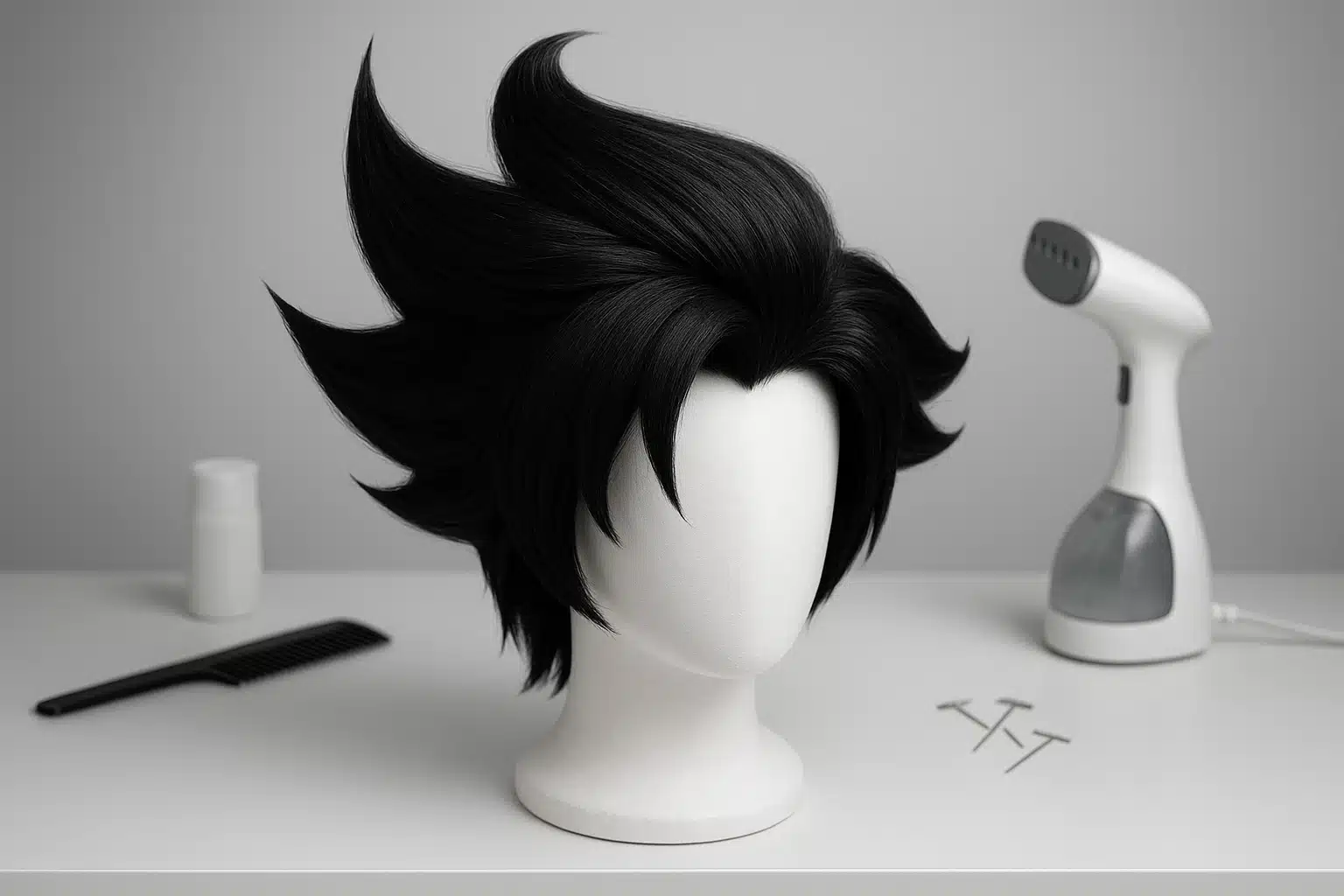
Picture this: You’re ten minutes away from stepping onto the bustling floor of Rose City Comic Con, or perhaps waiting in the wings for a frantic 30-second quick-change during a community theatre production. The lights are hot, the adrenaline is pumping, and suddenly, you realize your character’s hairpiece is slipping. Or worse, you catch a glimpse of yourself in a photo, and the vibrant style you worked so hard on looks like a shiny, melting plastic helmet under the camera flash.
If you are a performer, cosplayer, or stage technician in the Pacific Northwest, finding the right foundation for your character is one of the most frustrating hurdles you’ll face. When finding the best wig stores in Portland, the local landscape can feel completely divided. On one end of the spectrum, you have medical hair-loss boutiques; on the other, seasonal pop-up shops selling disposable $15 novelty pieces that shed the moment you look at them.
So, where do you go when you need heavy-duty theatrical durability, gravity-defying anime volume, or a sweat-proof lace front? Let’s demystify the science of performance hair, debunk some damaging internet styling myths, and explore exactly how to source and engineer your next masterpiece.
The Performance Hair Dilemma: Why Everyday Wigs Won’t Cut It
Most retail directories conflate everyday fashion wigs with performance hairpieces, but they are entirely different mechanical systems.
Cosplay styling prioritizes achieving a highly specific 2D silhouette and surviving close-up flash photography. Cosplayers frequently manipulate the hair into gravity-defying spikes or voluminous shapes that require a dense, heavily wefted base wig.
Theatrical wigs, on the other hand, prioritize 360-degree audience visibility, sweat-proof anchorage, breathability, and rapid turnaround across a multi-week run. A stage actor needs a wig that can securely hide a lavalier microphone cable routed through the lace foundation without warping the delicate mesh.
Trying to use a cheap party wig for either of these demanding environments will end in disaster. High-quality synthetic performance fibers (like Kanekalon, Toyokalon, or specialized hi-temp synthetics) are engineered to withstand stress, styling, and the relentless glare of stage footlights.
The Physics of Synthetic Memory: Stop Melting Your Hairpieces
One of the biggest “aha” moments for beginner wig stylists is realizing that synthetic hair is essentially extruded thermoplastic. It doesn’t behave like human hair.
The most common misconception is that heat alone styles the wig. In reality, heat breaks the hydrogen bonds in the plastic, but cooling is what locks the new shape into place. If you apply a curling iron to a synthetic piece and let the curl drop while it’s still hot, the curl will completely collapse. You must pin the curl and let it cool to room temperature before releasing it.
Furthermore, you need to know your fiber’s temperature ceiling. High-grade classic fibers can handle up to 420°F, while silkier, finer fibers cap out around 350°F. However, the optimal, safe working range is generally between 250°F and 300°F. Overheating will crystallize the plastic, leaving you with permanent, irreversible frizz.
Whether you are trying to cut down long lengths into structural bob wigs for a 1920s flapper character, or adding massive volume to the crown, always test a hidden weft in the back before applying your iron to the front.
Navigating Portland’s Hybrid Sourcing Ecosystem
Because the needs of stage and cosplay are so specific, Portland creators thrive on a hybrid sourcing strategy—pairing the immediacy of local brick-and-mortar shops with the vast catalogs of specialty online brands.
When to Shop Local in PDX
Local Portland shops are invaluable for tactile color matching, emergency supply runs, and professional adjustments.
- Hollywood Costumers (SE Hawthorne): Your go-to depot for backstage adhesives. When you need medical-grade silicone adhesives, spirit gum, or lace-release solvents on the day of your dress rehearsal, this is where you go.
- Wigland (NE Broadway): Excellent for structural adjustments and a wide variety of everyday styles that can be repurposed.
- Local Artisans (e.g., Wig Friends LLC): For hyper-realistic, bespoke theatrical wigs and hand-ventilated facial hair, tapping into Portland’s network of professional theatrical artisans is a game-changer. They understand exactly how to tailor a piece for productions at Portland State, Reed College, or Portland Center Stage.
When to Look Online
If you are hunting for highly specific bases—like a bright neon foundation, a heavily pre-teased anime base, or high-quality blonde human hair wigs that you plan to custom dye—specialty online theatrical and cosplay retailers are your best bet.
Essential Upgrades: Cap Sizing, Lighting, and Texture
The Cap Modification Hack
Have you ever worn a wig at a convention like Kumoricon and ended up with a splitting headache by 2:00 PM? Cap architecture dictates your comfort. Many Asian-market imports standardly measure 21 to 21.5 inches in circumference, whereas Western specialty brands measure 23 to 25 inches.
If a cap is too tight, it will slide backward over your natural hairline. The fix: Cut small, vertical slits in the elastic banding just behind the ear tabs on both sides, and sew in a small bridge of extra elastic. This instantly relieves tension and allows the wig to sit naturally.
Lighting Dynamics and Color Wash-Out
Stage lighting and camera flashes notoriously wash out soft tones. If you’re styling a look for the stage, you often need deeper pigment saturation than you would in natural daylight. A subtle, cool-toned brown wig might turn brassy or disappear entirely under amber stage gels. Similarly, if you are looking for a vibrant ginger wig, opting for a shade slightly richer than your character’s actual reference art will ensure it pops beautifully under harsh lighting.
Banishing the Unnatural Shine
Cheap synthetics look glossy because the extruded plastic is perfectly smooth, reflecting light like a mirror. Dusting your wig with baby powder or dry shampoo to cut the shine is a common amateur tip, but it’s a trap. Powder builds up a cakey residue that turns into paste when you sweat.
High-grade optical realism comes from texture. Techniques like micro-crimping the interior wefts (crimping only the hidden underlayer to create massive, gravity-defying volume while keeping the outer layer smooth) naturally diffuses light and eliminates fake plastic shine without messy powders.
Backstage Engineering: Adhesives and Rigging
A great wig is only as good as its foundation. If you are doing heavy choreography or managing a quick-change, bobby pins aren’t enough.
- Adhesive Science: Spirit gum dries brittle and is easily dissolved by sweat. For high-intensity stage performances, medical silicone adhesives are the gold standard. They move with the skin, resist moisture, and dry with a matte finish. Always use a sweat-barrier skin primer first!
- Mic Rigging: Theatrical wig supervisors will often sew tiny elastic loops or use specialized anchor cables within the lace foundation to seamlessly route lavalier microphone packs.
For complex historical pieces, styling a highly textured kinky human hair wig requires a deep understanding of weight distribution to ensure the hairpiece remains perfectly balanced on the actor’s head.
Wig Care Mythbusting: Put Down the Fabric Softener
If you search for “how to detangle a cosplay wig” online, you will inevitably find tutorials telling you to soak it overnight in liquid fabric softener. Please, don’t do this.
Fabric softeners deposit cationic surfactants designed for porous laundry. When applied to solid plastic wig fibers, they create a greasy coating that attracts dust, ruins the fiber’s heat resistance, and can cause severe skin breakouts along your neck and jawline.
The Professional Method: To restore glide to tangled synthetics, use controlled steam combined with a water-soluble silicone detangling spray. Gently working through the tangles with a wide-tooth comb and a handheld garment steamer will safely relax the crimped plastic without degrading the fiber.
Your Backstage Emergency Kit Checklist
Never walk into a theatre or a convention center without a triage kit. Make sure your bag includes:
- A wide-tooth detangling comb (never a standard hairbrush)
- A canvas wig block (duct-taped at the base so it securely fits onto clamps)
- T-pins for anchoring the lace to the block
- 99% Isopropyl alcohol pads (for cleaning adhesive residue off your skin)
- Medical-grade wig tape
- A travel-sized garment steamer
Frequently Asked Questions (FAQ)
Can I use a regular curling iron on a synthetic wig?
Yes, but only if it is explicitly labeled as heat-friendly or high-temp synthetic. You must keep your iron between 250°F–300°F. Most importantly, you must pin the curl in place until it is completely cool to touch. Heat breaks the bond; cooling sets the shape.
What is the difference between a lace-front and a hard-front wig?
A hard-front features a visible, blunt hem where the hair is sewn to the cap. You generally have to cut bangs into these to hide the edge. A lace-front features hair individually tied (ventilated) onto a sheer mesh that blends seamlessly into your forehead, creating the illusion of a natural hairline.
Why does my wig give me a headache after two hours?
Your wig cap is likely too small, putting excessive tension on your scalp. Asian-market imports typically run smaller (around 21 inches) than Western or custom theatrical brands (23-25 inches). You can modify tight caps by snipping the elastic band behind the ear tabs to relieve the pressure.
How do I stop my wig from shining in flash photography?
Avoid baby powder, which gets cakey with sweat. Instead, opt for high-quality, matte-finish fibers from the start. You can also lightly texturize the under-layers of the hair using a micro-crimper, which naturally diffuses light and adds volume.
Continuing Your Educational Journey
Mastering the art of theatrical and cosplay hair is a continuous journey of trial, error, and technical refinement. The next time you prep for a stage run in Portland or pack your bags for a convention, remember that treating your wig like a structural engineering project—rather than just a hair accessory—will save you from backstage disasters.
Ready to dive deeper into finding the perfect foundation for your next character? Explore high-quality bases, educate yourself on cap construction, and remember: with the right tools and techniques, there’s no character silhouette you can’t bring to life.