You’ve moved beyond the basics. You know the style you want, you have a color in mind, but now you’re focused on the subtle details that separate a good wig from an undetectable one. You’re navigating terms like “bleached knots,” “150% density,” and “Yaki texture,” and you realize that true realism lies in mastering these advanced criteria.
Making the right choice at this stage feels critical because it is. It’s the difference between wearing a wig and owning your look with complete confidence. The demand for this level of realism is soaring; the U.S. hair wig market is projected to grow from $2.79 billion in 2023 to an incredible $6.34 billion by 2029. This growth isn’t just about availability—it’s about the pursuit of perfection.
This guide is your one-on-one consultation. We’ll break down the three pillars of a truly realistic wig—hairline, density, and texture—so you can evaluate your options with the clarity and confidence of an industry expert.
The Undetectable Hairline: Your First Mark of Quality
Nothing screams “wig” more than a harsh, unnatural hairline. It’s the first thing people see, and achieving a seamless transition is non-negotiable for a natural appearance. This is where cap construction and finishing techniques become your primary focus.
Lace Fronts: The Industry Standard for Realism
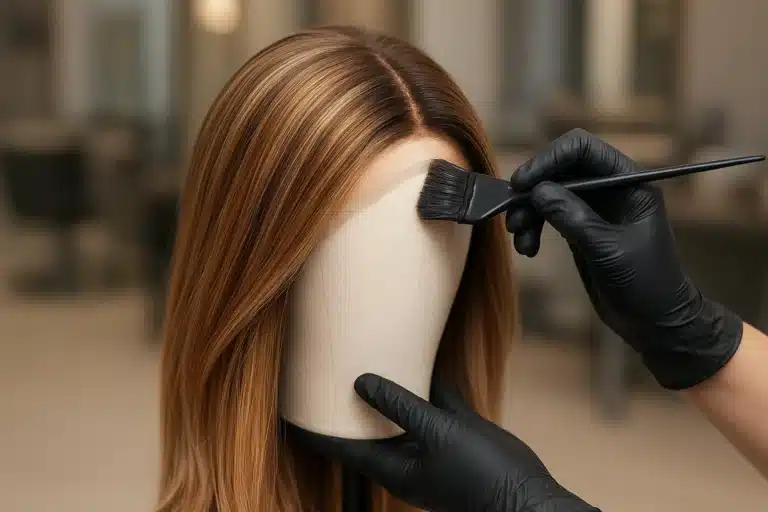
The magic of a great hairline almost always begins with a lace front. This feature involves a panel of sheer mesh at the front of the wig where each hair is individually hand-tied. This meticulous process creates the illusion that the hair is growing directly from your own scalp.
When you’re comparing options, a well-constructed lace frontal wig provides unparalleled versatility. It allows you to style the hair away from your face, whether in a ponytail or a simple tuck behind the ear, without revealing any seams. It’s the foundational element for almost every premium, natural-looking wig on the market today.
Advanced Techniques: Knots and Plucking
Beyond the lace itself, two techniques elevate a hairline from good to great:
- Bleached Knots: Each hand-tied strand creates a tiny knot at the base. On darker hair, these knots can appear as small black dots against the lace. Bleaching them lightens the knot, making it virtually invisible and enhancing the scalp illusion. While this process delivers incredible realism, it’s a delicate balance, as over-bleaching can weaken the hair strand.
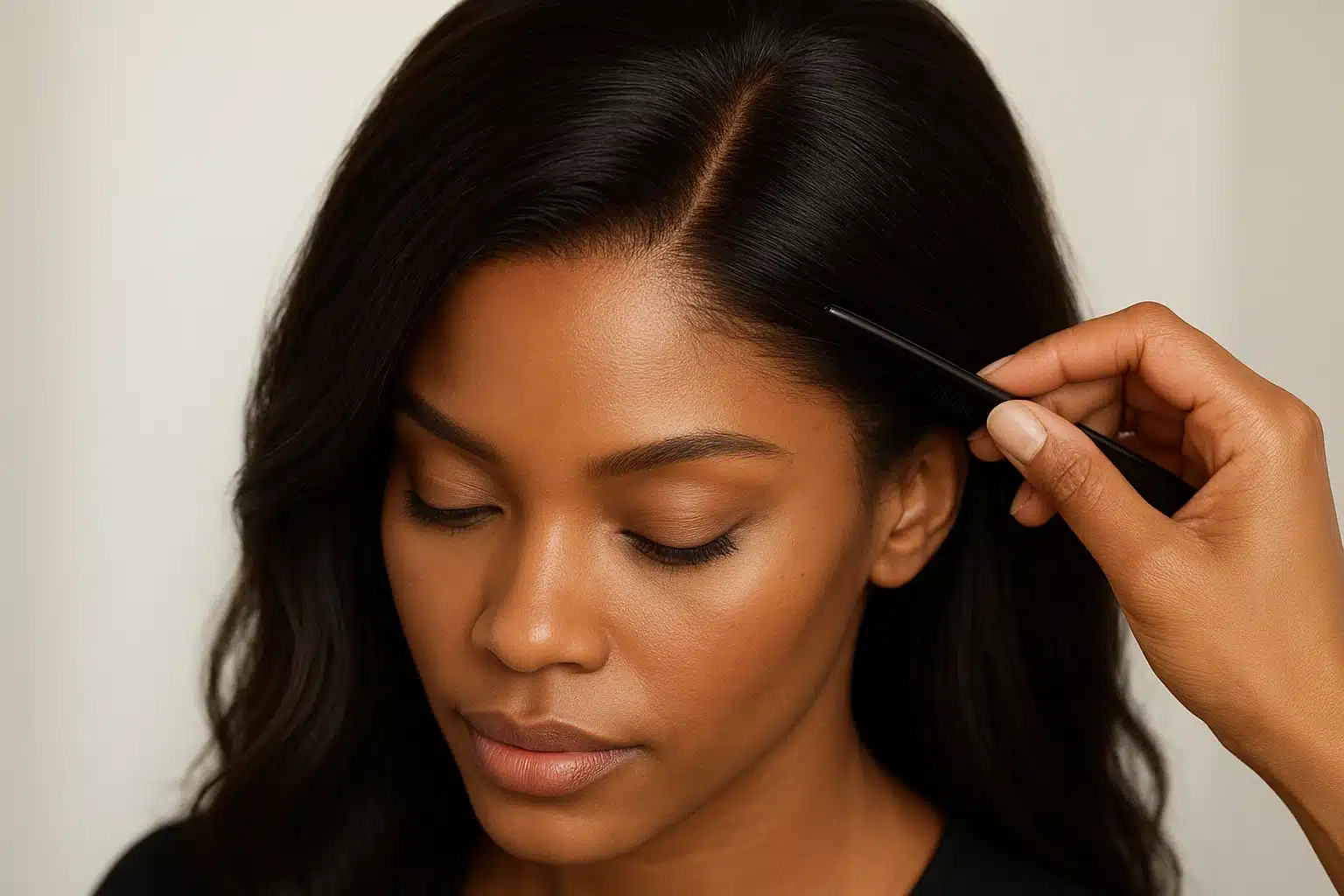
- Pre-Plucked Hairlines: Natural hairlines aren’t perfectly uniform. They have finer, shorter baby hairs and a less dense, slightly irregular shape. A “pre-plucked” wig has had some hairs manually removed along the hairline to mimic this natural variation, eliminating the overly dense, helmet-like look that can be a dead giveaway.
Finding Your Perfect Density: The Secret to Natural Flow
Hair density refers to the amount of hair on the wig cap, typically measured in percentages (e.g., 130%, 150%, 180%). It’s easy to assume that more hair is always better, but the secret to a natural look is choosing a density that aligns with your own hair, age, and facial structure.
Why “More” Isn’t Always “Better”
The most common mistake buyers make is choosing a density that’s too high for their frame. This can overwhelm your features and look unnatural. The goal is to replicate the thickness of natural hair, which is rarely as dense as the most voluminous wigs.
A Practical Density Guide:
- 120-130% (Natural/Medium): This is the sweet spot for most wearers. It mimics the density of the average person’s hair, providing a realistic fullness that’s easy to style and manage. It offers believable movement and won’t feel heavy.
- 150% (Full): If you naturally have thick hair or you’re aiming for a look with more volume and body, 150% density is an excellent choice. It provides noticeable fullness without appearing artificial.
- 180%+ (Extra Full/Glam): This is for a high-impact, glamorous look. It’s perfect for specific styles or for those who want maximum volume. While it can be stunning, it’s the least likely to be mistaken for natural hair unless you already have exceptionally thick hair.
When making your selection, consider your own bio hair. If it was fine, starting with a 120% density wig will feel and look most natural. If it was thick, 150% will better match your expectations.
Understanding Hair Texture: The Feel and Flow of Your Wig
Texture defines the character of the hair—how it feels, how it moves, and how it reflects light. Getting the texture right ensures the wig not only looks like your hair but also behaves like it. When you’re investing in the best human hair wigs, understanding these nuances is key.
Human Hair Textures Explained
- Remy Human Hair: This isn’t a texture, but a mark of quality that’s crucial to your decision. In Remy hair, all the cuticles are kept intact and aligned in the same direction. This simple but vital detail prevents friction, dramatically reducing tangles and giving the hair a smoother, healthier appearance.
- Silky (or Silky Straight): This texture is exceptionally smooth, fine, and straight with a high shine. It has a lot of natural movement and is often associated with fine European or Asian hair types.
- Yaki: This texture is designed to mimic Afro-Caribbean hair that has been chemically relaxed. It’s not bone-straight; instead, it has a subtle micro-kink or texture that gives it more body and a less glossy finish than silky hair. This added texture also helps it hold a curl beautifully.
Choosing the right texture often comes down to personal preference and the look you want to achieve. Silky textures are ideal for sleek, polished styles, while Yaki offers a more voluminous and textured appearance that many find to be a more realistic match for their own hair type.
Your Questions Answered: An Advanced Wig Selection FAQ
What’s the biggest mistake people make when choosing a high-end wig?
Focusing only on the color and cut while overlooking density and hairline construction. An amazing color on a wig with a thick, unnatural hairline will never look right. Prioritize a quality cap and a realistic density first, as color can often be adjusted by a professional.
Are bleached knots always better?
Not necessarily. While they offer superior realism, the bleaching process can slightly reduce the durability of the hair at the root. For wigs that will see heavy daily use, some people prefer stronger, unbleached knots, especially on lighter-colored wigs where the knots are already less visible.
Can I customize a wig’s hairline myself?
While many online tutorials show how to pluck a hairline, it’s a skill that takes practice. It’s very easy to over-pluck and create bald spots that can’t be fixed. For a premium wig, we always recommend seeking professional styling to ensure the best results.
Where can I find expert help to choose the right specifications?
Finding the right wig is a deeply personal process. The best approach is to seek out experienced professionals who understand the nuances of hair loss and high-quality hairpieces. Whether you’re searching for specialized wigs in Boston or need guidance finding premium human hair wigs in Denver, CO, compassionate expertise makes all the difference. An expert can help you match a wig’s technical specifications to your unique needs and lifestyle.
Making Your Confident Choice with Wig Superstore
Choosing a wig is about more than just hair—it’s about restoring a piece of yourself. By understanding the interplay of hairline, density, and texture, you are no longer just a buyer; you are an informed decision-maker, fully in control of your choice.
With nearly two decades of experience, we’ve helped thousands of individuals navigate this journey. We believe in pairing the highest quality products with compassionate, expert guidance. You don’t have to become a technical expert overnight, because we’re here to be that resource for you.
Ready to find a wig that meets your high standards? Explore our curated collection of premium wigs, selected for their superior construction, realistic appearance, and exceptional quality.