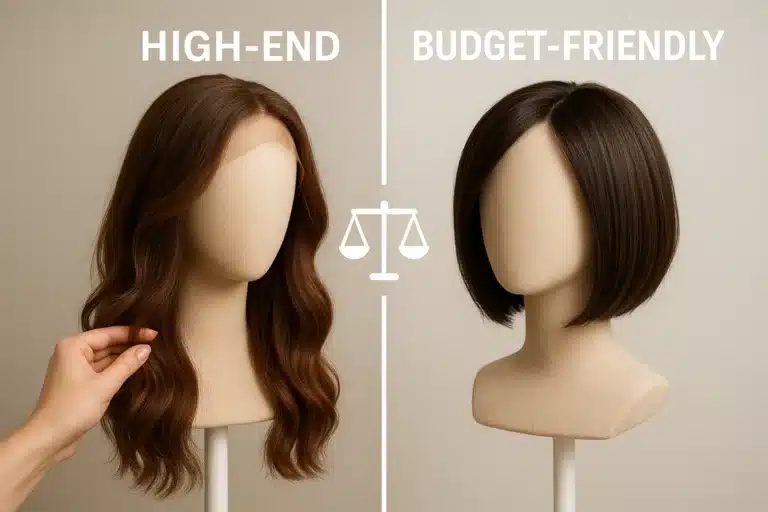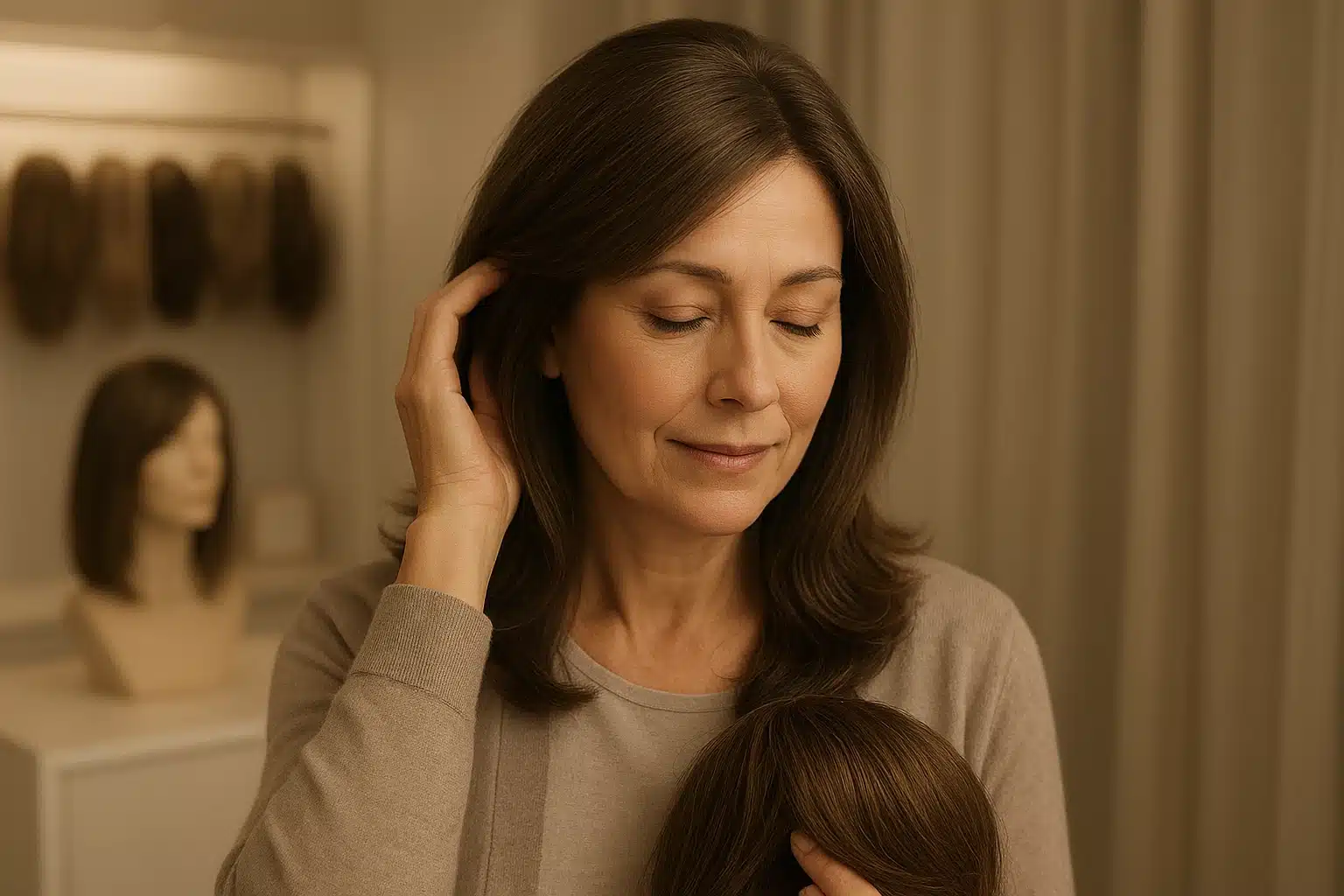
For many, walking into a wig shop is about fashion or reinvention. But for those navigating a medical diagnosis—whether it’s chemotherapy, alopecia, or persistent thinning—it is often a journey toward reclaiming a piece of oneself. In the high-stakes world of medical hair loss, the best wig stores in Los Angeles distinguish themselves not merely by their inventory, but by their ability to provide a sanctuary for healing and self-recovery.
The difference between a standard retail experience and a compassionate medical consultation can be profound. In Los Angeles, a city known for aesthetics, there is a hidden tier of specialists who bridge the gap between medical necessity and confidence. These experts understand that you aren’t just looking for hair; you are looking for a partner in your recovery.
Beyond Aesthetics: The Medical “Cranial Prosthesis”
One of the first “aha moments” many patients experience is a shift in vocabulary. In the medical and insurance world, high-quality wigs for hair loss are often classified as a “Cranial Prosthesis.” This isn’t just jargon; it is a critical distinction that validates your experience. A fashion wig is designed for occasional wear, prioritizing style over long-term ergonomics. A cranial prosthesis, however, is engineered for daily wear on a sensitive, potentially immunocompromised scalp.
When you begin your search, look for retailers who use this terminology. It signals that they understand the medical landscape, including the friction points of hair loss caused by medical treatments or conditions like hair loss covid booster reactions (clinically known as Telogen Effluvium), which have become an increasingly common inquiry in recent years.
The Comfort-First Approach to Selection
If you have ever worn a costume wig, you might remember an itchy, hot scratchiness. For a medical patient, that sensation is unbearable. Post-chemotherapy scalps can be incredibly tender, making the interior construction of the wig—the cap—more important than the hair itself.
When exploring comfortable wigs for sensitive scalp options, prioritize these construction features:
- Monofilament Tops: This material is a sheer mesh that allows your natural skin tone to show through, creating the illusion of natural hair growth at the part line. It is soft and breathable.
- 100% Hand-Tied Caps: Unlike machine-wefted wigs which create ridges, a hand-tied cap moves like a second skin.
- Silk Linings: The ultimate luxury for sensitive skin, placing a layer of silk between the knots of the hair and your scalp.
The gold standard for realism and movement is often a hand tied human hair wig. Because every single strand is knotted individually by hand, the hair moves freely in any direction, mimicking biological hair behavior perfectly. This level of craftsmanship is vital for those who want to avoid the “wiggy” look and feel completely undetectable.
Navigating the LA Landscape: What to Look For
Los Angeles serves as a global hub for hair replacement, drawing clients who search for everything from hair replacement systems Ireland to prime hair Calgary. Why do they look to LA? Because the proximity to world-class medical centers like Cedars-Sinai and City of Hope has fostered a community of wig specialists who operate with the discretion and empathy of healthcare providers.
When evaluating a store, look for these specific “Medical Consultation” features:
- Private Fitting Suites: You should never have to try on a wig in the middle of a sales floor. Top-tier salons offer private rooms where you can remove head coverings with dignity.
- The “Transformation” Focus: Stores like The Wig Fairy in Beverly Hills have built reputations not just on selling products, but on the “reveal”—cutting and styling the wig on your head to customize the hairline and density.
- Consultant Expertise: Look for founders like Amy Gibson of CreatedHair, who markets herself as a “hair loss consultant” first. Establishments led by individuals who have personally experienced alopecia or cancer treatment often provide a deeper level of empathy.
The Financial Aspect: Decoding Insurance
One of the most overlooked aspects of buying a medical wig is the potential for insurance reimbursement. Many patients pay out of pocket simply because they don’t know the system.
In California, legislation like Assembly Bill 2668 has helped pave the way for coverage, but the paperwork must be precise. To maximize your chances of reimbursement:
- Request a Prescription, Not a Note: Ask your oncologist or dermatologist to write a prescription for a “Cranial Prosthesis” (HCPCS code A9282). Do not use the word “wig” on the claim.
- Check Your Policy: specifically for “Durable Medical Equipment” (DME) coverage.
- Keep Your Receipts: Ensure the retailer’s invoice also uses the term “Cranial Prosthesis.”
Practical Wisdom: The “Shake-and-Go” Reality
There is a common misconception that human hair is always the superior choice. While human hair offers the most versatility, it also requires styling—washing, blow-drying, and curling.
For patients undergoing chemotherapy, energy is a finite resource. This is where high-quality synthetic fibers shine. Often called “shake-and-go” hair, these wigs hold their style permanently. You can wash them, air dry them, and they return to their original look without any effort. For many, having a “good hair day” with zero effort is a massive psychological relief during treatment.
Furthermore, utilizing the best wig cap liners can add an extra layer of comfort and security, especially if you are in the transitional stages of hair loss where biological hair is shedding.
Summary: You Are Not Alone
Whether you are looking for a temporary solution during treatment or a long-term answer for alopecia, remember that you are entering a community that is vast, supportive, and incredibly advanced. The technology behind today’s cranial prostheses allows you to live your life—swimming, working, and socializing—without your hair loss defining your narrative.
Frequently Asked Questions
Q: Do I need to shave my head before getting a wig?
A: Not necessarily. Many people transition into wigs while they still have some biological hair. However, once hair loss becomes significant or “patchy,” many find that shaving the remaining hair provides a better fit for the wig and reduces scalp irritation.
Q: Will a wig look natural?
A: Yes, if chosen correctly. A lace front wig (which mimics a natural hairline) combined with a monofilament top is virtually undetectable. In Los Angeles, professional stylists can also thin out and trim the wig to match your natural density, which is key to realism.
Q: Can I sleep in my wig?
A: It is generally recommended to remove your wig at night to let your scalp breathe and to prolong the life of the wig. Friction from pillows can damage the fibers.
Q: How often do I need to wash a medical wig?
A: Less often than you think. For daily wear, washing every 6 to 8 wears is standard. Over-washing can dry out the fibers (especially in human hair wigs) and loosen the knots.
Q: What if I have a reaction to the wig materials?A: This is rare with high-quality medical wigs, but if you have a history of allergies, look for “hypoallergenic” caps or 100% hand-tied bases which use softer materials. A bamboo or cotton wig liner can also serve as a protective barrier.