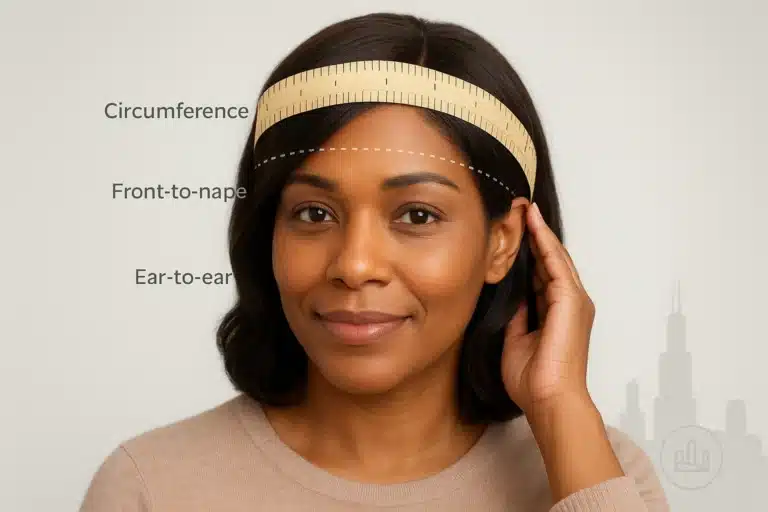
For many individuals, the journey into the world of wigs begins not with a desire for a new style, but out of necessity due to medical hair loss. Whether navigating chemotherapy, alopecia, or other medical conditions, the scalp often becomes significantly more sensitive during this time. The nerve endings, previously protected by hair, are suddenly exposed to the elements and friction. The last thing you want is a solution that causes more physical irritation when you are already navigating an emotional transition.
Finding a wig that feels as good as it looks requires moving beyond basic aesthetics and understanding the “mechanics” of comfort. This is a personalized process. While online research is a great start, the role of professional consultation in wig selection is to bridge the gap between general information and your unique physical needs. A consultation helps identify specific sensitivities and matches them with the correct cap constructions and materials, ensuring your hairpiece feels like a natural extension of yourself rather than an uncomfortable accessory.
Understanding Scalp Sensitivity
Before diving into wig features, it is helpful to understand why the scalp reacts the way it does. When hair loss occurs rapidly, such as with chemotherapy, the scalp can become tender, dry, and prone to inflammation. With alopecia areata or totalis, the lack of hair follicles means there is no barrier against the materials of a wig cap.
A sensitive scalp isn’t just “dry skin”; it is a medical reality that requires specific care. Choosing the wrong wig can lead to tension headaches, contact dermatitis, or constant itching—issues that are entirely avoidable with the right knowledge. The goal is to find a balance where the wig is secure enough to stay in place but gentle enough to feel weightless.
The Anatomy of Comfort: Cap Constructions
The most critical factor in wig comfort is the cap construction—the internal structure that sits directly against your skin. For sensitive scalps, not all caps are created equal.
Double Monofilament Tops
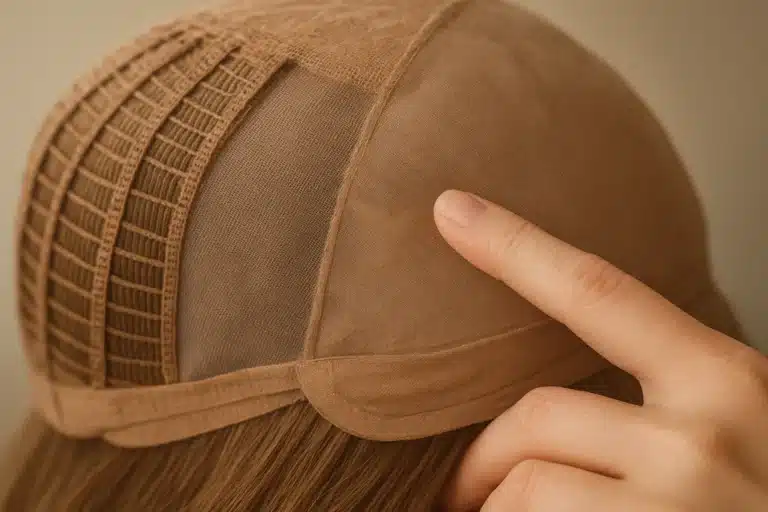
You may have heard of monofilament tops, where hair is tied individually to a sheer mesh to mimic natural growth. For sensitive scalps, double monofilament is the gold standard. This construction adds a second layer of ultra-soft silk or fine mesh on the underside of the cap. This extra layer protects the skin from the hand-tying knots, providing a smooth, silky surface that eliminates scratchiness.
100% Hand-Tied Caps
Mass-produced wigs often use “wefting”—rows of hair sewn onto strips of fabric. While durable, these wefts can create ridges that press against a tender scalp.In contrast, hand tied wigs are crafted by tying each hair individually to a soft, stretchable mesh base. This technique creates the lightest, most comfortable cap available because there are no wefts to cause friction. The material moves with your head, offering a custom-like fit that is ideal for total hair loss.
Lace Fronts: A Note on Sensitivity
Lace fronts are popular for their natural-looking hairline, but the lace material can sometimes be abrasive if it is not high quality. If you have extreme sensitivity on your forehead, look for “welded” lace or Swiss lace, which are finer and softer. Alternatively, during a consultation, you might explore wigs with a velvet-lined front rim, which provides a barrier between the lace and your skin.
Material Matters: Fibers and Liners
The evolution of wig craftsmanship has brought us hypoallergenic fibers and cap materials designed specifically for medical hair loss. Modern synthetic fibers are lighter than ever, reducing the weight on the scalp, which contributes to overall comfort.
However, if you find that even the softest cap causes irritation, consider the barrier method. Many wig wearers utilize wig liners made from bamboo or silk. Bamboo is particularly effective because it is naturally antibacterial, moisture-wicking, and cooler than cotton. A liner acts as a protective sock for your head, absorbing sweat and preventing the wig cap from rubbing directly against the skin.
3 Common Myths About Wigs and Sensitive Scalps
If you are new to wigs, you might be harboring fears based on outdated information. Let’s clear up three common misconceptions.
Myth 1: “Wigs will prevent my natural hair from growing back.”Fact: High-quality wigs are breathable. They do not suffocate the follicle or inhibit growth. In fact, protecting the scalp from sun and environmental damage with a wig can sometimes aid in the health of the skin as hair returns.
Myth 2: “All wigs are hot and itchy.”Fact: This is largely a relic of the past (or the result of low-quality “costume” wigs). Medical-grade wigs utilize open-wefting for airflow and cooling materials. If a wig is itchy, it is usually a sign of incorrect fit or poor cap construction, not an inherent flaw of wigs in general.
Myth 3: “I need to glue my wig down, which will hurt.”Fact: For daily wear, glues and tapes are rarely necessary if the wig fits correctly. Adjustable velvet tabs at the nape and ear tabs allow you to secure the wig comfortably without adhesives. For added security without chemicals, a velvet wig grip band can be worn underneath.
Maintaining Scalp Health and Wig Freshness
Comfort isn’t just about the purchase; it’s about maintenance. Residue from sweat, oils, and skin cells can build up on the inside of the wig cap, turning a comfortable wig into an irritant over time.
Develop a routine that focuses on hygiene:
- Wash the Wig Cap: Even if the hair fiber isn’t dirty, the inside of the cap touches your skin daily. Follow manufacturer instructions to gently cleanse the inside of the cap.
- Scalp Care: Treat your scalp like the delicate skin on your face. Use gentle, fragrance-free cleansers and moisturizers. A hydrated scalp is less prone to irritation than a dry, flaky one.
- Use the Right Products: Avoid standard hairsprays or harsh detergents. Using the best wig care products formulated specifically for your wig type ensures that the fibers remain soft and the cap materials don’t degrade or become rough.
Frequently Asked Questions
Q: What is a “Cranial Prosthesis”?
A: This is the medical term for a wig used for medical hair loss. Knowing this term is vital because if you apply for insurance reimbursement, many providers will only accept claims for a “Cranial Prosthesis,” not a “wig.”
Q: How do I know if a wig fits correctly?
A: A wig should feel snug but not tight. If it slides when you shake your head, it’s too loose. If it causes a headache or leaves deep red marks after an hour, it’s too tight. Most wigs have adjustable straps to fine-tune this fit.
Q: Can I sleep in my wig?
A: It is generally not recommended, especially for those with sensitive scalps. Sleeping in a wig increases friction against the hair and the scalp, shortening the lifespan of the wig and potentially irritating your skin.
Taking the Next Step
Finding a wig when you have a sensitive scalp is about more than just looking in the mirror and liking the style. It is about feeling safe, secure, and physically comfortable in your day-to-day life. By prioritizing cap construction, choosing the right materials, and maintaining a healthy scalp routine, you can find a hair solution that restores not just your look, but your confidence as well.
As you continue your research, remember that your comfort is non-negotiable. Take your time, ask questions about cap interiors, and prioritize how the wig feels just as much as how it looks.