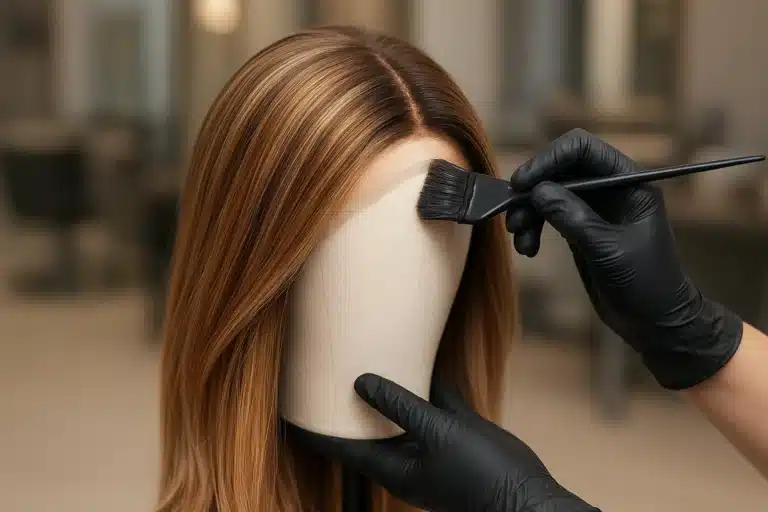
Walking into a wig consultation for the first time can feel like a complex mix of emotions. There is often excitement about the possibility of restoring your look, mingled with anxiety about the unknown. Will it look natural? Will it be comfortable? Will I feel like myself? These questions are entirely normal. In fact, simply showing up is a brave and significant step in your journey toward feeling confident and beautiful again.
The key to transforming those nerves into empowerment is preparation. You aren’t just walking in to buy a product; you are entering a partnership to find a solution that fits your life. Understanding the role of professional consultation in wig selection ensures that you remain in the driver’s seat of this experience. By knowing what to ask and what to look for, you turn a standard appointment into a personalized discovery session that addresses your specific needs, lifestyle, and aesthetic goals.
Setting the Stage: What to Expect
Before diving into what you should ask, it helps to demystify what actually happens during these sessions. A professional consultation is rarely about “hard selling.” Instead, think of it as a discovery phase split into two parts: The Interview and The Fitting.
First, your specialist will want to know you. They aren’t just looking at your head shape; they need to understand your daily routine, your energy levels for styling, and your budget. Following this, the physical assessment involves measuring your head circumference and ear-to-ear distance to determine your precise cap size—a step that is crucial because comfort is just as important as style. Finally, you will move to the selection phase, where you can touch, feel, and try on different cap constructions and fiber types.
Your Consultation “Prep Kit”: What to Bring
To get the most out of the expert’s time, arrive with a “toolkit” of information. This helps the specialist narrow down thousands of options to the few that are perfect for you.
1. The “You at Your Best” Photos
Bring a photo of yourself from a time when you loved your hair. This gives the specialist a baseline for your natural density, texture, and style. If you are looking to replicate your bio hair, this is non-negotiable.
2. Inspiration Photos
If you want to try something new, bring pictures from magazines or Pinterest. However, be prepared for a candid conversation about whether those styles will suit your face shape or require more maintenance than you wish to perform.
3. A Hair Swatch (If Available)
Lighting in photos can be deceptive. If you are trying to match your biological hair color, bringing a small lock of hair or a physical swatch allows for a much more accurate color match than a digital image.
4. Your “Lifestyle Audit”
This is the most overlooked element of preparation. Be ready to discuss:
- Activity Level: Do you work out daily? You may need a lighter, more breathable cap.
- Climate: Do you live in a humid area? Synthetic fibers often hold their style better in humidity than human hair.
- Time Budget: How many minutes are you willing to spend on hair in the morning? Be honest—if you want “shake and go,” a high-maintenance human hair wig might frustrate you.
The Essential Questions to Ask (And Why)
Many first-time buyers focus solely on color and length. However, the difference between a wig that sits in a box and one you love wearing lies in the technical details. Here is what you need to ask.
Category 1: The Hair Fiber
Ask: “What are the maintenance differences between the synthetic options and the human hair options you are showing me?”
Why it matters: Human hair offers the most natural movement and versatility, but it requires styling after every wash, just like biological hair. Premium synthetic options retain their style (memory) even after washing but cannot always be heat-styled. Understanding the “workload” of the fiber is critical to long-term satisfaction.
Category 2: Cap Construction
Ask: “Can you show me the difference between a lace front and a monofilament top?”
Why it matters: This determines how natural the wig looks where the hair meets your scalp.
- Lace Front: Creates a seamless hairline, allowing you to pull hair off your face.
- Monofilament: Allows the hair to part in any direction and looks like it is growing directly from your scalp.Asking to see the inside of the cap helps you understand why price points vary and which level of realism you actually need.
Category 3: Longevity and Care
Ask: “What is the realistic lifespan of this piece, and what products MUST I use to maintain the warranty?”
Why it matters: Wigs are an investment. A synthetic piece might last 4-6 months with daily wear, while a high-quality human hair wig can last a year or more with proper care. Furthermore, using generic drugstore shampoos on high-end wigs can strip the fibers of their coating. Knowing the true cost of ownership prevents surprises down the road.
The “Insider” Moves: Expert Tips for Success
To truly shop like a pro, use these two insider tips during your consultation:
The Natural Light Test
Salon lighting is designed to be flattering, but it can sometimes mask color nuances. Ask your specialist if you can take a hand mirror near a window or step outside briefly. You want to ensure the color complements your skin tone in daylight, not just under warm showroom bulbs.
The “Shake” Test
When the specialist hands you a wig, watch how it moves. High-quality hair (whether synthetic or human) should have independent movement—meaning the strands shouldn’t move in one solid “clump.” If the hair is stiff, it will look unnatural when you turn your head.
FAQ: Common Concerns for Beginners
Q: Will the specialist be offended if I don’t buy anything?
A: Absolutely not. A reputable consultant understands that this is a major emotional and financial decision. They are there to educate you, not pressure you. If you feel pressured, it’s a sign to look elsewhere.
Q: Can I bring a friend?
A: Yes, and you should! A trusted friend or family member can provide honest feedback and emotional support. They can also take notes for you, as it is easy to forget details when you are overwhelmed.
Q: What if I have a sensitive scalp?
A: Mention this immediately. There are specific “medical grade” caps and velvet-lined options designed specifically for total hair loss or sensitive scalps that prevent itching and irritation.
Taking the Next Step
Your first consultation is the bridge between uncertainty and confidence. By preparing your questions and understanding your needs, you are ensuring that the wig you eventually choose isn’t just a hairpiece, but a seamless extension of yourself.
Remember, the goal isn’t just to cover hair loss—it’s to help you feel like you again. Take your time, ask the hard questions, and trust that the right solution is out there waiting for you.