Imagine buying the most luxurious, tailored coat you’ve ever seen. It looks stunning on the outside, but if the lining is scratchy, stiff, or trapping heat, you’ll never feel truly at ease wearing it. The same logic applies to wearing a wig. While much of the excitement focuses on the style and color of the hair itself, the secret to longevity and confidence often lies in what’s underneath.
For many first-time wearers, the concept of a wig cap liner is an afterthought—or completely unknown. Yet, it is the barrier between your delicate scalp and the wig’s construction. For new wearers, optimizing wig comfort is the most critical step, and it begins with choosing the right material for that barrier. Whether you are navigating hair loss due to chemotherapy, alopecia, or simply exploring new styles, understanding the material science of liners can transform your experience from “bearable” to “beautifully comfortable.”
The Great Confusion: Wig Caps vs. Wig Liners
Before diving into materials, let’s clear up a common point of confusion. In the hair industry, you will often hear “cap” and “liner” used interchangeably, but there is a distinct difference in function.
- ** The Wig Cap (Construction):** This is the chassis of the wig itself—the material the hair is hand-tied or wefted onto. It is a permanent part of the wig.
- ** The Wig Liner (Accessory):** This is the separate layer you wear directly on your head, underneath the wig. Think of it like wearing high-quality socks with your shoes; it prevents friction, absorbs moisture, and provides a snug fit.
While a liner isn’t strictly mandatory, it is highly recommended for hygiene and comfort. It acts as a shield, protecting your wig from scalp oils and protecting your scalp from potential irritation caused by the wig’s knots or wefts.
Material Science: Choosing the Right Fabric for Your Scalp
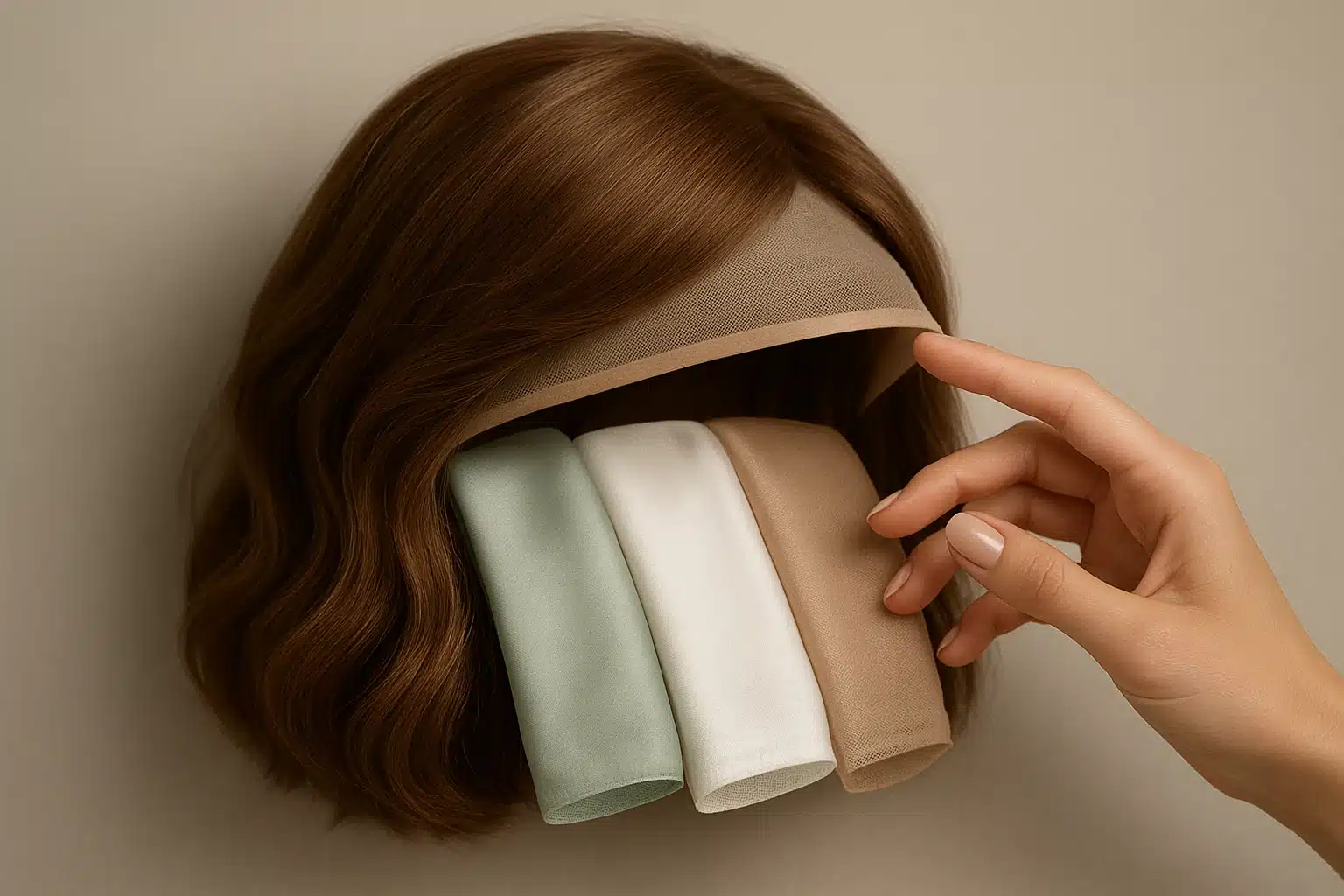
Not all liners are created equal. The “standard” nylon stocking cap you might find at a beauty supply store serves a purpose, but it isn’t always the best choice for sensitive skin or all-day wear. Let’s break down the science behind the four most common materials so you can match the fabric to your specific physiology.
1. Bamboo: The Thermoregulator
Bamboo has rapidly become the gold standard for medical hair loss scenarios, and for good reason. The “science of comfort” regarding bamboo lies in its fiber structure.
- Moisture Wicking: Bamboo fibers are naturally porous, meaning they pull sweat away from the skin and allow it to evaporate quickly. If you run hot or experience hot flashes, bamboo acts as a cooling agent.
- Antibacterial Properties: Bamboo contains a natural bio-agent called “bamboo kun,” which resists the growth of bacteria. This helps keep the scalp healthy and prevents odors after long days of wear.
- Texture: It feels incredibly soft, often compared to cashmere or silk, making it ideal for scalps that are tender from medical treatments.
2. Cotton: The Hypoallergenic Classic
Cotton is the breathable workhorse of fabrics. It is familiar, soft, and generally safe for almost everyone.
- Breathability: Cotton allows air to circulate freely to the scalp, preventing that “stifling” feeling.
- Security: Cotton has a bit more texture (grip) than bamboo or silk. If you are worried about your wig shifting, a cotton liner can provide a subtle friction that helps keep things in place without being abrasive.
- Note on Moisture: Unlike bamboo, which wicks moisture away, cotton absorbs it. If you sweat heavily, a cotton cap can eventually feel damp, so it is best suited for moderate climates or less active days.
3. Silk: The Friction Fighter
Silk is often the preferred choice for those who still have biological hair underneath their wig and want to protect it.
- Friction Reduction: Hair breakage often occurs due to friction. Silk provides a frictionless surface, allowing your natural hair to glide rather than snag. This is crucial for protecting fragile “baby hairs” or regrowing hair.
- Hydration Retention: Cotton and bamboo can absorb moisture from your hair strands, potentially drying them out. Silk does not absorb natural oils, helping your biological hair maintain its hydration.
4. Nylon and Mesh: The Structural Standard
These are the sheer, stocking-like caps most people are familiar with.
- Volume Control: If you have thick biological hair, a tight nylon cap is excellent for flattening it down to create a smooth surface for the wig.
- Invisibility: Because they are so thin, they are virtually undetectable under the wig. However, they offer the least amount of protection for sensitive scalps and can sometimes trap heat.
Matching the Liner to the Need
Now that you understand the materials, how do you choose? It comes down to your primary “pain point.” Here is a quick guide to help you identify your best match.
If You Have a Sensitive Scalp (Chemo/Alopecia)
Winner: BambooWhen hair follicles are shedding or the scalp is inflamed due to treatment, even the slightest texture can feel like sandpaper. Bamboo’s smooth, round fibers prevent irritation. It creates a cooling, soothing barrier that feels therapeutic rather than just functional.
If You Are Worried About Slipping
Winner: Cotton or Velvet-Grip HybridsWhile tape and adhesives are options, many wearers prefer a mechanical solution. Cotton provides natural drag. For even more security, look for “wig grip” bands—often made of crushed velvet—which use the direction of the fabric pile to lock the wig in place without tension.
If You Want to Protect Regrowing Hair
Winner: SilkThe transition phase—where hair is growing back but you are still wearing a wig—is delicate. You want to avoid breakage at all costs. A silk liner ensures that your new growth isn’t being rubbed away by the movement of the wig cap throughout the day.
If You Live in a Humid Climate
Winner: Mesh or BambooIf you need maximum airflow, a wide-grid mesh cap allows the most air to reach the scalp. However, if you are sweating profusely, bamboo is superior because it actively manages the moisture rather than just letting it sit on your skin.
For more insights on maintaining your look and keeping your scalp healthy, you can explore our library of hair tips, which covers everything from daily maintenance to long-term care.
How to Wear Your Liner Correctly
Even the best liner won’t work if it isn’t worn correctly. Here is a simple routine to ensure all-day comfort:
- Prep the Hair: If you have biological hair, pin it flat or wrap it. If you have little to no hair, ensure your scalp is clean and dry.
- Align the Front: Place the liner at your natural hairline. Be careful not to pull it down over your ears; it should sit just behind or above them to prevent pressure headaches.
- Tuck and Smooth: Ensure there are no wrinkles or bunches of fabric, as these can create pressure points under the wig.
- The Wig Placement: Put your wig on from front to back. Once the wig is on, reach under the back of the wig to ensure the liner hasn’t rolled up toward the crown.
Frequently Asked Questions
Q: Do I really need a liner if my wig claims to be “capless”?A: “Capless” usually refers to a wefted construction that allows for airflow, but the material can still be scratchy against a bare scalp. A liner is recommended for hygiene (washing a liner is easier than washing a wig) and skin protection.
Q: Will a silk liner make my wig slip off?
A: Silk is slippery by nature. If you choose a silk liner, we recommend using one that has a velvet “grip” band built into the front, or using a separate wig grip accessory to ensure security.
Q: How often should I wash my wig liner?
A: Because the liner sits directly against your skin, absorbing oils and sweat, it should be washed after every wear—just like socks or underwear. We recommend having 3-4 liners in rotation so you always have a fresh one available.
Q: Can I wear a liner if I have a full head of hair?
A: Absolutely. In fact, it’s beneficial. It helps keep your biological hair contained and flat, preventing the wig from looking “bulky” or uneven.
Conclusion
Your journey with wigs should be one of confidence and joy, not constant adjustment or itching. By shifting your focus from just the wig to the foundation of the wig, you take control of your comfort. Whether you choose the cooling embrace of bamboo, the soft familiarity of cotton, or the protective glide of silk, remember that the “best” liner is simply the one that makes you forget you’re wearing a wig at all.
Start with one material that sounds like it fits your lifestyle, but don’t be afraid to experiment. Your scalp health is unique, and finding that perfect match is the first step toward feeling truly like yourself again.