Imagine finally finding the perfect style—the volume is right, the color is stunning, and the silhouette frames your face beautifully. But an hour into wearing it, all you can think about is the itch. If you have experienced this, you are not alone. For many wig wearers, scalp discomfort is the silent frustration that turns a confidence-boosting accessory into a test of endurance.
However, discomfort does not have to be the price of beauty. The secret to a calm, comfortable wearing experience isn’t just about the wig itself; it is about treating your scalp with the same level of care you give your complexion. A truly seamless experience relies on optimizing wig comfort: liners, caps & scalp health to ensure your foundation is as flawless as the hair itself. By shifting your focus from reactive scratching to proactive scalp care, you can transform your relationship with your wig.
The Foundation: Understanding the “Why” Behind the Itch
Before you can fix the problem, you have to understand its origin. Many beginners assume that “wigs are just itchy,” but irritation is actually a signal from your body that something specific is wrong. To simplify this, we categorize scalp discomfort into the “Trifecta of Irritation.” Identifying which category your issue falls into is the first “aha moment” in your journey toward comfort.
- Mechanical Irritation: This is physical stress caused by friction, pressure, or tension. If your wig cap is too tight, or if the material is rubbing against a sensitive area of your hairline, this is mechanical.
- Chemical Irritation: This occurs when your scalp reacts to substances. This could be residue from laundry detergent used on a wig cap, the chemical composition of a wig adhesive, or even product buildup from your own hair.
- Environmental Irritation: This involves the micro-climate underneath the wig. Trapped body heat, sweat, and moisture create a “greenhouse effect” that can soften the skin, making it more prone to bacterial growth and rashes.
The Building Blocks: A Diagnostic Guide to a Calm Scalp
Once you understand the broad categories, we can drill down into the specific culprits. Use this diagnostic approach to pinpoint exactly what is disrupting your comfort.
Culprit #1: Trapped Moisture & Heat
If your itching intensifies after a few hours of wear or during warm weather, the cause is likely environmental. The scalp naturally releases heat, but dense wig caps can trap it. This moisture softens the protective layer of your skin (a process called maceration), making it highly susceptible to irritation.
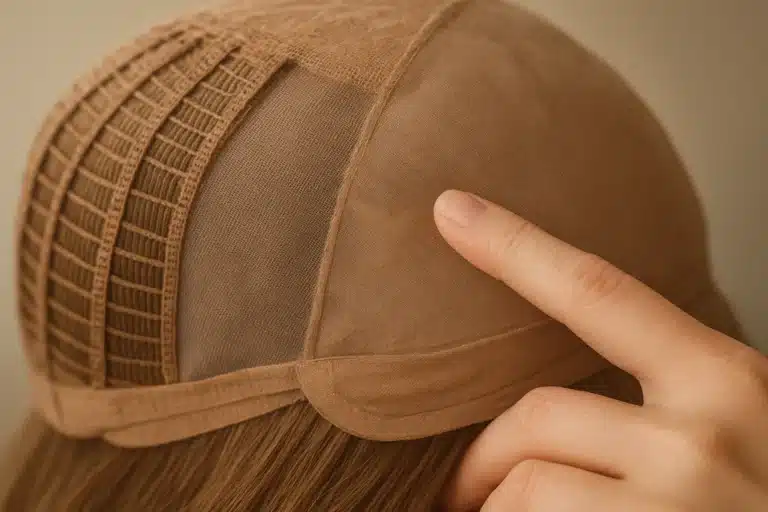
The Fix: Prioritize breathability. For daily wearers, hand tied wigs are often the gold standard. Because each strand is tied individually into the cap, the construction allows for significant airflow compared to traditional machine-wefted caps, keeping the scalp cooler and drier.
Culprit #2: Friction & Pressure (The Fit Factor)
Does your scalp feel tender to the touch, or do you notice redness along your hairline when you remove your wig? This is mechanical irritation. A wig that is even slightly too small will constrict blood flow, while one that is too loose will shift and rub. Over time, constant friction can lead to traction alopecia—gradual hair loss caused by pulling.
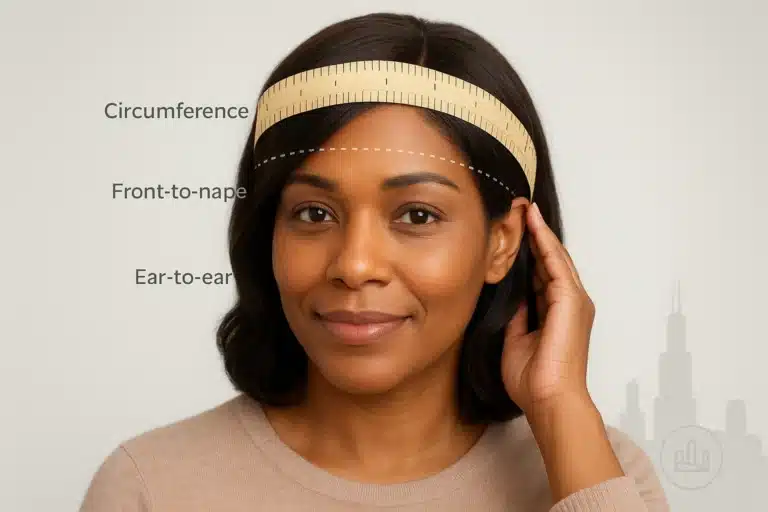
The Fix: Ensure you have measured your head circumference correctly. If the fit is correct but the material feels scratchy, consider wearing a bamboo or cotton wig liner. These act as a soft barrier between the cap and your skin, absorbing friction.
Culprit #3: Product Buildup and Hygiene
Sometimes, the call is coming from inside the house. If you are washing your natural hair or your wig cap with harsh detergents and not rinsing thoroughly, chemical residue will sit on your scalp all day.
The Fix: reassess your wig maintenance routine. Ensure you are using residue-free cleansers for both your scalp and your wig accessories.
Mastery: Your Complete Scalp Care System
The biggest mistake most wig wearers make is treating the scalp only when it itches. To truly prevent irritation, you need a holistic system that cares for your scalp before, during, and after wear.
The Pre-Wig Prep Routine
Think of this as “priming” your skin. Just as you wouldn’t put makeup on a dirty face, you shouldn’t put a wig on an unprepared scalp.
- Hydrate: Apply a lightweight, non-comedogenic scalp serum or oil. Ingredients like aloe vera, tea tree, or jojoba mimic the skin’s natural oils without clogging pores.
- Secure: If you have biological hair, ensure it is pinned flat without excessive tension. Tight braids or cornrows can pull on the follicle, creating soreness.
The Post-Wig Recovery Routine
After you remove your wig, your scalp needs to breathe and recover.
- Cleanse Gently: If you have been sweating, a gentle rinse is necessary. Use a sulfate-free cleanser. While you might look for the best shampoo for hair extensions to protect your wig fibers, your scalp needs equally gentle care—look for pH-balanced formulas that soothe inflammation.
- Massage: Spend two minutes massaging your scalp with your fingertips. This restores blood flow that may have been restricted by the wig cap and helps relieve tension headaches.
Action: Your Toolkit for Ultimate Comfort
Equipping yourself with the right tools can make the difference between enduring your wig and enjoying it.
- Wig Liners: As mentioned, these are essential for sensitive skin. Bamboo liners are particularly effective because they are hypoallergenic and wick moisture away from the skin better than cotton.
- Scalp Protectors: These are spray-on or roll-on barriers that create a microscopic film on your skin, preventing direct contact with adhesives or cap materials.
- Protection for Bio Hair: If you are transitioning and using wigs to protect your natural hair, ensure you aren’t accidentally causing damage. Just as you would research the least damaging hair extensions, apply that same logic to how you secure your hair under a wig. Avoid metal clips and tight elastics.
Frequently Asked Questions
Why does my scalp itch even when I wash it regularly?
It could be dryness. Paradoxically, washing too often can strip the scalp of natural oils, leading to dry, itchy skin. Try reducing wash frequency or using a dedicated scalp moisturizer. Alternatively, it could be a sensitivity to the laundry detergent used on your wig cap.
Can I use baby powder to stop the sweat?
While baby powder absorbs moisture, it can clump up and create a paste when mixed with sweat, potentially blocking pores and causing folliculitis. It is better to use a liner to wick sweat away or a scalp protector spray designed for sport/active wear.
Is human hair less irritating than synthetic hair?
Not necessarily. While human hair moves more naturally, the irritation usually comes from the cap construction rather than the fiber itself. A rough cap will irritate you regardless of whether the hair attached to it is synthetic or human. Focus on the cap quality (like monofilament or hand-tied tops) for comfort.
How do I know if I’m allergic to my wig?
True allergies to wig fibers are rare. It is more common to be allergic to the dyes used in the wig, the latex in a wig cap, or the adhesive used to secure it. If you have a specific rash where the material touches your skin, try switching to a medical-grade silicone grip or a liner to see if the symptoms subside.
***
Comfort is a journey, and listening to your body is the first step. By understanding the “why” behind the irritation and implementing a consistent care routine, you can ensure that the only thing you feel when wearing your wig is beautiful.