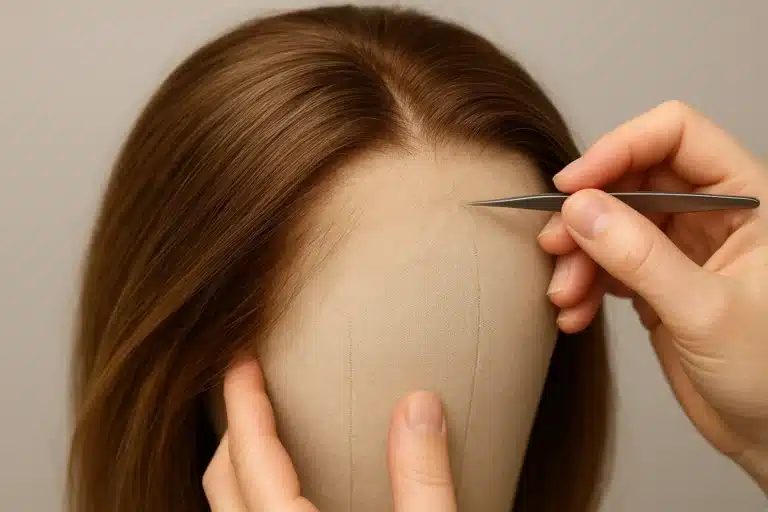
Imagine finally finding a wig that looks exactly like your biological hair used to. The color is perfect, the style is flattering, and the hairline is invisible. But within twenty minutes of putting it on, you feel a prickly heat rising. By hour two, the itch is unbearable. You aren’t thinking about how beautiful you look anymore; you’re only thinking about how fast you can take it off.
For those navigating chemotherapy, severe alopecia, or chemical sensitivities, a wig is more than an aesthetic accessory—it is a prosthetic that sits on incredibly vulnerable skin. Many first-time buyers realize too late that not all wig stores are created equal when they experience their first allergic reaction or friction burn. Finding your perfect match in a specialized market is critical for those with medical-grade sensitivities who require hypoallergenic materials rather than just standard fashion caps.
Understanding the Vulnerable Scalp
To choose the right wig, we must first shift our focus from “aesthetic realism” (how it looks) to “dermatological safety” (how it feels). A scalp undergoing medical treatment is often devoid of the natural oils and protective barriers that usually exist.
Chemotherapy can leave the scalp dry, thin, and prone to neuropathy—a condition where nerves send false signals of pain or tingling. Similarly, those with alopecia universalis often lack the tiny hairs that usually act as a buffer between fabric and skin.
When you place a standard fashion wig on this type of ecosystem, you risk “contact dermatitis.” This isn’t always a true allergy; often, it is a mechanical reaction to rough materials like standard lace or open wefting rubbing against raw skin. This is why seeking out hypoallergenic wigs designed specifically for medical hair loss is a necessity, not a luxury.
The Anatomy of a Safe Wig: Cap Constructions Explained
When browsing wigs, you will see terms like “lace front” and “monofilament.” While these features contribute to a natural look, they play an even bigger role in comfort. However, there is a common misconception that “breathable” always equals “soft.” That is not always the case.
Here is how to analyze wig cap construction through the lens of sensitivity:
1. Double Monofilament: The “Soft Barrier”
A standard monofilament top features sheer mesh that looks like skin, allowing for multi-directional parting. However, the knots where the hair is tied can still be felt on the underside.
A Double Monofilament top adds a second layer of glass-silk or extra-soft mesh on the inside of the cap. This creates a smooth barrier between the knots and your scalp. For anyone with high sensitivity, this is the “gold standard” for top-of-head comfort.
2. 100% Hand-Tied Caps: Eliminating Friction
In standard wigs, rows of hair (wefts) are sewn onto strips of fabric. These wefts create ridges that can dig into a sensitive scalp after hours of wear.
In a 100% hand-tied cap, every single hair is tied by hand into a soft, stretchable mesh base. This eliminates the “friction seams” found in wefted wigs. The cap moves like a second skin, reducing the mechanical rubbing that causes irritation.
3. Swiss Lace vs. HD Lace
If you require a lace front for a natural hairline, pay attention to the material. Swiss Lace is generally softer and more durable, making it a better choice for sensitive skin than the more rigid materials found in budget wigs. While “HD Lace” is thinner and more invisible, it can sometimes be more fragile and slightly texture-rich, which some hyper-sensitive users find irritating.
Material Science: Internal Linings and Grips
Beyond the knotting technique, the materials that physically touch your skin determine your comfort level for the first eight hours of wear.
The Role of Medical-Grade Silicone
For those with total hair loss, security is a major anxiety. Old-school methods involved scratchy clips or tapes. Modern solutions utilize suction silicone wig cap elements.Patches of medical-grade silicone are integrated into the ear tabs and nape (or throughout the cap). When these warm up to your body temperature, they create a gentle, non-slip grip against the skin without the need for adhesives.
Bamboo and Silk Liners
If you have fallen in love with a wig that feels slightly scratchy, you don’t always have to replace it. Many wearers utilize liners made from hypoallergenic breathable wig materials like bamboo viscose. Bamboo is naturally antibacterial, moisture-wicking, and cooler than cotton, making it an excellent buffer for sensitive scalps.
The Hidden Agitators: Adhesives and Chemicals
Sometimes, the wig isn’t the culprit—it’s what you use to keep it on.
If you are using bonding agents, you must be vigilant about ingredients. Latex is a common allergen found in cheaper glues. Even safer acrylic-based adhesives can trap heat and moisture, breeding bacteria that cause itchiness.
Always look for a hypoallergenic hair glue or water-based adhesives specifically labeled for sensitive skin. Before applying any new product to your scalp, perform a patch test on the sensitive skin behind your ear. If you notice redness, consider switching to double-sided hypoallergenic tape or relying on silicone grip features instead.
The Sensory Comfort Matrix
To help you navigate your options, consider this “Sensitivity Scale” when reviewing wig specifications.
| Cap Construction | Comfort Level (1-10) | Best Suited For |
|---|---|---|
| Standard Open Weft | 4/10 | Biological hair underneath; budget-friendly fashion. |
| Monofilament Top (Single) | 7/10 | Moderate hair loss; looking for realism. |
| Double Monofilament | 9/10 | Chemotherapy/Sensitive Scalp; needs a barrier layer. |
| 100% Hand-Tied | 10/10 | Alopecia Universalis; maximum comfort and softness. |
Practical Care for the Sensitive Scalp
Even the most expensive, hypoallergenic wig can cause irritation if not treated correctly.
- The “First Wash” Rule: New wigs often have a factory coating or “sizing” on the fibers to keep them neat during shipping. This chemical residue can be an irritant. Always wash a new wig with a sulfate-free, high-quality shampoo before the first wear.
- The “Itch-Fix” Protocol: If you experience irritation mid-day, resist the urge to scratch, which creates micro-tears in the skin. Instead, keep a small spray bottle of alcohol-free witch hazel or an aloe-based scalp mist handy. These can cool the area and reduce inflammation without damaging the wig cap.
- Rotation: Just as you wouldn’t wear the same socks two days in a row, allow your wig cap to air out. If possible, rotating between two wigs or a wig and a soft headcover allows your scalp time to breathe.
Frequently Asked Questions
Q: Can I be allergic to synthetic wig fibers?
A: True allergies to the plastic fibers themselves are rare. It is more common to be reacting to the dyes or the coating on the fiber. Washing the wig before wearing it usually solves this. If the reaction persists, you may be experiencing “mechanical irritation” from the texture of the fiber touching your neck.
Q: Is a custom human hair wig better for allergies?
A: Not necessarily. While human hair is softer, the cap construction is what touches your scalp. A rough cap with human hair will still itch. Conversely, a high-quality synthetic wig with a double-monofilament hand-tied cap can be incredibly comfortable.
Q: How do I know if I have contact dermatitis?
A: Friction irritation usually stops once the wig is removed. Contact dermatitis often leaves a rash, bumps, or blisters that persist even after the wig is off. If you see this, consult a dermatologist and discontinue use of any adhesives immediately.
Finding Your Comfort Zone
Navigating hair loss is an emotional journey, and physical pain should not be part of the equation. By prioritizing cap construction and hypoallergenic materials over style alone, you can find a solution that restores your confidence without compromising your well-being.
Your scalp’s health is the foundation of your wig experience. Take the time to ask questions about internal cap materials and return policies before you buy. If you are ready to explore options designed with dermatological safety in mind, start by browsing collections specifically curated for medical hair loss.