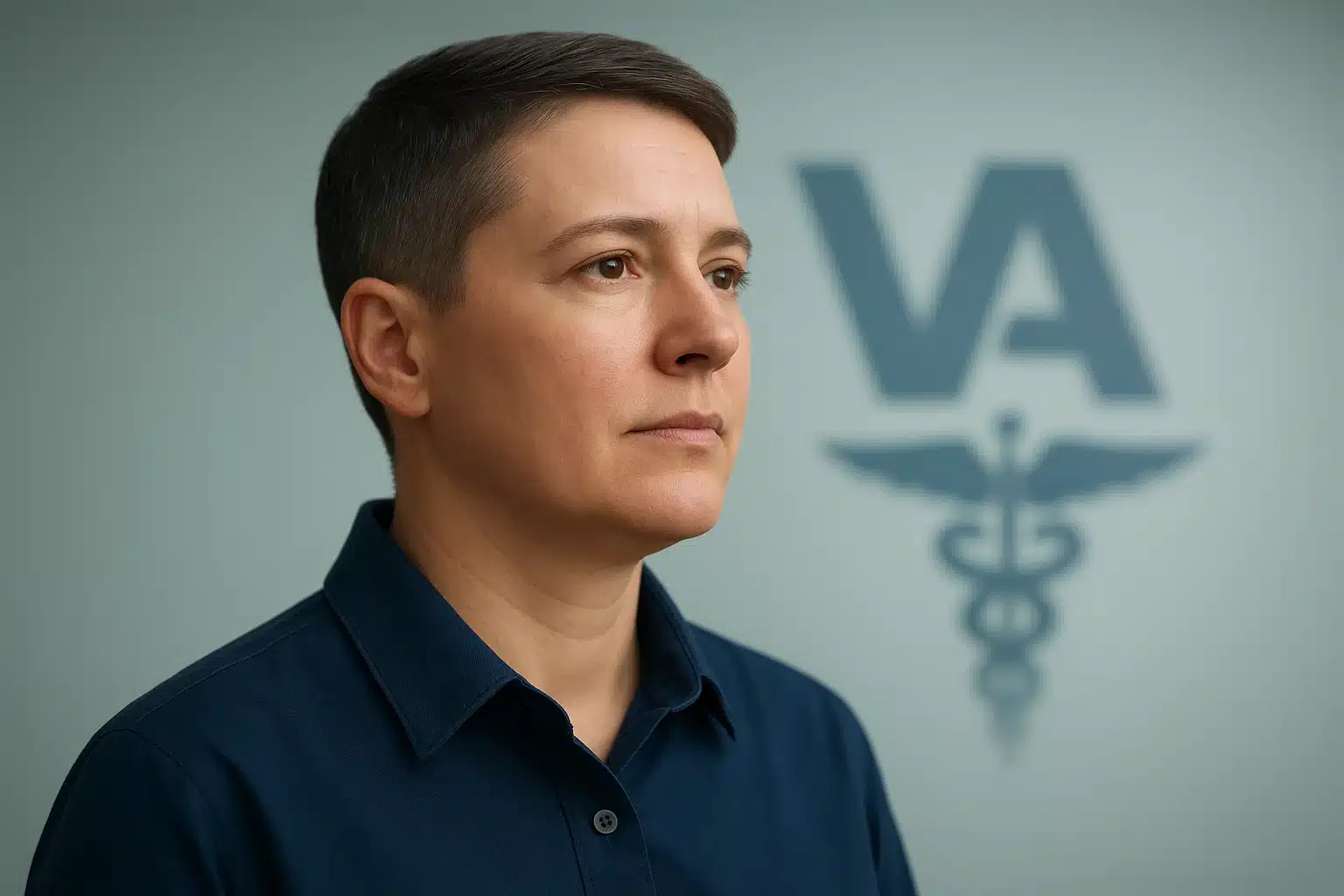
Navigating life after service comes with its own set of challenges, and for many veterans, dealing with medical hair loss is an unexpected and deeply personal battle. Whether it stems from chemotherapy, alopecia areata, or stress-induced conditions, hair loss is often dismissed by the outside world as merely “cosmetic.” However, within the veteran community, we understand that it is often tied to service-related health issues and can significantly impact mental well-being and identity.
The good news is that the Department of Veterans Affairs (VA) recognizes this impact. However, the path to securing coverage is rarely straightforward. It requires understanding specific terminology and administrative procedures that differ from standard civilian healthcare. To navigate the complexities of medical hair loss, many veterans begin by reviewing your complete guide to medical wig insurance coverage and financing to understand how private and public benefits intersect. While that broad overview is essential, this guide is dedicated specifically to decoding the VA system, empowering you to advocate for the benefits you have earned.
More Than Cosmetic: Understanding the “Cranial Prosthesis”
The first hurdle many veterans face is vocabulary. If you ask a VA administrator for a “wig,” you might be met with a blank stare or a quick denial. In the eyes of the Veterans Health Administration (VHA), a wig used for medical purposes is classified as a Cranial Prosthesis.
This isn’t just semantics; it is a critical medical distinction. A “wig” implies a fashion accessory. A “cranial prosthesis” is a medical device prescribed by a doctor to replace hair lost due to a medical condition or treatment. This terminology, rooted in VHA Directive 1173.01 regarding the Prosthetic and Sensory Aids Service (PSAS), places your need in the same category as a prosthetic limb or hearing aid. It validates that your hair loss is a health matter, not a vanity project.
The “Mental Health” Lever
One of the most significant yet overlooked aspects of VA policy is the recognition of psychological impact. While physical conditions (like burns or scarring) are obvious qualifiers, the VA also approves cranial prostheses for the maintenance of mental health.
For many veterans, the dream of hair loss head coverage isn’t about style—it’s about reclaiming a sense of normalcy and confidence. If hair loss is causing significant distress, anxiety, or depression, this “psychological burden” is a valid medical justification for a prosthesis. Understanding this allows you to frame your request not just around hair, but around your overall rehabilitation and mental health maintenance.
Eligibility: Do I Need a Service-Connected Disability?
A common misconception is that the hair loss itself must be the direct result of a combat injury to qualify. While service-connected disabilities get priority, eligibility is actually broader.
Generally, you may be eligible if your hair loss is related to:
- Alopecia Areata: An autoimmune disorder that results in unpredictable hair loss.
- Cancer Treatments: Chemotherapy or radiation therapy required for service-connected or VA-covered conditions.
- Lupus or Thyroid Conditions: Systemic issues that present with thinning or shedding.
- Scarring: From burns, trauma, or surgery related to military service.
- Mental Health: Trichotillomania (hair pulling) or severe distress related to appearance changes, often linked to PTSD or anxiety.
Note on Gender: While hair loss is often culturally associated with men, hair loss patterns in female veterans are distinct and often more psychologically damaging due to societal standards. The VA has specific directives to ensure women veterans receive equitable prosthetic care, acknowledging that standard male-pattern baldness solutions are often insufficient for female veterans.
The Advocacy Process: Step-by-Step
Commercial sites often simplify this into “buy and bill,” but the reality involves a specific clinical flow. Here is how to navigate the system effectively.
Step 1: The Primary Care Consult
Everything starts with your Primary Care Provider (PCP) at the VA. You cannot go directly to the prosthetics department. During your appointment, you must request a consult for a “Cranial Prosthesis.”
The Consult Script:If you aren’t sure what to say, use this template to ensure you hit the medical necessity points:
“Doctor, I am experiencing significant hair loss due to [Condition/Treatment]. This is affecting my mental health and daily social functioning. I am requesting a prescription for a Cranial Prosthesis to assist in my psychosocial rehabilitation.”
Step 2: The Referral
Your PCP will enter a consult request to the Prosthetic and Sensory Aids Service (PSAS). In some cases, they may first refer you to Dermatology or Oncology to confirm the diagnosis (e.g., verifying Alopecia Areata vs. standard male pattern baldness).
Step 3: The “Hair Quality Index” Discussion
Once approved, you will work with a purchasing agent. This is where you must advocate for quality. Not all prosthetics are created equal.
- Synthetic Options: Often the default, these are easy to care for but may not last as long or look as natural.
- Human Hair/Virgin Hair: For veterans with sensitive scalps (common after radiation), synthetic fibers can sometimes cause irritation. A “medical grade” cap with human hair is often necessary for comfort and skin health.
If you have a sensitive scalp, explain that you require a specific base material (like a monofilament or hand-tied silk base) to prevent skin breakdown. This moves the conversation from “preference” to “clinical need.”
Selecting the Right Vendor
The VA does not typically stock wigs on a shelf. Instead, they issue a purchase order or authorization for you to visit an approved vendor.
When looking for a provider, you aren’t just looking for a style; you are looking for administrative competence. A vendor must be registered with the VA to accept government purchase orders. When you find a wig provider, ask specifically: “Are you experienced in billing the PSAS for cranial prostheses?”
The Ideal Vendor Relationship:
- Selection: You choose a wig that meets your medical needs (breathable, secure, specific hair quality).
- Billing: The vendor sends the invoice directly to the VA.
- Delivery: You receive the prosthesis without out-of-pocket costs (in most approved cases).
Frequently Asked Questions
Can I get a second wig?
Typically, the VA allows for one cranial prosthesis per year, though this can vary based on the “wear and tear” and medical necessity. If your prosthesis is damaged or no longer fits due to weight changes associated with treatment, you can request a replacement sooner.
What if I am denied?
Denials happen, often due to coding errors or a lack of detailed medical justification. If denied, do not give up. Ask for the specific reason in writing. Often, a resubmission with a more detailed letter from your doctor emphasizing the psychological necessity or dermatological requirement (e.g., “patient requires 100% human hair due to contact dermatitis caused by synthetic fibers”) will overturn the decision.
Does the VA cover maintenance products?
Policies vary by region (VISN), but generally, the coverage is for the prosthesis itself. Consumables like adhesives, specialized shampoos, or stands are usually the veteran’s responsibility, though it is always worth asking your PSAS representative.
Taking the Next Step
Understanding that you are entitled to a cranial prosthesis is the first step toward reclaiming your confidence. The VA system is large and can be slow, but it is there to serve you.
Start by identifying your specific needs—are you dealing with sensitive skin? Do you need a piece for long-term wear or temporary coverage during chemo? Once you are clear on your medical requirements, schedule that appointment with your VA primary care provider. You have served your country; ensuring you feel confident and comfortable in your own skin is a service you deserve in return.