Imagine the scenario: It is two days before a major family wedding. You reach for your go-to daily wig, only to realize the nape is frizzy beyond repair and the lace is fraying. You are forced into “panic buying”—spending money you hadn’t planned to spend on a unit that might not be your first choice, simply because it can ship overnight.
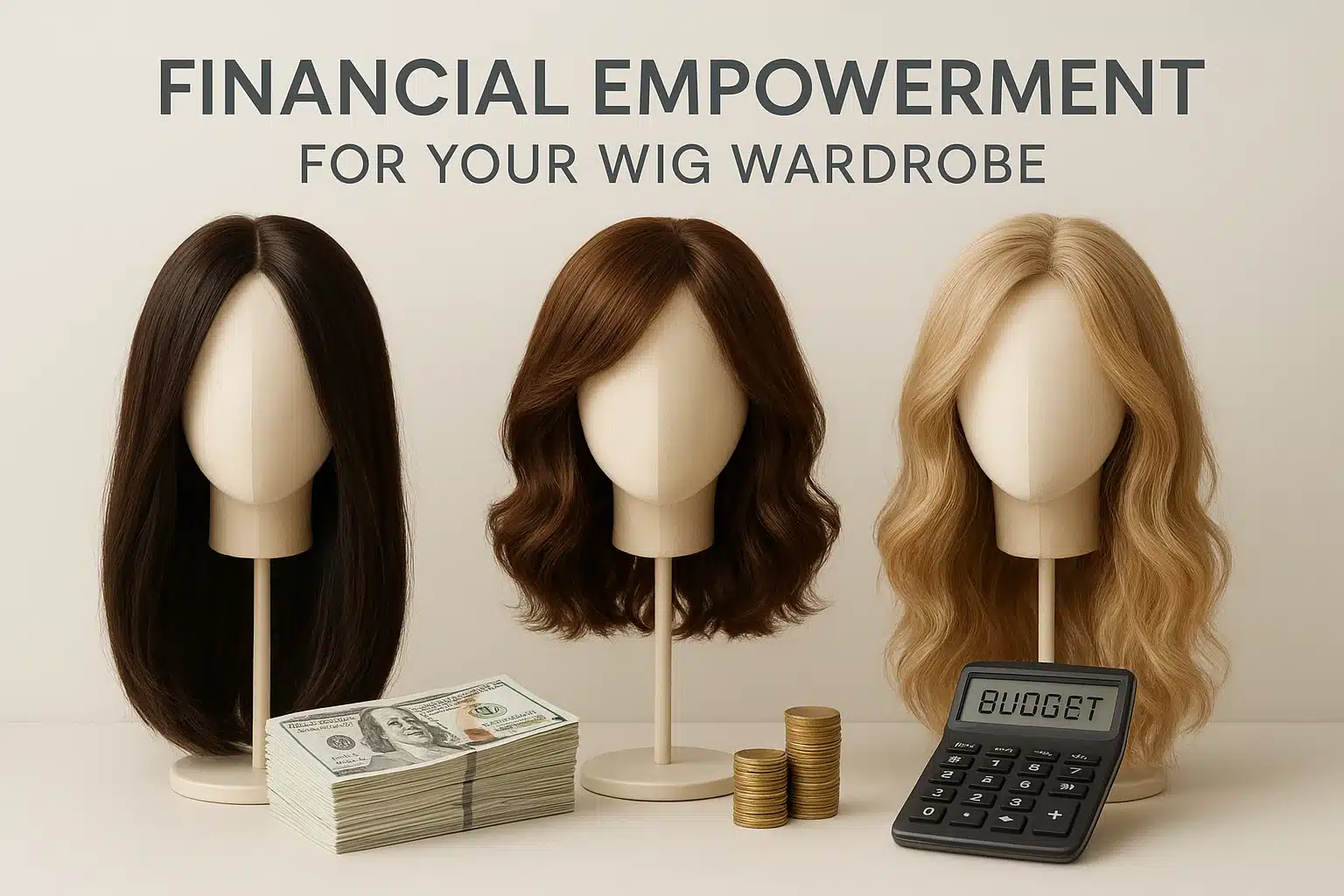
This cycle of “wear, tear, and emergency repair” is common, but it is financially stressful. The most savvy wig enthusiasts shift their mindset from simply buying hair to managing a wearable asset portfolio. As you begin building your collection, understanding the total cost of wig ownership is the first step toward a sustainable, stress-free, and stylish hair journey. By moving from a reactive approach to a proactive strategy, you can ensure you always have beautiful hair ready to wear without the sudden financial strain.
The “One and Done” Financial Trap
Many newcomers to the world of alternative hair start with a single unit. While this seems budget-friendly initially, it is often the most expensive way to wear hair in the long run. When you wear one wig every single day (12–14 hours a day), it absorbs daily sweat, oils, environmental pollutants, and friction from clothing.
This accelerated wear shortens the lifespan of the piece dramatically. Instead of a wig lasting six to eight months, it may only last three. This forces you into a rapid replacement cycle. The secret to budgeting isn’t necessarily buying cheaper wigs; it is about extending the life of the wigs you own through rotation.
The Mathematics of Style: Cost-Per-Wear (CPW)
To budget effectively, we must look beyond the sticker price. A high-quality wig might have a higher upfront cost, but if it lasts three times as long as a budget option, it is financially superior. This is calculated using Cost-Per-Wear (CPW).
Here is how the math works for different wig price range options:
- Scenario A (The Budget Trap): You buy a $50 fashion wig. It looks good for 10 wears before tangling excessively.
- Cost Per Wear: $5.00
- Scenario B (The Investment): You purchase a $400 high-quality synthetic or blend wig. With proper care, you wear it 200 times.
- Cost Per Wear: $2.00
By focusing on CPW, you realize that investing in quality actually protects your bank account over time. It transforms a purchase from an expense into an investment in your daily confidence.
The Strategy: Building a Staggered Rotation
The healthiest budgets rely on a “staggered rotation.” This involves owning 2–3 wigs at different stages of their lifecycle.
1. The Primary Unit (The “Workhorse”)
This is your newest, best-condition piece. You wear this for work, events, and outings where you want to feel your absolute best.
2. The Secondary Unit (The “Weekend/Errand”)
When your Primary Unit starts showing slight wear (perhaps around month 4 or 5), you downgrade it to a Secondary Unit. This is perfect for grocery shopping, hitting the gym, or lounging at home.
3. The “Rest Day” Concept
Just like shoes, wigs need rest. Rotating between two units allows the cap to reshape and dry out completely from natural oils and perspiration. This simple act can extend the life of both wigs by up to 30%.
Sinking Funds: The “Wig Fund” Approach
Rather than being surprised by the need for a replacement, successful wearers use a “Sinking Fund.” This is a small amount of money set aside weekly specifically for your hair wardrobe.
If you know you generally ask how long do human hair wigs last and find the answer is roughly one year for your lifestyle, you can reverse-engineer your savings.
- Goal: A $1,200 Human Hair Wig
- Timeline: 12 Months
- Weekly Savings: Approx. $23/week
By treating your wig budget like a utility bill—a small, predictable weekly cost—you eliminate the sticker shock when it’s time to upgrade.
The Hidden Cost Matrix: Budgeting for Accessories
When planning your budget, many people overlook the “maintenance ecosystem.” A wig requires tools and products to maintain its value. Ignoring these can lead to damaging your investment, effectively throwing money away.
Your budget should account for:
- Specialized Care: Synthetic-safe shampoos and conditioners (grocery store brands can strip fibers).
- The Tool Kit: A wide-tooth comb for detangling without stretching fibers, and a wig stand for proper drying.
- Styling Tools: If you wear heat-friendly fibers, investing in tools like steamers or flexi rods can revive a wig that looks “tired,” delaying the need to buy a new one.
- Securement: Tapes, grips, and adhesives, especially if you are wearing front lace wigs that require precise application to look natural.
FAQ: Financial Planning for Wigs
How many wigs do I really need to start a rotation?
You can start a rotation with just two wigs. Buying your second wig before your first one is completely worn out is the key. Once you have two, you can alternate days, instantly doubling the lifespan of both.
Is human hair always the better financial choice?
Not necessarily. While human hair lasts longer, it requires more “upkeep cost” (styling products, deep conditioning). For someone on a strict budget who wants low maintenance, a high-quality synthetic wig might offer a better balance of upfront cost and longevity.
How can I make my wig last longer to save money?
The number one money-saver is friction reduction. Wearing long wigs up off the collar during winter (to avoid rubbing against scarves and coats) and using silk pillowcases (if you sleep in your wig) can significantly reduce fiber friction, delaying the “frizz factor.”
Conclusion: From Surviving to Thriving
Budgeting for your wig wardrobe is about more than math; it is about peace of mind. By calculating your Cost-Per-Wear, setting up a small weekly sinking fund, and slowly building a rotation of 2–3 reliable units, you move from “survival mode” to a place of confidence. You will no longer worry about your hair wearing out before payday; instead, you will have a curated collection that serves you, your style, and your budget.