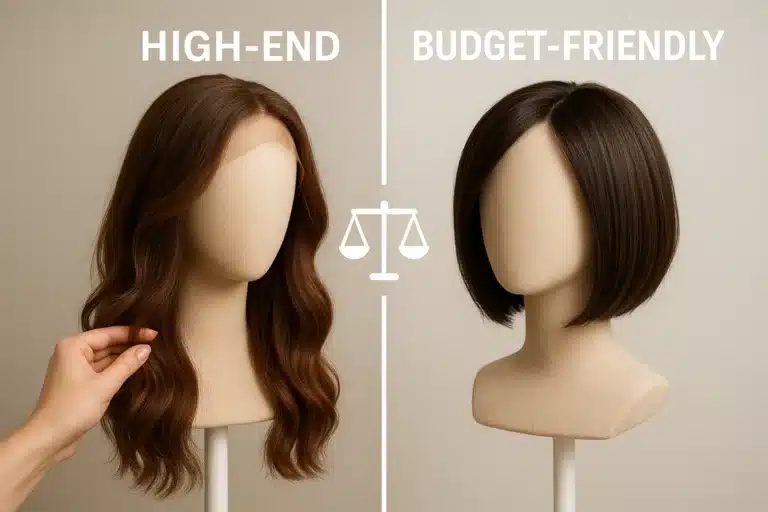
Imagine finding the wig of your dreams. The color caught your eye from across the room, the texture feels luxurious, and you’re thrilled to take it home. But when you put it on, something just feels… off. It might look a little too full, the hairline might sit awkwardly, or the color doesn’t quite flatter your skin tone the way you hoped. If you’ve ever experienced this, you aren’t alone.
Think of a high-quality wig straight out of the box like a designer suit straight off the rack. It’s undeniably beautiful, but it hasn’t been tailored to you. Whether you’re a local resident, a medical traveler navigating hair loss, or a performer prepping for the stage, knowing where to buy is only half the battle. If you’ve been reading through an ultimate guide to the best wig stores in Las Vegas, NV, your next crucial step is understanding the customization process. The secret to hair that looks like it’s growing naturally from your scalp lies in professional dyeing, precision cutting, and expert fitting.
Let’s demystify the science behind wig customization and explore why that post-purchase salon chair experience is the true magic behind a flawless look.
The “Out-of-the-Box” Myth
The biggest mistake beginners make is assuming a wig is ready to wear the moment they purchase it. Human heads are entirely unique—our face shapes, forehead lengths, and natural hair densities vary wildly. When a wig is manufactured, it’s created with a generalized fit and extra hair density to accommodate a wide range of styling preferences.
Stepping into a local wig salon for customization transitions your piece from a standard accessory into a personalized hair solution. This journey is especially profound for alopecia and oncology patients. The transition from medical necessity to personal mastery—where you take control of your look and reclaim your normalcy—begins with understanding the technical artistry available to you.
The Science of Color: Dyeing Human Hair vs. Synthetic Fibers
Coloring a wig is a highly specialized chemical process. The hair on a wig does not behave like the bio-hair growing out of your scalp, which is why DIY box dyes often lead to tragic results.
Elevating Human Hair with pH-Balanced Dyeing
When you purchase a premium human hair wig, the hair has already gone through a rigorous processing and sanitization journey before it ever reaches the store. Because of this, the hair is naturally more porous.
If a stylist were to use standard, high-lift hair dye on a human hair wig, it could irreversibly damage the cuticle. Instead, professional wig colorists rely on pH-balanced dyeing techniques. They typically use a gentle 10-volume developer to deposit pigment without stripping the hair’s structural integrity. This careful chemistry ensures your custom root smudges, highlights, or balayage stay vibrant while keeping the hair buttery soft.
The Synthetic Science Void
Can you dye a synthetic wig? Yes, but the science is completely different. Traditional hair dye will simply slide right off synthetic fibers—or worse, melt them.
Unfortunately, there is a popular myth that boiling synthetic wigs with fabric dye is a safe DIY project. This is incredibly risky and often destroys the fibers. Professional wig stylists use specialized alcohol-based inks and specific tint sprays to alter synthetic colors safely. If you have a synthetic piece, bringing it to a professional who understands the unique properties of plastic polymers will save your investment from ruin.
The Art of the Precision Cut: It’s Not Just About Length
When we think of a haircut, we usually think of trimming the ends. But with non-growing fibers, the goals of a haircut are entirely different.
If you are new to the wig world, you might wonder, what is the purpose of thinning a wig? The answer is natural movement. Wigs often feature a dense volume of hair to ensure the cap underneath remains hidden. However, natural hair is rarely that thick all the way around.
Wig stylists use specialized techniques that differ vastly from standard hairdressing:
- Density Thinning: Using a razor or specialized shears to selectively remove bulk, ensuring the hair falls naturally around your face.
- Point Cutting and Slithering: Instead of blunt cuts, professionals use these techniques to create soft, wispy layers that move gracefully with you, rather than sitting like a solid curtain of hair.
- Face Shape Mapping: Tailoring the style to complement your specific features, whether that means adding a “Showgirl Bob” to flatter a round face or incorporating curtain bangs to soften a square jawline.
The Fit Protocol: What to Expect in a Consultation
A great customization appointment goes far beyond scissors and dye. It’s an immersive process designed to make your wig feel like a second skin. Understanding your wig cap construction during your consultation is essential, as the base dictates how the piece will lay against your head.
The Four-Finger Rule
One of the most empowering things you’ll learn during a professional fitting is how to position your wig correctly at home. A universal standard used by professionals is the “Four-Finger Rule.” By placing four fingers horizontally across your forehead starting from the bridge of your nose, you can pinpoint exactly where your natural hairline should begin. This simple trick prevents the telltale sign of a wig pulled too far forward or pushed too far back.
Lace Tinting and Tailoring
Your stylist will also assess the lace front. They may trim the lace perfectly to your hairline’s unique curve and apply specialized tints so the lace perfectly matches your scalp’s complexion, rendering it virtually invisible.
Desert Survival: Las Vegas-Specific Wig Care
Living in or visiting Las Vegas introduces a unique set of environmental challenges for your hair. The extreme desert heat, low humidity, and intense UV rays can cause custom-colored wigs to oxidize prematurely and natural fibers to become brittle.
To protect your custom styles in the Vegas climate:
- Hydration is Key: Human hair wigs lack the natural sebum (scalp oils) that keep bio-hair moisturized. You must manually replenish this moisture with high-quality, professional-grade leave-in conditioners.
- UV Protection: Just like your skin, your custom color needs protection from the Nevada sun. Look for finishing sprays that contain UV filters.
- Storage: Keep your wig away from direct sunlight when not in use, and consider a humidifier for the room where you store your human hair pieces.
Repair vs. Replace: Extending Your Investment
Even with perfect care, wigs experience wear and tear. But before you throw out a beloved piece, consider consulting a professional. Often, a wig isn’t at the end of its life—it just needs a little TLC.
For instance, friction from collars can cause nape tangling, and extensive use can lead to hair shedding at the part line. Seeking out professional wig repair can breathe new life into an aging unit. Professionals can re-ventilate (hand-tie new hair into) thinning lace fronts, repair torn caps, and perform deep conditioning treatments that restore a factory-fresh silkiness. A well-timed precision refresh can easily extend a wig’s lifespan from a standard six months to over two years.
Frequently Asked Questions (FAQ)
Can a professional cut a wig while I’m wearing it?
Yes! In fact, it is highly recommended. Cutting a wig while it is on your head allows the stylist to account for your unique face shape, forehead height, and the natural fall of the hair against your shoulders.
Will dyeing my wig ruin the hair?
Not if done professionally. Human hair wigs can be dyed safely using low-volume developers and pH-balanced techniques to preserve the integrity of the hair cuticle.
What is the difference between fabric dye and hair dye for synthetic wigs?
Traditional hair dye opens the cuticle to deposit color, but synthetic hair is made of fibers (like acrylic or plastic) and has no cuticle. Therefore, hair dye will wash right off. While some DIYers use fabric dyes, it requires boiling water which can easily melt the wig. Professionals use safe, alcohol-based inks to color synthetics.
How do I know if my wig needs repair or if it’s time to replace it?
If the hair is shedding excessively at the lace front or the cap has minor tears, a professional can often repair it. However, if synthetic fibers are severely melted or a human hair wig is completely stretched out and the structural integrity of the cap is compromised, it is likely time for a replacement.
Your Next Steps Toward Hair Confidence
Understanding the science of customization is your first step toward true hair confidence. A wig is more than an accessory; it is a wearable piece of art that should reflect your personality, flatter your features, and integrate seamlessly into your life.
Whether you are looking to refresh an old favorite or customize a brand-new piece, the secret lies in partnering with experts who understand the delicate chemistry of color, the geometry of a precision cut, and the empathy required to support your personal hair journey. Take the time to explore your local customization options—because you deserve a look that is uniquely, beautifully yours.