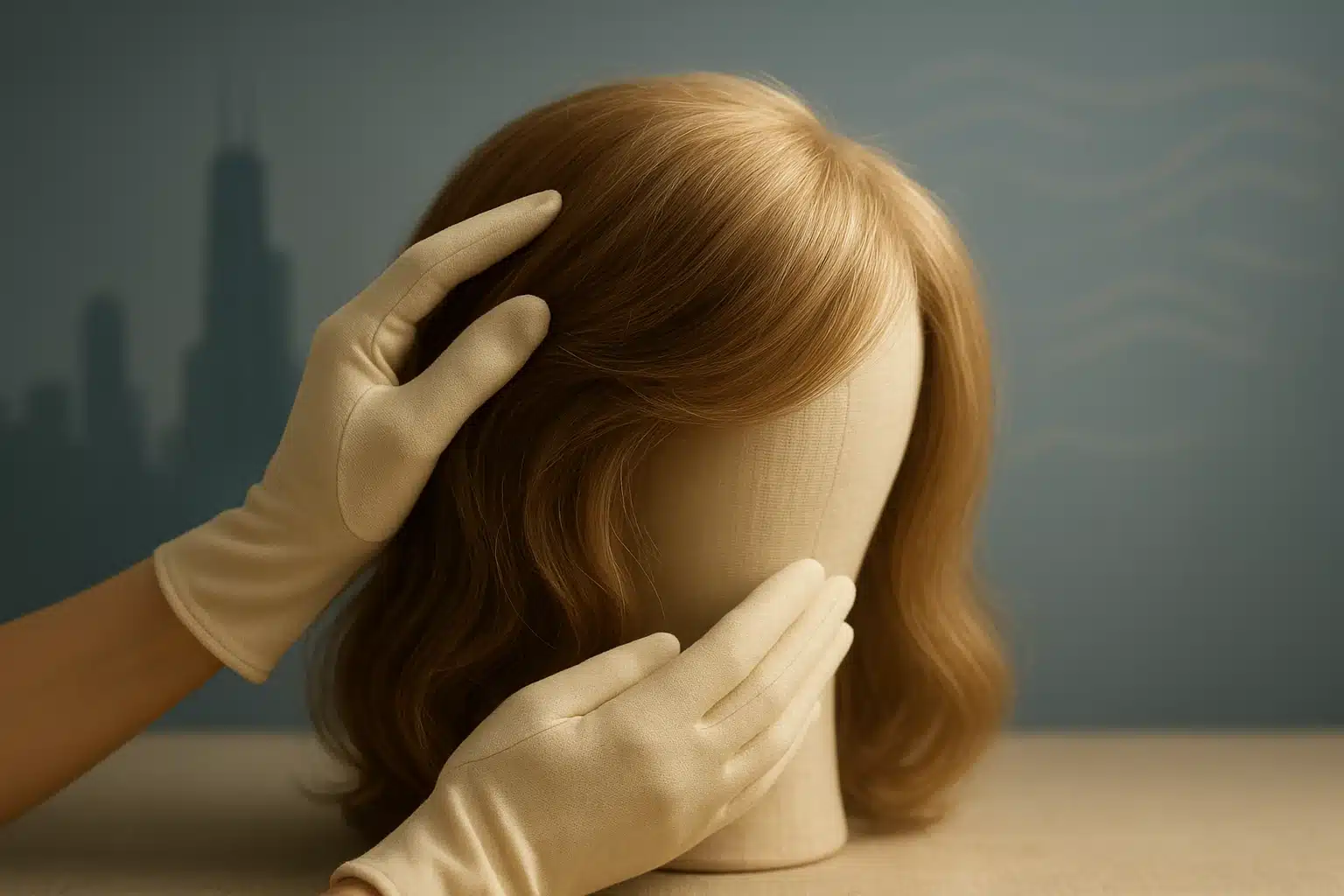
The Windy City is famous for its breathtaking skyline, deep-dish pizza, and—less affectionately—its brutal, wig-testing weather. From the bone-chilling gusts off Lake Michigan in January to the sweltering, humid days of July, Chicago’s climate presents a unique set of challenges for wig wearers. Whether you’ve just invested in a premium human hair unit to combat hair loss or a beautiful synthetic piece to change up your style, the local environment is constantly testing its durability.
Many residents spend considerable time finding the best wig stores in Chicago IL to make that perfect initial purchase. However, there is a massive educational gap regarding what happens after you take your beautiful new hairpiece home. How do you protect your investment from the city’s notorious hard water, winter friction, and wind-tunnel damage near the Loop? Let’s dive into the world of wig repair and rejuvenation to keep your hair looking flawless season after season.
The Unique “Wig Killers” of Chicago
If you’ve noticed your wig tangling, shedding, or losing its luster faster than expected, you aren’t doing anything wrong. Chicago’s environment has a few built-in culprits that accelerate wear and tear on alternative hair.
The Scarf Friction Factor
During a Chicago winter, thick wool coats, chunky scarves, and high collars are absolute survival essentials. Unfortunately, they are also the number one cause of “nape matting”—severe tangling at the back of the neck. As your wig constantly rubs against these coarse winter fabrics, the friction causes the hair fibers to knot and fray.
Hard Water Mineral Buildup
Chicago’s municipal water is notoriously hard, meaning it contains high levels of calcium and magnesium. If you are washing your human hair wigs at home using tap water, these minerals slowly deposit onto the hair shaft. Over time, this buildup leaves your once-silky wig feeling stiff, dry, and “crunchy.”
The “Wind-Tunnel” Effect
Walking down the street in the Loop can sometimes feel like walking through a wind tunnel. These sudden, aggressive gusts don’t just mess up your style; they whip the hair fibers together, creating micro-tangles that, if not properly detangled, lead to permanent structural damage and shedding.
The Spectrum of Wig Care: Rejuvenation vs. Repair
When your wig starts showing its age, you might think it’s time to throw it out. But before you do, it’s crucial to understand the difference between routine rejuvenation and structural repair.
Cleaning and Conditioning: The Foundation
There is a distinct technical difference between treating synthetic hair and treating human hair.
- For Human Hair: Professional deep conditioning involves penetrating the hair cuticle with moisture, often requiring specialized products to strip away Chicago’s hard water mineral deposits first.
- For Synthetic Hair: Synthetics don’t absorb moisture. Instead, professionals use a “Steam Treatment” to smooth the plastic fibers, resetting their original style memory and melting away frizz.
Restoration and De-Matting
Have you hit the “point of no return” with tangles? Many people try DIY solutions they see online, leading to the infamous “Boiling Water” myth. While briefly dipping certain heat-friendly synthetics in hot water can help smooth them, boiling standard synthetic wigs at home often permanently destroys the fiber’s memory. Local restoration experts use specialized tools and temperature-controlled steamers to safely detangle and restore heavily matted units.
Structural Repair: Lace Ventilation
One of the most common heartbreaking moments for a wig wearer is noticing a bald spot on their delicate lace front. But a small tear or a thin spot doesn’t mean a new $800 purchase is necessary. Skilled local professionals offer “lace ventilation.” This is the meticulous art of taking loose hair and hand-tying (re-knotting) it directly into the damaged areas of your lace, making the wig look brand new for a fraction of the cost of replacing it.
Tapping Into Local Chicago Hair Experts
You might be surprised to learn that the local professional you need might already be working in your neighborhood. The skills required to construct, maintain, and repair high-end wigs overlap beautifully with other advanced hair techniques.
For instance, many stylists who specialize in styling chicago locs or sourcing the best extensions chicago has to offer possess an incredibly deep understanding of hair tension and structural repair. Whether you frequent salons known for flawless hair extensions in chicago or you prefer picking up professional-grade maintenance supplies at hollywood beauty supply chicago, the local hair community is vast.
Professionals who regularly work with premium queen virgin remy chicago bundles or intricate klix hair extensions chicago systems often have the precise trichology background required to execute delicate wig restoration. Even avant-garde technicians who install uv hair extensions chicago demonstrate the high level of technical proficiency existing right here in the city. If a local stylist is an expert in holistic scalp health and advanced hair additions, there’s a strong chance they offer wig rejuvenation services, even if it isn’t front-and-center on their menu.
The Cost-Benefit: Should You Repair or Replace?
When your favorite wig starts looking tired, it can be tough to decide whether to invest in repairs or just buy a new one. Here is a quick way to think about it:
- The Cost of Repair: A professional deep-clean, de-matting, and styling service in the Chicagoland area generally ranges from $120 to $180. Minor lace ventilation might add to that cost.
- The Cost of Replacement: A high-quality human hair wig or premium synthetic piece typically starts around $400 and can easily reach into the thousands.
If the lace structure of your wig is still fundamentally sound, investing in a $150 professional rejuvenation can easily extend the life of your piece by another 6 to 12 months, making it a highly cost-effective choice.
The Chicago Wig Longevity Calendar
To get ahead of the elements, we recommend following a seasonal maintenance schedule tailored specifically to Chicago:
- Spring (The April Deep-Clean): Take your wig in for a professional clarifying wash to strip away the salt, hard water minerals, and heavy conditioning oils accumulated over the winter.
- Summer (Humidity Prep): Switch to lightweight, UV-protectant sprays. If you have a human hair wig, professional anti-humidity sealing treatments can prevent summer frizz.
- Fall (Pre-Winter Conditioning): Begin doing heavier deep-conditioning masks to prep human hair fibers for the dry indoor heating that is soon to come.
- Winter (Friction Defense): Bring your wig in for mid-winter de-matting. Start wearing silk scarves under your heavy wool coats to protect the nape of your wig from friction.
Frequently Asked Questions (FAQ)
Can my matted synthetic wig be saved?
In many cases, yes! While you should avoid DIY “boil washes” which can melt the fibers, a professional can use specialized detangling agents and controlled steam treatments to relax the plastic fibers and brush out severe mats.
Why is my wig shedding so much?
Shedding is often a combination of aggressive brushing, friction from clothing, and the natural loosening of the knots on the lace over time. If the shedding results in thin patches, a professional can use a technique called “lace ventilating” to tie new hair into the sparse areas.
Will local salons that do hair extensions chicago also repair my lace wig?
Very often, yes! The structural knowledge required for advanced hair extensions translates perfectly to wig repair. Don’t hesitate to call your local extension specialist to ask if they offer drop-off wig rejuvenation or lace repair.
What is the difference between wig revamping and restoration?
Revamping usually refers to aesthetic changes—like adding fresh curls, cutting a new fringe, or updating the color. Restoration is structural—removing severe matting, repairing torn lace, and doing deep-penetration conditioning to bring “dead” hair back to life.
Can I use fabric softener on high-end human hair?
Absolutely not. The “fabric softener hack” is strictly for older synthetic wigs (since synthetic hair is essentially plastic/fabric). Using fabric softener on human hair will leave a damaging, waxy film that ruins the cuticle and causes massive tangling.
Your Next Steps for Flawless Hair
Navigating hair loss or alternative hair styling is a deeply personal journey, but maintaining your wig shouldn’t feel like a lonely struggle. By understanding how Chicago’s unique environment impacts your hairpieces, and recognizing that repair is often a more viable option than replacement, you empower yourself to make your favorite styles last longer.
Start by assessing your current wig collection. Are there pieces sitting in a box because of a torn lace or a matted nape? Consider seeking out local rejuvenation services before discarding them. With the right care, a little education, and a gentle touch, your favorite wigs can brave the Windy City weather right alongside you for years to come.