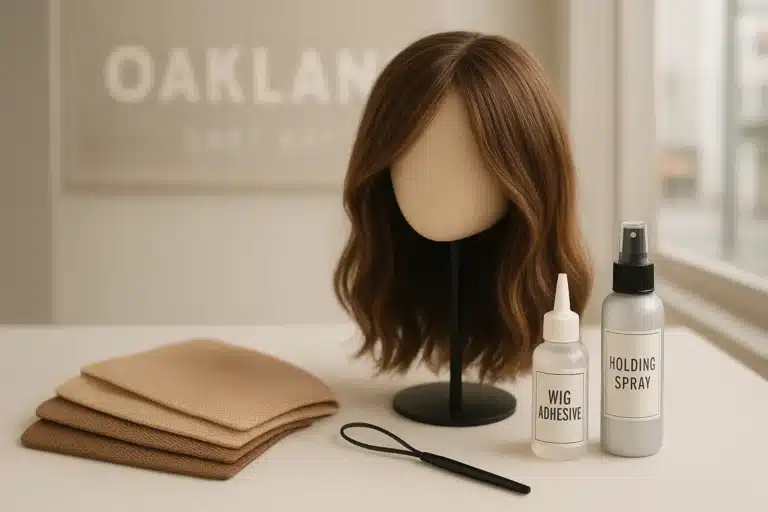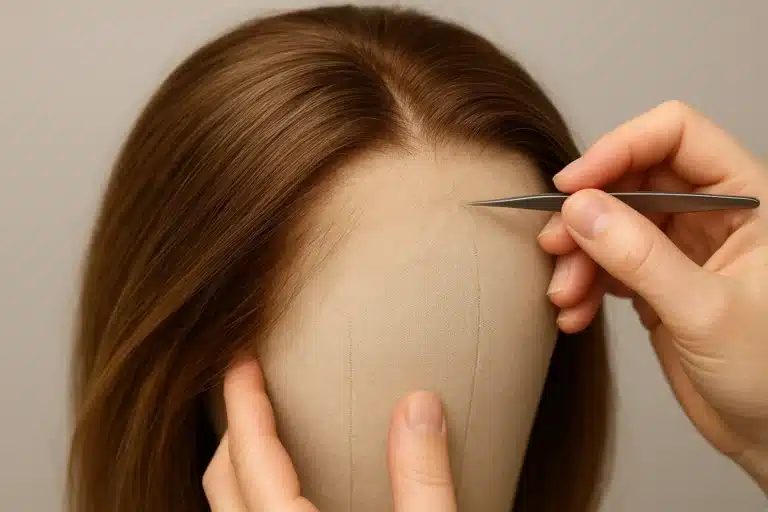
Imagine walking into a bustling beauty supply store in West Baltimore. Aisles stretch out before you, packed floor-to-ceiling with colorful bottles, mysterious adhesives, canvas mannequin heads, and an endless array of styling tools. If you’re new to wearing wigs—whether you’re navigating medical hair loss or simply exploring a new aesthetic—this wall of products can feel completely overwhelming. The truth is, investing in a beautiful, high-quality wig is only the first step. The real secret to a flawless, natural, and comfortable experience lies entirely in the accessories and care products you use behind the scenes.
Knowing exactly what to buy (and more importantly, what to avoid) transforms your daily routine from frustrating to effortless. Before you map out your weekend shopping route, reviewing a trusted guide to the best wig stores in Baltimore, MD can help you pinpoint exactly where to shop in Charm City. But once you walk through those doors, what exactly should be on your list?
Drawing on nearly two decades of compassionate expertise in the hair loss and wig industry, we’ve created this educational guide to demystify wig accessories. Let’s break down exactly what you need to successfully wear, wash, and store your wigs.
The Foundational Care Kit: What You Actually Need
When you are just starting out, it is easy to overbuy. Instead of loading up your cart with every product on the shelf, focus on building a solid foundation.
Headwear and Comfort
Securing your wig shouldn’t mean enduring tension headaches or damaged natural hair. Your first purchase should be proper underpinnings. You’ll generally choose between a traditional nylon cap and a specialized grip. Looking into a thorough wig cap vs wig grip comparison is a great way to understand what will work best for your scalp.
- Velvet Wig Grips: Ideal for those with or without natural hair, these bands use friction to keep your wig securely in place without any adhesives.
- Silicone Grips: Perfect for completely bare scalps, providing a gentle, non-slip hold that won’t irritate sensitive skin.
Storage and Shaping
Tossing a wig on your dresser at the end of the day is the fastest way to ruin its shape.
- Styrofoam vs. Canvas Blocks: Styrofoam heads are cheap and readily available at most Towson and Parkville beauty supplies, but they can stretch out your wig cap over time. A cork-filled canvas block, sized specifically to your head measurements, is a professional-grade investment that helps maintain the perfect fit.
- Collapsible Drying Stands: Essential for wash days, these allow air to circulate freely through the wig cap to prevent mildew.
Fiber-Specific Cleansers
Never wash your wig with standard drugstore shampoo. To protect your investment, you need fiber-specific formulas. Synthetic wigs require specialized, cold-water shampoos that won’t degrade the manufactured fibers, followed by a handheld steamer to gently release frizz. Conversely, finding the best products for human hair wigs means looking for ultra-hydrating, sulfate-free cleansers and deep conditioners that replenish moisture, since the hair no longer receives natural oils from the scalp.
The Adhesive Hold Spectrum: Demystifying Wig Glues
One of the most confusing aspects of wig wearing is figuring out how to attach a lace front. If you browse community forums or local Baltimore social media groups, you’ll see dozens of conflicting, and sometimes dangerous, recommendations. Let’s look at the actual science of the hold spectrum.
The Temporary Hold: Styling Gels (Got2b Glued)
Often misunderstood as a true glue, products like Got2b Glued are actually heavy-duty styling gels. They are water-soluble, meaning they wash away easily with a damp cloth. This makes them fantastic for beginner daily wear. However, because they break down with moisture, they won’t hold up during a humid Baltimore summer or a heavy gym session.
Multi-Day Hold: Dedicated Lace Adhesives
If you need a wig to stay put for several days to a few weeks, you need a dedicated liquid lace adhesive (like Ghost Bond or Bold Hold). These are polymer or acrylic-based glues designed to resist water and sweat. Because they are waterproof, they cannot be removed with water or regular shampoo—which brings us to the science of safe removal.
🚨 The Safety Alert: Dangerous DIY Hacks
You may have heard viral advice suggesting household products for wig application. Let’s clear this up: Gorilla Snot is an extreme-hold hair gel designed for punk hairstyles, not for safely bonding delicate Swiss lace to your skin. Worse, Gorilla Glue is an industrial polyurethane wood glue that requires surgical intervention to remove and causes severe scalp trauma. Never use hardware store products on your skin or your wig.
Lace Remover Science: Protect Your Edges
If you use a dedicated acrylic lace glue, peeling or pulling your wig off at the end of the week is a cardinal sin. This is how delicate lace tears and how natural hairlines (edges) are permanently damaged.
You must use a specialized remover, but it’s vital to know the difference between formulas:
- Alcohol-Based Removers (91% Isopropyl): Excellent for prepping the skin by removing natural oils before applying glue, and great for cleaning glue residue off the raw lace after the wig is removed. However, alcohol evaporates too quickly to effectively melt heavy glue bonds on the skin.
- Citrus/Solvent-Based Removers: These oil-based solvents are required to safely break down acrylic glues. They penetrate the lace, dissolve the bond, and allow the wig to slide off effortlessly without a single tug.
Navigating Baltimore’s Local Shopping Landscape
Baltimore offers a rich tapestry of retail options, but different stores cater to different needs:
- Local Beauty Supply Hubs: Areas like West Baltimore, Glen Burnie, and Parkville are dotted with expansive beauty supply stores. These are your go-to spots for daily maintenance supplies: canvas heads, T-pins, Got2b gel, synthetic shampoos, and edge brushes.
- Specialized Hair Loss Boutiques: If you are seeking a medical cranial prosthesis due to chemotherapy or alopecia, you’ll want to visit specialized boutiques in the wider MD metro area. These environments offer private fitting rooms, licensed specialists, and medical-grade silicone grips that prioritize scalp health and empathy.
Demystifying Niche Wig Terminology
As you explore accessories and care products, you’ll likely stumble across industry jargon and viral search terms. Here is a quick glossary to keep you informed:
- Wig CPT Code (A9282): A medical billing code for a “Cranial Prosthesis.” If your hair loss is medical, this code is what your Maryland insurance provider needs to potentially reimburse you for the cost of your wig.
- NHS Wigs: You might see this term online, but it refers to the UK’s National Health Service voucher system for medical wigs, which does not apply to US shoppers.
- African American Straight Wigs: Units featuring lightly textured, relaxed, or yaki-straight fibers designed to mimic the natural blowout texture of textured hair, offering a seamless blend.
- Euro Wigs: Community shorthand for wigs made from ultra-fine, silky European human hair, known for its smooth texture and lighter density.
- Pop Culture Styles: You may see local stores or online forums referencing viral terms like a 2hollis wig (a shaggy, bleached cyberpunk style), a Silvervale wig (a long, pastel anime cosplay style), or a Rasputia wig (an exaggerated, comedic beehive). Understanding these helps decode what styles younger or theatrical crowds are hunting for!
Frequently Asked Questions for Beginners
How do I make my wig look natural at the hairline?
Use the “4-Finger Rule.” Place four fingers flat horizontally across your forehead, resting the bottom finger on your eyebrow. Your wig’s hairline should generally start right where your top finger rests.
Can I dye my human hair wig if I don’t like the color?
Yes, but with extreme caution. Wigs have often been chemically processed, meaning they don’t react to dye exactly like hair growing from a scalp. If you’re trying to lift dark dye, learning how to remove color from a black wig safely is crucial to prevent destroying the delicate hair fibers.
Can I wash my wig with dish soap?
Absolutely not. While this is a popular internet hack supposedly meant to strip heavy oils, dish soap is far too harsh. It will severely dry out human hair and leave a dulling, sticky film on synthetic fibers. Stick to sulfate-free or synthetic-specific cleansers.
Continuing Your Wig Journey
Mastering your wig care routine takes a little time and patience, but having the right educational foundation makes all the difference. By understanding the science behind adhesives, the necessity of proper removers, and the specific needs of your wig’s hair fibers, you are setting yourself up for a flawless, comfortable experience every single day.
When you’re ready to start building your personal care kit, head out to your local Baltimore retailers with confidence, knowing exactly what to look for and why you need it. Remember, you deserve to feel beautiful, comfortable, and completely secure in your style.