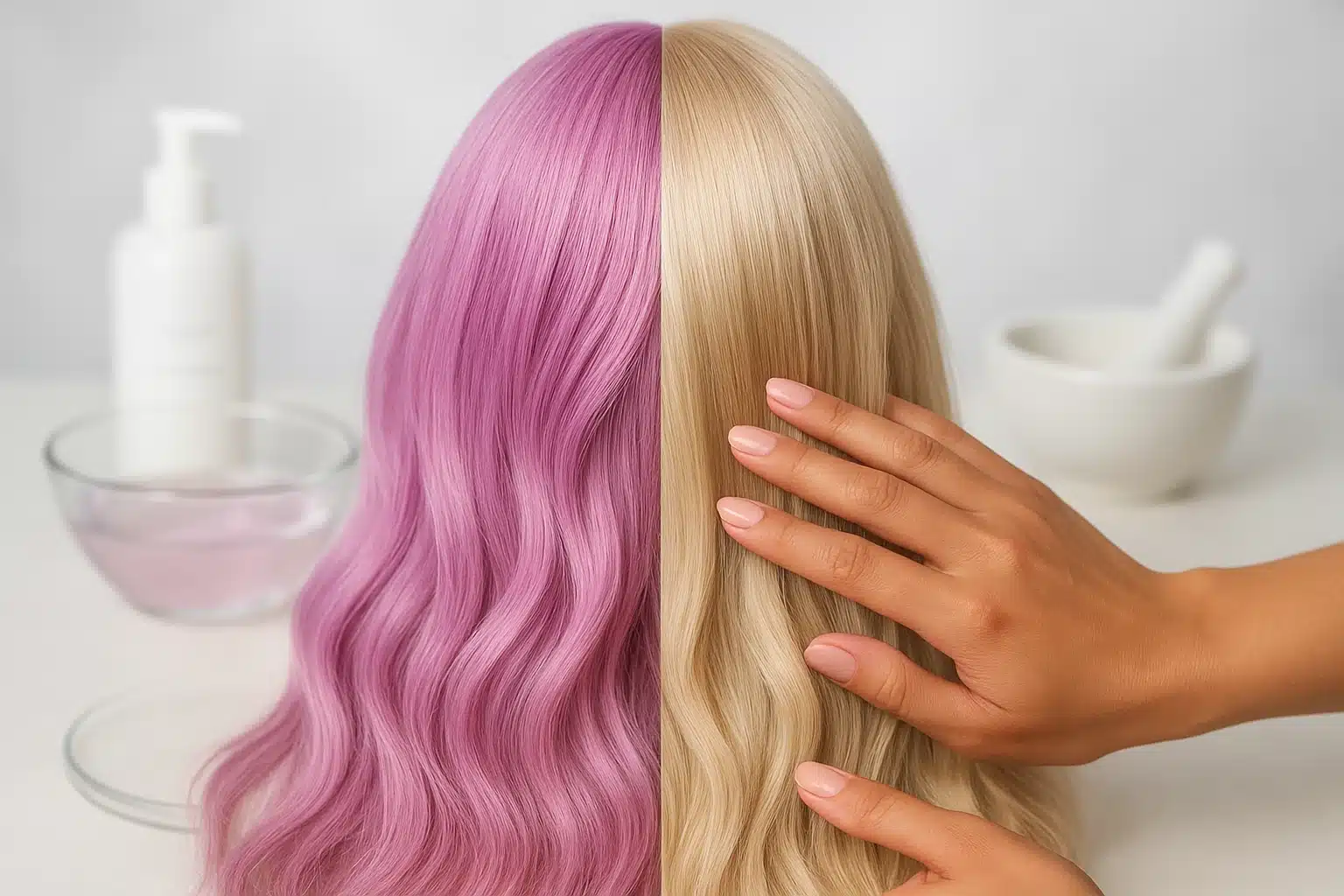
Picture this: you found the perfect pastel pink semi-permanent dye, applied it to your beautiful blonde human hair wig, and rocked the look for a few weeks. But now, you’re dreaming of a sleek, icy platinum or perhaps prepping for a whole new brunette vibe. The beauty of a high-quality human hair wig is that it’s a true investment—one that can beautifully evolve right alongside your ever-changing personal style.
However, safely removing that temporary pigment isn’t quite as simple as just washing it out in the sink. Whether you’re trying to correct a mixed color wig that didn’t turn out quite right, or you are deeply invested in mastering wig coloration and highlighting on human hair wigs, understanding the chemistry behind pigment removal is essential. Today, we’re going to pivot away from risky DIY internet hacks and walk through a gentle, effective standard for preserving the integrity of your human hair wig while bringing it back to a clean canvas.
Why Wigs Behave Differently Than Your Natural Hair
When searching for ways to remove dye, many people turn to general haircare forums. The problem? Most of this advice is meant for natural hair growing from a human scalp.
Natural hair has a constant supply of sebum—natural oils produced by your scalp that travel down the hair shaft, providing a protective barrier. Human hair wigs, no matter how premium, lack this continuous oil supply. This makes the fibers inherently more vulnerable to dehydration and long-term damage if subjected to aggressive color-stripping chemicals.
Additionally, you have to consider hair porosity. A dark brown wig will hold onto and release temporary pigments very differently than a heavily processed, bleached ash blonde wig. Highly porous blonde hair acts like a sponge, gripping onto temporary dyes much tighter than darker, less porous hair.
The Mandatory First Step: The Melt Test
Before we even look at a bottle of shampoo, we have to verify what we are working with. While this guide is exclusively for 100% human hair wigs, sometimes users attempt these methods on synthetic blends with disastrous results.
If you are unsure of your wig’s origins, pluck a single strand from an inconspicuous area and hold a lighter to it. Human hair will singe, turn to ash, and smell like burnt feathers. Synthetic hair will melt into a hard plastic bead and smell like sweet chemicals. Do not proceed with the following methods on synthetic hair, as the heat and alkaline treatments will permanently melt or texturize the plastic fibers.
The pH Science of Pigment Removal
To remove color safely, we have to play a little game of chemistry. Hair cuticles (the outer shingle-like layer of the hair) open and close based on pH levels and temperature.
Alkaline substances (like baking soda) and warm temperatures cause the cuticle to swell and open, allowing trapped dye molecules to slip out. Conversely, acidic elements and cold water snap the cuticle shut. If you’ve been washing your brightly colored wig in cold water to preserve the color, you’ve been successfully using this science! To remove the color, we simply have to reverse the process.
The Wig Safety Index: 3 Tiers of Color Removal
Instead of reaching straight for bleach (which often drives temporary stains deeper into the hair shaft while destroying the cuticle), we recommend climbing the “Wig Safety Index.” Always start with the gentlest method and only move up if the color refuses to budge.
Tier 1 (Gentle): The Clarifying Soak
Best for: Very faded color, freshly applied mistakes, or light pastel shades.
Clarifying shampoos and anti-dandruff shampoos are slightly more alkaline than regular shampoos. By filling a basin with warm water and a generous amount of clarifying shampoo, you can gently coax the cuticle open. Submerge the wig and let it soak for 20 to 30 minutes. You should see the water slowly change color. Rinse with warm water and repeat until the water runs clear.
Tier 2 (Medium): The Vitamin C & Dish Soap Paste
Best for: Stubborn semi-permanent dyes like pinks, purples, and reds.
If clarifying shampoo isn’t cutting it, it’s time for Vitamin C. Ascorbic acid is incredible at breaking the bonds of semi-permanent dyes without the oxidative damage of traditional bleach.
- Crush 15-20 plain Vitamin C tablets into a fine powder.
- Mix the powder with an anti-dandruff shampoo or a gentle dish soap until it forms a thick paste.
- Apply the paste thoroughly to the damp hair, avoiding the lace cap.
- Place the wig in a plastic bag and let it sit for 45 to 60 minutes before rinsing thoroughly with warm water.
Tier 3 (Intense): The Baking Soda & Boiling Water Method
Best for: Deeply saturated, stubborn colors on highly porous blonde wigs.
Note: This is a wig-specific method. You would never use boiling water on a human scalp!
Boiling water combined with baking soda creates the ultimate environment for pigment solubilization. However, this method requires strict adherence to the Lace Protection Protocol.
- Protect the Knots: Coat the lace frontal and any hand-tied knots with a thick layer of heavy conditioner or petroleum jelly. This prevents the dye that is bleeding out from re-staining your delicate lace.
- The Selective Dip: Boil a pot of water and stir in two tablespoons of baking soda. Turn off the heat. Holding the wig firmly by the lace base, only dip the mid-lengths to the ends into the water. Keep the lace completely out of the pot.
- The Progress Checkpoint: Agitate the hair gently with a wooden spoon. If the water isn’t turning the color of your dye by minute 5, the method isn’t working for your specific pigment, and you should remove the wig to prevent unnecessary heat exposure.
The Color-Specific Cheat Sheet
Not all dyes are created equal. Keep this in mind as you set your expectations:
- Pinks, Reds, and Purples: These usually lift the easiest using the Vitamin C or Boiling Water methods, though they may leave a faint warm, peachy tint behind.
- Blues and Greens: These are notoriously stubborn. The underlying pigments tend to grip tightly to the keratin in human hair. If you successfully strip the bulk of the color but are left with a faint minty green, you may need to use a heavily diluted orange/copper toner to neutralize the remaining cool tones.
Post-Stripping Restoration: Bringing the Hair Back to Life
Once the color is gone, your wig’s cuticles are wide open, and the hair has been completely stripped of any remaining moisture. If you let it dry like this, it will be incredibly frizzy and prone to tangling.
Step 1: Deep Condition. Apply a high-quality, hydrating deep conditioner or hair mask. Step 2: Manual Sebum Replacement. Because the wig cannot produce its own oils, massage a few drops of pure Argan oil into the mid-lengths and ends while the hair is still damp.Step 3: The Cold Water Seal. Rinse the conditioner out with the coldest water possible. This acidic/neutral plunge snaps the swollen cuticles tightly shut, trapping the new moisture inside and restoring the wig’s silky texture.
Frequently Asked Questions (FAQ)
Can I use bleach to get semi-permanent dye out of my wig?
It is highly recommended that you avoid bleach for temporary or semi-permanent dye removal. Bleach can actually react with direct dyes, driving the pigment deeper into the core of the hair shaft and permanently staining it, all while causing severe, irreversible damage to the hair cuticle.
Will baking soda dry out my human hair wig?
Yes, baking soda is highly alkaline and will temporarily dry out the wig by stripping it of all moisture and opening the cuticle. It is completely safe to use as long as you follow it up with an intensive deep conditioning treatment and a cold water rinse to rebalance the pH.
Can I dye a blonde wig black immediately after using a color remover?
Yes, but you need to be careful. Stripped blonde wigs are incredibly porous. If you apply black dye directly to it, the hair might absorb it unevenly, resulting in a muddy, greenish-grey color. You will first need to apply a “protein filler” or a warm red/copper base coat to put the missing warm tones back into the hair before applying your dark brunette or black dye.
How many times can I soak a human hair wig in boiling water?
You should treat the boiling water method as a last resort. While human hair is resilient, repeated exposure to extreme heat will eventually degrade the protein structure of the hair. Limit this method to no more than once every few months, and always monitor the hair’s elasticity.
Continuing Your Wig Education
Understanding the science behind your wig allows you to confidently experiment with your look without the fear of permanent ruin. By swapping aggressive chemicals for methodical, pH-balanced removal strategies, you ensure your human hair wig remains soft, beautiful, and ready for whatever color you dream up next.
Ready to plan your next style transformation? Start gathering your inspiration, brush up on your color theory, and always remember to treat those beautiful fibers with the compassionate care they deserve.