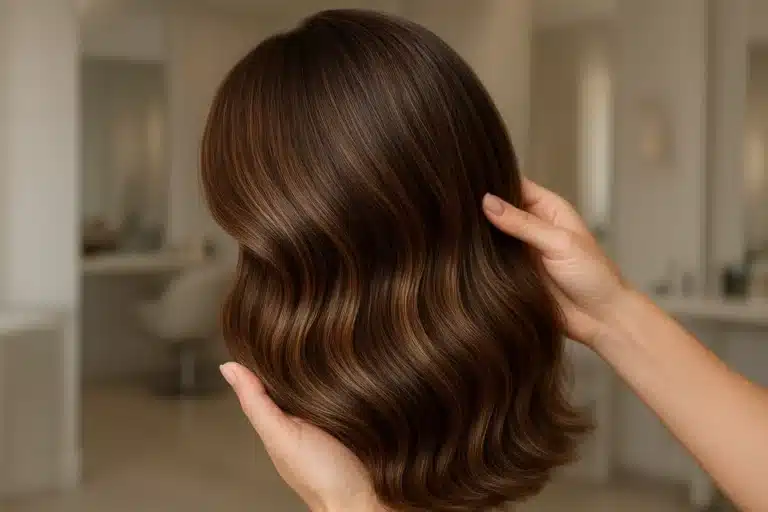
Imagine unboxing a stunning new wig. The color is exactly what you wanted, the length is gorgeous, but when you put it on… something just looks off. It feels heavy around your ears, the hairline looks a bit too perfect, and instead of feeling like your natural self, you feel like you’re simply wearing a hat. If you’ve ever experienced this moment of disappointment, take a deep breath. You haven’t chosen the wrong wig; you just haven’t customized it yet.
Many beginners assume that a high-quality wig is ready to wear the moment it arrives. However, the true secret to hair that moves, breathes, and looks like a natural extension of yourself lies in professional customization. Finding the best wig stores in Oklahoma City, OK isn’t just about browsing beautiful products—it’s about connecting with skilled stylists who understand the highly specific art of cutting, thinning, and color matching. Let’s pull back the curtain on exactly what happens in the stylist’s chair to transform a standard wig into your signature look.
The “Wiggy” Myth: Why Out-of-the-Box Seldom Means Ready-to-Wear
To understand why customization is so vital, we first need to talk about hair density. When wigs are manufactured, they are typically constructed with about 150% hair density. In contrast, biological human hair naturally sits closer to 100% to 120% density.
This extra bulk isn’t a mistake—it’s highly intentional! Manufacturers give you more hair than you actually need so that a stylist has enough “canvas” to carve out a shape that perfectly frames your unique face. However, wearing a 150% density piece without thinning it out is exactly what creates the “bulky wig” problem, where the hair puffs out awkwardly at the sides or crown.
The Customization Toolkit: How Professionals Transform Your Look
Wig styling is a specialized trade. Taking a wig to a traditional hairdresser who lacks wig experience can sometimes lead to disaster, especially when working with synthetic fibers. Here is how professional wig stylists use their specialized toolkit.
Cutting and Thinning: Removing the Bulk
Professional wig styling isn’t just about taking off length; it’s about weight removal. Synthetic hair behaves entirely differently than biological hair. For example, using a standard salon razor on a synthetic piece can fray and ruin the fibers. Trained professionals use specific shears and texturizing techniques to carefully carve out bulk. This meticulous process is what creates beautifully layered, natural looking wigs that complement your bone structure rather than overwhelming it.
Color Matching and Gray Transitioning
A beautiful color in a photograph can sometimes look flat in real life. Beginners often don’t realize that a custom color wig usually requires professional “rooting” (adding a darker color at the base) or delicate lowlighting to mimic natural hair growth. A solid, uniform color from root to tip is a dead giveaway.
This technique is especially crucial for older individuals navigating a gray transition. A skilled stylist can blend subtle, multi-tonal dimension so that natural gray wigs look vibrant, sophisticated, and incredibly realistic.
Hairline Artistry: Plucking and the Four Finger Rule
A flawless hairline is the holy grail of wig wearing. Let’s talk about the “Four Finger Rule,” a common confusion point for beginners. A frequent mistake is pulling a wig too far down on the forehead. Generally, your natural hairline starts about four fingers’ width above your eyebrows. A stylist will help you map this out perfectly.
Beyond placement, stylists perform “plucking”—tweezing strategic hairs from the lace front to mimic a natural, beautifully irregular hairline. If the wig is made of human hair, they may also bleach the “knots” (the tiny dots where hair is tied to the lace) so the hair appears to be growing straight from your scalp.
Surviving Oklahoma Weather: The Local Styling Edge
Living in Oklahoma means dealing with unpredictable winds and varying humidity. A beautifully styled wig needs to withstand the elements without losing its shape.
Local OKC salons often utilize the “Steam Method.” By using professional-grade steamers, stylists can permanently “set” a style, wave, or part in heat-friendly synthetic hair. This sets the fibers in a way that withstands the wind, a clever trick that remains a mystery to most DIYers. Maintaining this resilience at home requires the right follow-up care, such as using the best hairspray for wigs to keep flyaways at bay during those gusty Oklahoma spring days without leaving a crunchy residue.
The “Natural Look” Scorecard
Before you leave the salon, or when evaluating your current wig at home, run it through this 5-point checklist:
- Hairline: Is it plucked to look slightly irregular, and does it sit at the natural four-finger mark above your brows?
- Shine: Does it have a healthy, natural luster, or does it have an artificial, plasticky glare? (A stylist can use dry shampoo or specialized powders to reduce synthetic shine).
- Density: Can you easily and smoothly tuck the hair behind your ear without it looking bulky?
- Movement: Does the hair sway naturally when you turn your head?
- Fit: Does the cap feel secure against your scalp without causing tension headaches?
The Consultation: What to Ask Your OKC Stylist
Empower yourself by knowing exactly what to discuss before the scissors come out. By understanding how customization services impact your wig’s fit and style, you transition from a simple buyer into an informed client.
When sitting down with a stylist, ask:
- “Are you experienced in thinning out synthetic/heat-friendly fibers?”
- “Will you cut and texturize the wig while it is on my head?” (A great stylist will do the majority of the shaping while you are wearing it, ensuring it fits your specific face shape).
- “Can you customize the lace front to match my skin tone?”
Frequently Asked Questions (FAQ)
Can I make a synthetic wig look real?
Absolutely. The realism of a synthetic wig comes down to density reduction (thinning), reducing artificial shine, and customizing the hairline. A professional can easily make a high-quality synthetic wig indistinguishable from biological hair.
Why is my wig too puffy at the ears?
This is the classic “out of the box” density issue. Wigs are made with excess hair. A professional will use thinning shears near the ear tabs to remove this bulk so the hair lays flat against your face.
What exactly is plucking a hairline?
Natural hairlines are rarely perfectly straight or dense. Plucking involves carefully tweezing hairs out of the lace front of the wig to create a slightly graduated, less dense hairline that mimics how natural hair grows.
Can I use my regular hairdresser to cut my wig?
Unless your hairdresser has specific training in wig customization and alternative hair, it is highly recommended to seek out a specialized wig stylist. Cutting wig fibers requires completely different techniques, tension, and tools than biological hair.
Your Next Steps
Your journey to hair confidence doesn’t end when you purchase a wig; it truly begins when you customize it. Take the time to seek out professionals who view wig styling not just as a haircut, but as a form of artistry. With the right cut, a tailored color match, and a beautifully plucked hairline, your wig will stop feeling like an accessory and start feeling like you.