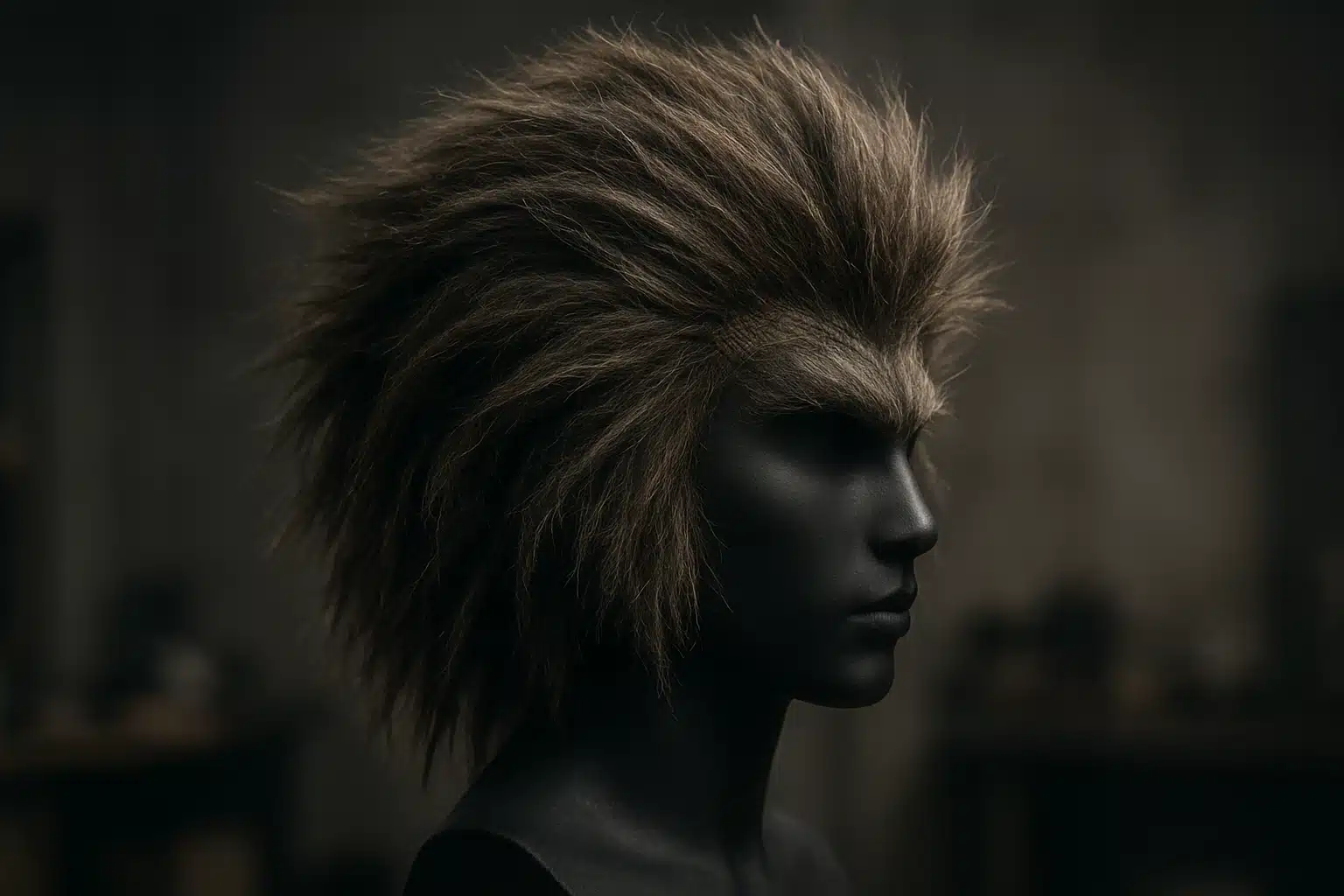
Imagine stepping onto a movie set and locking eyes with a towering, woodland creature. Its mane is wild, impossibly thick, and perfectly matted with moss. As an observer, you might just see magic. But as a creator or enthusiast, you know that achieving that level of otherworldly realism requires materials and techniques far beyond the scope of a standard salon. When it comes to designing for sci-fi, horror, and high fantasy, traditional rules of hair styling are completely rewritten.
To truly understand this craft, we have to look beyond standard human hair and everyday synthetics. When you explore the broader history and evolution of The Wig in Entertainment: Stage, Screen, and Performance Art, it becomes clear that theatrical and cinematic requirements often demand materials that would be entirely impractical for daily wear. Building a creature wig isn’t just about making hair look good; it’s an engineering marvel focused on texture, dramatic volume, and incredible structural integrity.
Grab a cup of coffee, and let’s pull back the curtain on the fascinating material science and elite industry secrets behind the world’s most iconic creature creations.
The Creature Canvas: Why Standard Rules Don’t Apply
If you’re crafting a wig for everyday wear, your primary goals are natural movement, a seamless hairline, and lightweight comfort. But what if your client is an Orc, an alien, or a mythical beast?
Suddenly, the “flaws” of everyday wigs become the exact features you need. Standard human hair is often too soft and refined to look believably “beastly.” Ordinary lace caps collapse under the sheer weight of fantasy styling. In the special effects (SFX) world, creators prioritize structural stability and hyper-specific textures over silky smooth movement.
The Anatomy of Fantasy Materials: What Makes a Monster?
Elite character designers don’t just pick hair off a shelf; they curate a highly specific blend of fibers. Here is a look at the unique materials that bring non-human characters to life.
Yak Hair: The Heavyweight Champion of Creature Wigs
If there’s a holy grail in the world of theatrical beast making, it’s yak hair. Unlike standard human hair, yak hair is incredibly coarse, highly textured, and possesses a remarkable “style memory.”
- Why it works: Because of its thickness, yak hair holds a permanent style beautifully, reacting perfectly to heat and steam. It also takes dye exceptionally well, allowing artists to create custom, otherworldly color palettes.
- Real-world magic: If you’ve ever marveled at the Grinch’s vibrant, fluffy green fur or Chewbacca’s iconic, towering mane, you were likely looking at masterful blends of yak hair, mohair, and angora.
Foam, Silk, and Structural Foundations
Fantasy wigs can easily weigh upwards of five pounds. Attempting to attach that much weight to a standard lace front would result in disaster. Instead, creators borrow techniques from historical wig making and modern cosplay.
- The Base: Heavy-duty foundations are often constructed using strips of strong linen and fine silk mesh to distribute weight evenly across the performer’s head.
- The Sculpt: For towering, gravity-defying styles, creators build internal “foam grids.” Carved upholstery foam provides the voluminous shape, which is then covered by an overlay of expensive animal or synthetic fibers. This keeps the wig lightweight enough for the actor to wear while looking impossibly massive.
Synthetic Hybrids: Blending for Perfection
Sometimes, the secret lies in the mix. By blending specialized animal fibers with high-quality synthetics—like Kanekalon—creators can achieve the perfect balance. The synthetic fiber provides a subtle, lifelike sheen, while the yak hair grounds the piece with realistic, coarse texture.
Building the Beast: Inside the Construction Process
Knowing your materials is only half the battle. How do you actually put them together?
The Hackle Technique
Before hair ever touches a wig cap, it must be prepped. Professionals use a tool called a “hackle”—a terrifying-looking block of metal spikes used to comb and blend different colors and textures of hair together. Using a hackle and specialized “drawing cards,” wig makers can perfectly integrate coarse yak hair with fine synthetics, creating a multi-dimensional, realistic pelt rather than a flat, single-color block of hair.
The “3-Hair Knot” Rule
In standard 4K film work, a wig maker might ventilate (hand-tie) a single strand of hair per knot at the hairline to make it utterly undetectable. But creatures require extreme density. Enter the “3-Hair Knot” rule. For fantasy creations, artists will often ventilate three or more hairs per knot, focusing heavily on directional flow to mimic the natural growth patterns of animal fur rather than human hair.
Weathering, Realism, and Common Traps
A perfectly clean monster isn’t a scary monster. To make creature wigs look lived-in, artists use a process called “weathering.” This involves SFX paints, specialized dirt powders, and mattifying agents to dull the unnatural shine of synthetic fibers.
The Ultimate Beginner Mistake: Do not use fabric softener on creature wigs! While a common cosplay hack for detangling cheap synthetic wigs involves soaking them in diluted fabric softener, doing this to a beast wig is a disaster. Fabric softener strips away the coarse, wild texture you just spent hours building, leaving your terrifying werewolf looking more like a freshly groomed poodle.
The Fantasy Fiber Matrix (Mental Cheat Sheet)
If you are planning your own fantasy build, keep this quick material matrix in mind:
- Human Hair: High realism, low volume. Best for humanoid characters.
- Yak Hair: High coarseness, excellent style memory. Best for beasts, monsters, and heavy historical styles.
- Mohair/Angora: High fluff, very lightweight. Best for whimsical creatures and adding “halo” frizz.
- Synthetic (Kanekalon): High shine, melts with extreme heat. Best when blended with animal fibers for structural hybrids.
Frequently Asked Questions About Fantasy Wigs
What is yak hair used for in wigs?
Yak hair is primarily used in theatrical and SFX wigs to create coarse, textured, and voluminous hairpieces. Because it mimics the texture of facial hair and animal fur perfectly, it is the go-to material for Santa Claus beards, theatrical monsters, and high-end historical period wigs.
How do you build a wig base from foam?
To build a foam base, creators typically carve or heat-shape high-density EVA or upholstery foam into the desired structural shape (like giant horns or a towering beehive). This foam core is then hollowed out to fit over the wearer’s head, painted to match the hair color, and meticulously covered with wefts of hair using specialized adhesives or sewing techniques.
Can I dye animal hair for costumes?
Yes! One of the greatest advantages of animal fibers like yak or horsehair is that, much like human hair, they can be successfully dyed, bleached, and styled using heat. However, always run a strand test first, as the coarse cuticle takes color differently than human hair.
How do I stop non-human fibers from tangling?
Tangling is a natural part of working with coarse fibers, but it can be managed. Always brush from the tips upward using a wide-tooth comb. For severe tangles in animal fibers, specialized wig detanglers or a very light mist of leave-in conditioner can help, but remember to avoid anything that makes the hair too slick if you’re aiming for a beastly texture.
Continuing Your Creature Creation Journey
Whether you’re a budding special effects artist, a dedicated cosplayer, or simply an enthusiast fascinated by the magic of the movies, understanding the architecture of fantasy wigs changes how you watch your favorite films. The next time you see a mythical creature on screen, you won’t just see a monster—you’ll see the intricate dance of yak hair, silk mesh, and hand-tied knots that brought them to life.
The world of wig crafting is vast and endlessly creative. By continuing to explore the unique properties of these specialized materials, you’re taking your first true steps from casual admirer to master creator.