Have you ever scrolled through a high-fashion editorial spread or watched a superstar grace the red carpet and wondered, “How on earth did they achieve that gravity-defying hair?” It’s easy to look at these breathtaking, avant-garde styles and assume they are entirely modern inventions, dreamed up yesterday by a celebrity stylist. But the truth is far more fascinating.
Today’s most viral, jaw-dropping hair moments actually borrow heavily from centuries past. By examining the trajectory of wigs in modern fashion navigating trends from subculture to superstardom, we can see how the theatrical silhouettes of historical eras have been softened, modernized, and entirely reimagined. Let’s pull back the curtain on how classic wig styles are adapted for contemporary fashion—and how you can borrow these editorial secrets for your own look.
The Secret Weapon of the Red Carpet: Historical “Power Hair”
For a long time, the history of wigs was viewed through a strictly historical or theatrical lens. Wigs were either seen as rigid markers of social status in the 18th century or as highly technical costume pieces meant for stage actors and historical reenactors.
But a shift has occurred in the beauty world. We are moving away from strict “theatrical accuracy” and entering an era of “high-fashion editorial fantasy.” Modern stylists aren’t looking to create a museum replica; they are using historical silhouettes as foundational tools for bold self-expression.
Decoding the Big Three Eras
To understand modern editorial hair, you have to understand the three distinct eras that stylists constantly pull from:
- The Elizabethan Edge (16th Century): Known for its intense structure, tight curls, and dramatic framing of the face. In modern editorials, we see this reinterpreted as sculptural, geometric hairstyles that command attention.
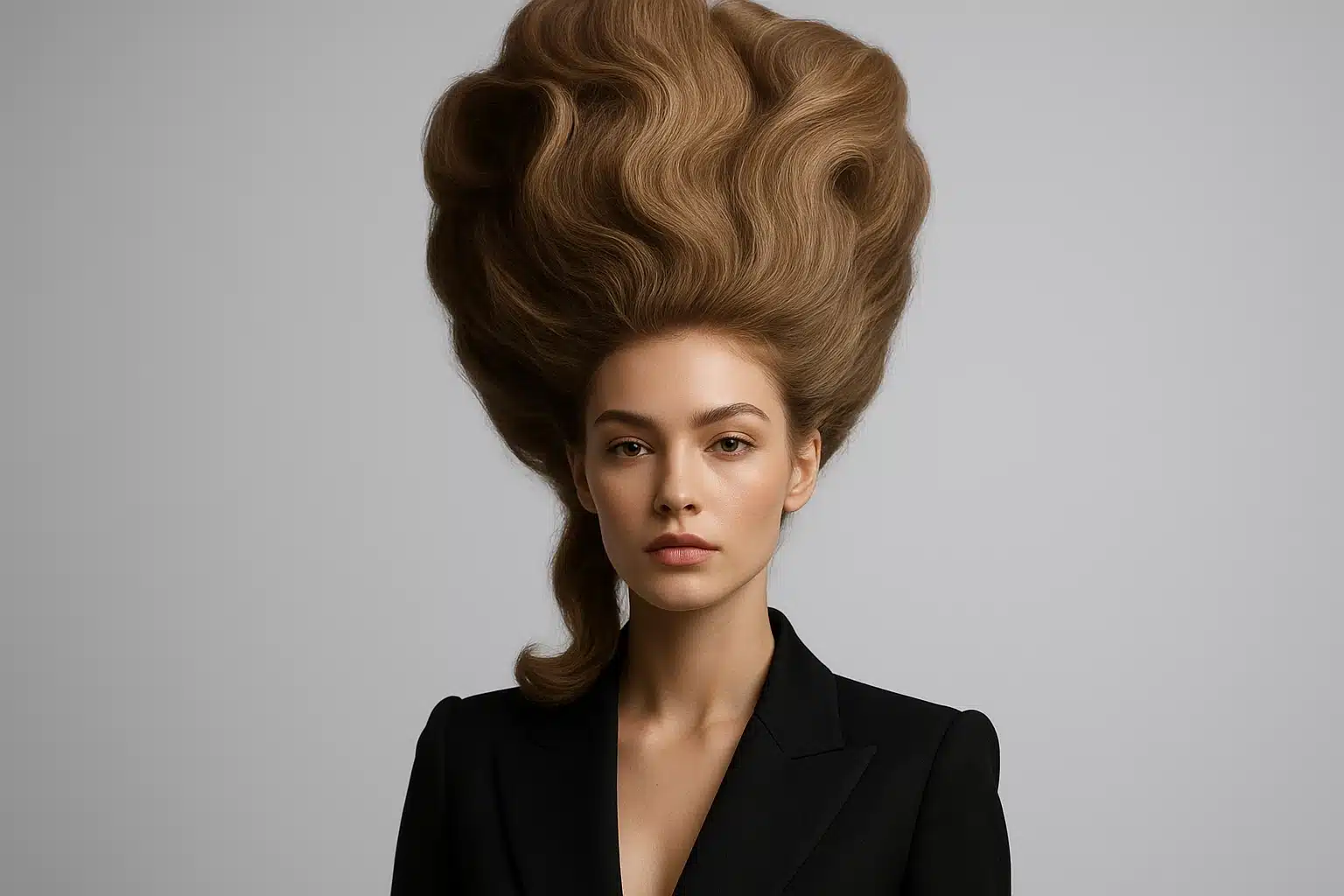
- The Modern Rococo (18th Century): Think of the towering “pouf” popularized by Marie Antoinette. Today, stylists achieve this not with messy powders and heavy pomades, but by taking gorgeous, voluminous textures—like a deeply textured curly wig—and building upward. It’s a stunning cross-cultural fusion that honors the height of the 1770s while celebrating natural modern textures.
- The Neo-Victorian (19th Century): The Victorian era was all about volume at the back of the head, cascading chignons, and face-framing waves. If you look closely at today’s viral “Clean Girl” aesthetic or soft, romantic wedding updos, you are looking at a modernized Victorian silhouette.
Bridging the Gap: The “Hybrid” Method
One of the biggest missing pieces in hair education today is what we call the “Hybrid Method.” Most tutorials either teach you how to make a perfectly flat, everyday style, or they teach you how to build an exact replica of a 1700s powdered wig. But the magic happens in the middle.
How do you take a vintage silhouette and make it Vogue-ready? The answer is asymmetry and texture.
Historical styles were notoriously rigid and perfectly symmetrical. Modern fashion wins by introducing “soft romance” and intentional messiness. Using premium human hair wigs allows stylists to seamlessly blend these eras because the hair moves, falls, and reacts to styling exactly as natural hair would, bringing a lifelike softness to structured historical shapes.
Mastering the “Undetectable” Myth
A common hurdle for anyone venturing into wigs—whether for daily wear or creative styling—is the fear of the hair looking “fake” or overly costume-like. This is especially true when attempting styles with a lot of volume.
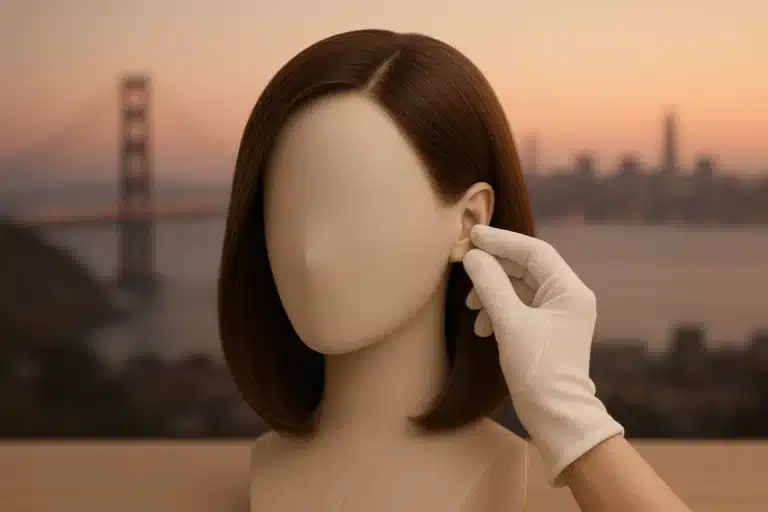
The “aha” moment for modern editorial styling comes from blending the hairline flawlessly. This is where the magic of lace front wigs comes into play. By using the “four-finger rule” (placing the wig exactly four fingers above your eyebrows) and utilizing the delicate lace to mimic a natural scalp, even the most avant-garde, towering hairstyle looks as though it’s growing right out of your head.
The Modern Stylist’s Toolkit: Prepping for High-Stress Styling
Reinterpreting historical styles requires a modern toolkit. You don’t need to boil animal fats or use heavy flours like they did in the 1700s. Today’s material science gives us dry texturizing sprays, strong-hold workable hairsprays, and root-lifting powders that achieve the “powdered” matte look without the 18th-century mess.
If you are working with alternative hair fibers, proper prep is vital. Understanding the basics of synthetic wig care—especially heat protection and fiber memory—is crucial before you start teasing and pinning. Interestingly, when building gravity-defying looks for galas and photoshoots, many editorial stylists actually prefer high-quality synthetic wigs. Why? Because synthetic fibers can have their shapes “baked in” with steam, allowing a towering Rococo-inspired updo to hold its shape perfectly under hot studio lights without falling flat.
Should I Cut My Wig? Embracing Deconstruction
One of the most powerful concepts in editorial styling is “Deconstruction vs. Reconstruction.” You don’t always have to buy a wig that perfectly matches the era you’re going for. Often, the best looks come from taking a standard, long wig and creatively pinning, padding, or even cutting it to create a new silhouette.
Don’t be afraid to alter your pieces! Thoughtful wig maintenance, including trimming layers or thinning out bulk, can completely change how a wig behaves, transforming a heavy piece into a breezy 1920s bob. If you love the idea of a modernized historical look but feel intimidated by the scissors, seeking out professional wig maintenance can give you that flawless, custom editorial cut without the stress of doing it yourself.
Frequently Asked Questions (FAQ)
How do I make a historically inspired wig look modern and not like a Halloween costume?
The key is breaking the symmetry. Historical wigs were perfectly balanced. To modernize a look, pull down a few face-framing pieces, create a slightly off-center part, or use modern, touchable styling products instead of stiff, heavy gels.
Can I use modern products on my wig to achieve a vintage “powdered” look?
Yes! Dry shampoos and modern texturizing powders are fantastic for achieving that matte, slightly “dusty” historical look without damaging your wig. Just ensure you are washing the wig properly afterward to prevent product buildup.
What is the “height-to-width ratio” in wig styling?
This is an editorial styling checkpoint. If you are building hair UP (like a Rococo style), you need to ensure the sides aren’t too wide, which can round out the face. Conversely, if you are doing a wide Elizabethan style, keep the top relatively flat to maintain a flattering, high-fashion silhouette.
What do stylists put inside wigs to make them so tall?
Historically, they used “rats” (pads made from saved hair) or wire frames. Today, stylists use lightweight foam inserts, mesh donuts, or deeply teased synthetic hair pads pinned underneath the wig to create weightless volume.
Your Own Editorial Journey
Historical wigs are no longer confined to history books or theatrical stages. They are the unseen foundation of today’s most exciting beauty trends. By understanding how the structured curls of the 16th century or the sweeping chignons of the 19th century translate into modern fashion, you open up a whole new world of personal style.
Whether you’re looking to turn heads at a formal event or simply want to understand the artistry behind your favorite magazine covers, remember that every great look starts with a quality foundation. Don’t be afraid to experiment, blend eras, and turn your hair into your own personal masterpiece.