Experiencing hair loss due to chemotherapy, alopecia, or an autoimmune condition is an emotionally taxing journey. Finding a beautiful hair alternative often feels like a triumphant moment of reclaiming your identity—until you put it on. For many, that initial joy is quickly overshadowed by an intensely itchy, burning scalp that makes wearing a wig feel like an endurance test.
While everyday shoppers might find exactly what they need by browsing the standard wig shops in San Francisco, individuals with highly sensitive, medically compromised scalps require a completely different approach. If your scalp is reacting poorly to standard fashion wigs, it’s not just in your head, and you don’t just have to “tough it out.” There is fascinating science behind why this irritation happens, and more importantly, there is a blueprint for finding hypoallergenic, medical-grade comfort right here in the Bay Area.
The Science of the “Itchy Wig”: What’s Really Happening?
When your scalp feels like it’s on fire underneath a wig, your skin is likely reacting to two distinct triggers: chemical friction and physical friction.
The Hidden Chemistry: The Alkaline Wash
Here is one of the biggest “aha!” moments for first-time wig wearers: many synthetic wigs are coated in a chemical preservative. During manufacturing, budget-friendly synthetic fibers are treated with an alkaline base to make them heat-resistant and shiny.
While this makes the hair look great on a mannequin, that chemical residue transfers directly onto a bare, sensitive scalp. This causes contact dermatitis—an intense allergic reaction that results in redness, stinging, and an unrelenting itch.
The Physics of Friction: Cap Construction Matters
Standard fashion wigs are often built using machine-made wefts—rows of hair sewn together by machine. In these basic caps, exposed thread knots and coarse lace scrape directly against your skin. When you combine this physical friction with trapped sweat, natural oils, and a lack of airflow, you create a perfect storm for scalp psoriasis, eczema flare-ups, and severe discomfort.
The Anatomy of a Hypoallergenic Wig
Finding true relief means understanding the mechanics of a medical-grade wig cap. When searching for comfortable wigs for sensitive scalp needs, look for these specific structural elements:
The 100% Hand-Tied Cap
This is the gold standard for complete hair loss. Instead of thick, machine-sewn rows, every single hair is meticulously hand-tied to a soft, four-way stretch material. This eliminates heavy seams and creates a lightweight cap that molds perfectly to the shape of your head.
The Double Monofilament Top
You might hear the term “monofilament” thrown around, but the word “double” is non-negotiable for sensitive skin. In a standard monofilament wig, hair is tied to a sheer mesh, meaning the scratchy knots sit directly on your scalp. A double monofilament top adds an extra, ultra-soft layer of silk-like mesh underneath, perfectly sandwiching the itchy knots away from your skin.
Silk Bases (French Tops)
For the ultimate luxury and comfort, a silk base completely hides all knots between layers of soft silk. Not only does this mimic the exact look of natural scalp growth, but it also provides a frictionless interior.
Securing the Wig: Velvet vs. Silicone
How a wig grips your head is just as important as the cap itself, and your choice depends entirely on your biological hair:
- Medical-Grade Silicone: If you are completely bald, silicone-lined caps provide incredible vacuum-like suction, eliminating the need for tape or glue.
- Velvet Ear Tabs and Liners: If you still have biological hair, avoid silicone. Silicone will pull on existing hair and cause traction alopecia. Instead, seek out soft velvet bands that provide gentle security without pulling.
At-Home Remedies to Soothe and Protect
Even before you step into a specialty clinic, there are immediate steps you can take at home to improve your wig-wearing experience.
The Apple Cider Vinegar (ACV) Soak
If you suspect an alkaline coating on your synthetic wig is causing contact dermatitis, you can neutralize the chemicals with a gentle bath.
- Mix 1 part warm water with 4 parts Apple Cider Vinegar.
- Submerge the synthetic wig and let it soak for 15 to 20 minutes (you may actually see a white film lift off the hair!).
- Rinse thoroughly with cold water and wash with a gentle, wig-safe shampoo.
The Barrier Strategy: Wig Liners
Never underestimate the power of a great barrier between your scalp and your wig.
- Bamboo Viscose: The ultimate sensitive scalp hero. Bamboo is naturally hypoallergenic, anti-microbial, and moisture-wicking. It actively regulates temperature, making it a lifesaver for chemotherapy-induced hot flashes.
- Silk: Best for protecting any remaining biological hair from friction-induced breakage.
- Nylon: Avoid nylon caps. They trap heat and sweat, creating a breeding ground for bacteria that will only worsen irritation.
Finding Specialized Relief: San Francisco Medical-Grade Providers
Rather than walking into a standard beauty supply shop, individuals dealing with medical hair loss need a trauma-informed, private consultation space. The Bay Area is home to several elite specialists:
- Studio Hair Prosthetics & Wigs (Mission District): Located on 22nd Street, this studio operates on a private clinic model. They are a premier destination for trauma-informed consultations and high-end, hand-tied prosthetic systems designed specifically for medically compromised scalps.
- Hansen Fontana (Union Square): Operating since 1960 on Sutter Street, they are highly authoritative in bespoke custom-made cranial prosthetics. They are particularly valuable for long-term hair replacement and are experts at navigating Veterans Affairs (VA) insurance authorizations.
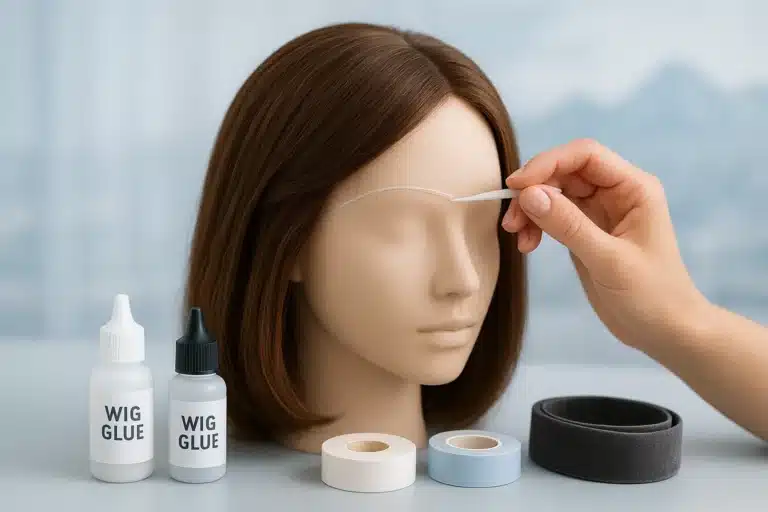
- Celebration Salon (Alamo/East Bay): Serving the greater SF area, they are renowned for the state-of-the-art Cesare Ragazzi CRLAB CNC 3D-printed hair system. This system uses dermatologically tested, medical-grade polymer bases ideal for scarring alopecia and highly sensitive skin. If your customized system requires bonding, these local specialists will ensure you are matched with a premium hypoallergenic wig glue to prevent any chance of skin irritation.
The Insurance Playbook: Navigating Coverage in California
A major hurdle for beginners is realizing that a medical-grade wig shouldn’t be billed as a “wig.” In the medical and insurance world, it is called a “Cranial Hair Prosthesis.”
To potentially secure 50% to 100% reimbursement from California health insurers, follow these vital steps:
- Get a Prescription: Have your oncologist or dermatologist write a prescription specifically for a “Cranial Hair Prosthesis.”
- Use the Right Terminology: The prescription must state that the prosthesis is “medically necessary.”
- Include the ICD-10 Medical Codes: Ensure your doctor includes the proper diagnosis code on your documentation (e.g., L63.9 for Alopecia Areata or C80.1 for Malignant Neoplasm).
- Submit Properly: You will typically need to submit the receipt along with an HCFA-1500 claim form to your insurance provider.
Frequently Asked Questions (FAQ)
Can I actually be allergic to my wig?
Yes. While true allergies to the synthetic polymers themselves are rare, allergic reactions (contact dermatitis) to the chemical alkaline wash used in manufacturing are incredibly common. An ACV soak often resolves this.
Are human hair wigs better for sensitive scalps?
It depends on your priority. Human hair is naturally more breathable than synthetic hair, which keeps the scalp cooler. However, human hair is heavier. For patients undergoing chemotherapy who may experience neck weakness, a premium, hand-tied synthetic wig might actually offer a more comfortable, lightweight experience.
How do I stop my scalp from sweating under my wig?
Ditch the cheap nylon wig caps immediately. Switch to a bamboo viscose wig liner, which acts thermodynamically to wick sweat away from your scalp, keeping you cool and preventing bacterial buildup.
Taking Your Next Step Towards Comfort
Navigating hair loss is challenging, but enduring physical pain from your hair replacement doesn’t have to be part of the process. By understanding the chemistry of synthetic fibers, the mechanics of double-monofilament caps, and the local resources available right here in San Francisco, you can find a solution that feels as good as it looks.
Take the time to evaluate your current wig, consider trying a neutralizing ACV wash or a bamboo liner, and don’t hesitate to reach out to local medical-grade professionals who understand exactly what your sensitive scalp needs. Comfort is out there—and you deserve to experience it.