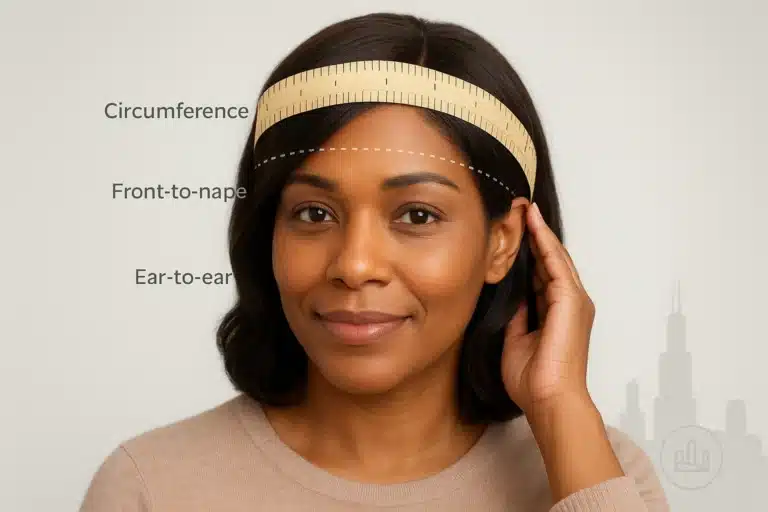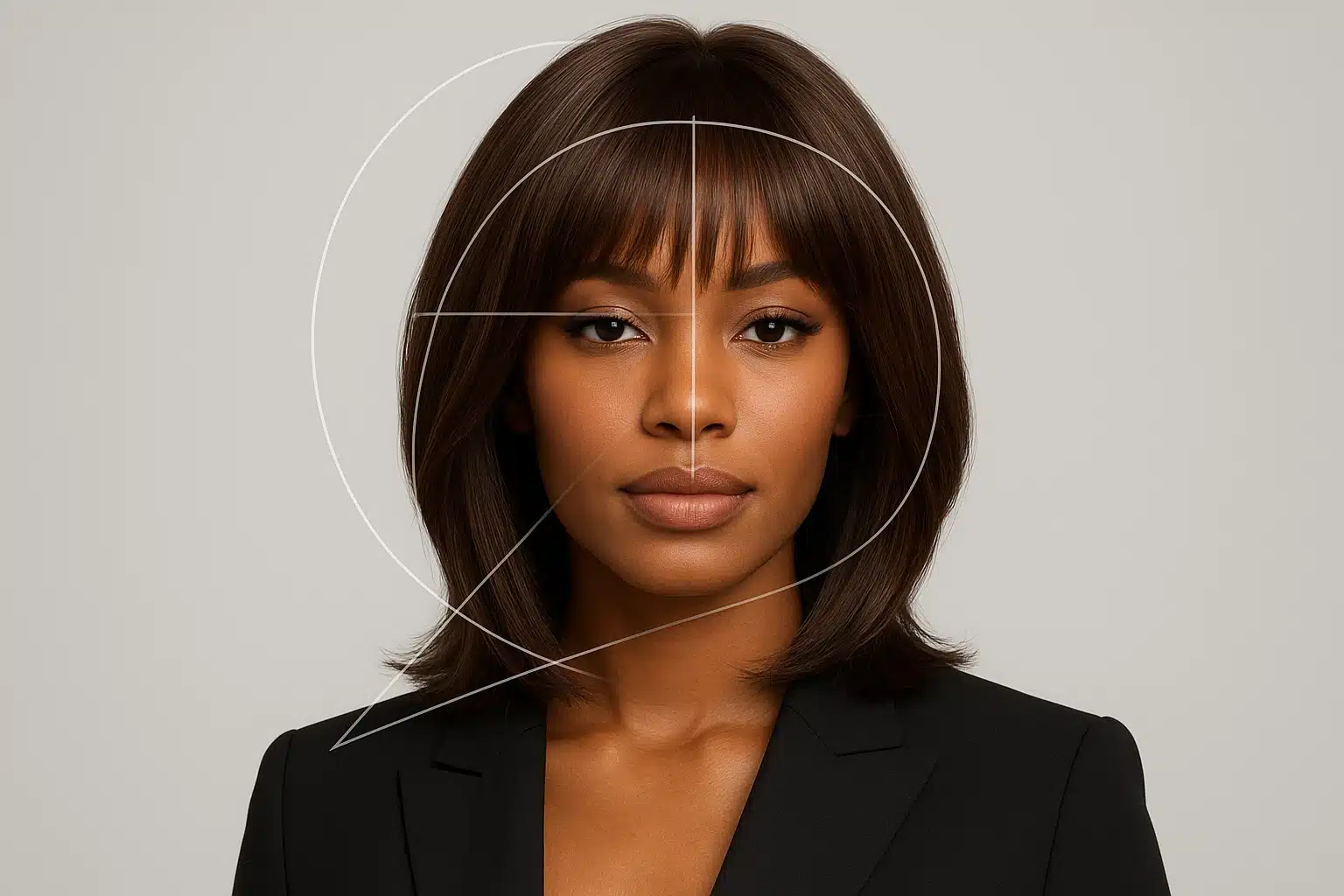
Have you ever wondered why a wig that looks stunning on a mannequin—or your favorite celebrity—doesn’t quite capture the same magic when you try it on? The secret usually isn’t the quality of the hair or the color; it’s geometry. Much like makeup contouring can highlight your cheekbones or slim your nose, the strategic placement of hair can completely alter how your face shape is perceived. It’s not magic; it’s an optical illusion created by lines and shadows.
When you begin your journey with wigs, it is easy to get overwhelmed by cap constructions and fiber types, but understanding the architecture of a hairstyle is just as vital. The right cut can soften a strong jawline, elongate a round face, or bring focus to your eyes. If you are looking for a comprehensive breakdown of the basics before diving into specifics, our Wig Styling for Your Face Shape: The Definitive Guide is the perfect starting point to understand your unique geometry.
The Science of Illusion: It’s Not Just Hair, It’s Art
Before we look at specific styles, we need to understand the tools in your kit: bangs and layers. Think of your face as a canvas and the wig as the frame. By adjusting the frame, you change how the picture looks.
The Vocabulary of Framing
To communicate with a stylist or choose the right pre-cut wig, you need to speak the language of texture:
- Bangs (Fringe): These create horizontal or diagonal lines across the face.
- Blunt Bangs create a hard horizontal line, instantly shortening the face and adding width.
- Side-Swept Bangs create a diagonal line, which draws the eye across the face, creating movement and breaking up symmetry.
- Wispy Bangs offer a softer, feathered look that allows the forehead to peek through, providing a frame without a heavy boundary.
- Layers: These create texture and remove weight.
- Face-Framing Layers curve inward toward the chin or cheekbones, acting as arrows that point to specific features.
- Graduated Layers are stacked to create volume, usually at the crown or back, which can change the silhouette of the head shape.
The 4 Principles of Optical Illusion
- Vertical Lines Elongate: Long, straight layers draw the eye up and down, making a face appear slimmer and longer.
- Horizontal Lines Widen: Blunt cuts and heavy bangs draw the eye side-to-side, adding width to narrow faces.
- Diagonal Lines Soften: Asymmetrical cuts and side parts break up boxy shapes, softening angular features.
- Volume Balances: Adding hair volume where the face is narrow (like the jawline or temples) creates a sense of symmetry.
Matching Details to Your Face Shape
Once you understand the principles, you can apply them to your specific needs. The goal is rarely to “hide” your face, but rather to bring it into balance—essentially trying to create the illusion of an oval, which is considered the most symmetrical shape.
1. The Round Face: Creating Angles and Length
If you have a round face, the width of your cheekbones is roughly equal to the length of your face, and your jawline is soft.
- The Goal: You want to elongate the face and minimize width at the cheeks.
- The Strategy: Avoid blunt, heavy bangs, as these cut the face in half and accentuate roundness. Instead, opt for a deep side part with long, side-swept bangs. This creates a diagonal line that breaks up the circle.
- Layering Logic: Look for wigs with long layers that start below the chin. Layers that curl outward can also open up the face, whereas layers that curl inward at the jaw can accentuate roundness.
- Celebrity Muse: Think of the early styles of Taylor Swift or Selena Gomez—they often utilize side-swept fringe and height at the crown to lengthen their silhouette.
2. The Square Face: Softening the Edges
Square faces feature a strong, angular jawline and a forehead of similar width. It is a striking, powerful shape that looks incredible when softened slightly.
- The Goal: Soften the sharp angles of the jaw and forehead without hiding your strong features.
- The Strategy: Avoid center parts and straight, blunt bobs, which mimic the boxy shape of the face. Wispy, curtain bangs are your best friend here. They cut the corners of the forehead, creating a more oval appearance.
- Layering Logic: Face-framing layers that begin at the cheekbone and feather downward are excellent. They act as a soft curtain, blurring the sharp angle of the jawline. Soft waves and curls also introduce organic lines that contrast beautifully with angular features.
- Celebrity Muse: Blake Lively is the queen of using soft, flowing layers to complement a strong bone structure.
3. The Heart Face: Balancing the Canvas
Heart-shaped faces are wider at the forehead and taper down to a narrow, often pointed chin.
- The Goal: Minimize the width of the forehead and add volume (“weight”) to the jawline.
- The Strategy: Side-swept bangs work wonders here as well, but they should be kept light to avoid making the top of the head look heavy. Avoid short, choppy layers at the crown.
- Layering Logic: You want the volume to be at the bottom. A chin-length bob or a longer style with bottom-heavy layers fills in the space around the narrow chin, creating a balanced triangle.
- Celebrity Muse: Reese Witherspoon’s signature styles often feature a wispy fringe and layers that kick out at the chin/shoulder.
4. The Long (Oblong) Face: Adding Width
If your face is significantly longer than it is wide, with a high forehead and elongated chin, you fall into this category.
- The Goal: Shorten the appearance of the face and add horizontal width.
- The Strategy: This is the one shape where blunt, straight-across bangs are incredibly flattering. They instantly “cut” the length of the face.
- Layering Logic: Keep layers focused on the sides of the face to create width. Waves and curls are excellent for adding horizontal volume. Avoid long, straight, sleek styles with no layers, as these will drag the face down.
Pro Tips for Wig Wearers: Mastering the Cut
Styling bangs and layers on a wig is slightly different than styling biological hair. Because wig hair doesn’t grow back, many wearers are terrified to trim or style their pieces. However, most wigs are sold with extra length specifically so they can be customized.
Synthetic vs. Human Hair
- Human Hair Wigs: These behave just like your own hair. You can blow-dry bangs to give them lift or flat iron layers to make them sleek.
- Synthetic Wigs: These have a “memory.” If you buy a synthetic wig with straight, flat bangs, they will stay that way. If you want to change the direction of a part or add volume to the bangs, you must use steam or specific low-heat tools (if the fiber allows). Tip: If your synthetic bangs are too flat, using a wig-safe volumizing spray and teasing the root slightly can help lift them off the forehead.
The “Shake” Technique
Often, customers receive a wig, take it out of the box, put it on, and feel disappointed because it looks “flat” or “wiggy.” Layers need air! Always turn the wig upside down and give it a gentle but firm shake before wearing. This separates the fibers and allows the pre-cut layers to fall naturally, instantly making the style look more dynamic.
The Power of Customization
It is a common misconception that you must wear a wig exactly as it comes out of the box. If you find a wig with the perfect color and cap construction but the bangs are too long, take it to a stylist who specializes in wigs. A quarter-inch trim on a fringe can take a wig from “okay” to “absolutely perfect” for your specific face shape.
Frequently Asked Questions
Q: Can I cut bangs into a wig that didn’t come with them?
A: Yes, but proceed with caution. Because the hairline of a wig (especially non-lace fronts) can be thicker than a natural hairline, cutting bangs requires specific techniques to avoid them looking bulky. It is highly recommended to have a professional do this, especially for synthetic wigs.
Q: Do bangs make a wig look more natural?
A: Often, yes! One of the hardest parts of a wig to disguise is the front hairline. Bangs—even light, wispy ones—cover the transition between your skin and the wig cap, rendering the hairline invisible. This is a great “cheat code” for first-time wig wearers.
Q: I have a small forehead; can I still wear bangs?
A: Absolutely. Avoid heavy, blunt bangs which can close off your face. Instead, opt for a “curtain bang” or a very light, feathered fringe that starts further back on the head. This creates the illusion of a higher forehead while still providing the framing you want.
Conclusion
Bangs and layers are more than just hair trends; they are powerful tools for self-expression and confidence. By understanding how these details interact with your face shape, you can stop guessing and start choosing styles that highlight your best features. Remember, the “rules” of face shapes are just guidelines. The most beautiful wig is always the one that makes you feel like the best version of yourself.
Whether you are looking to soften a square jaw or add volume to a long face, there is a style architecture waiting to support you. Don’t be afraid to experiment with different lines and textures—you might just find that a simple shift in layers changes your entire perspective.