
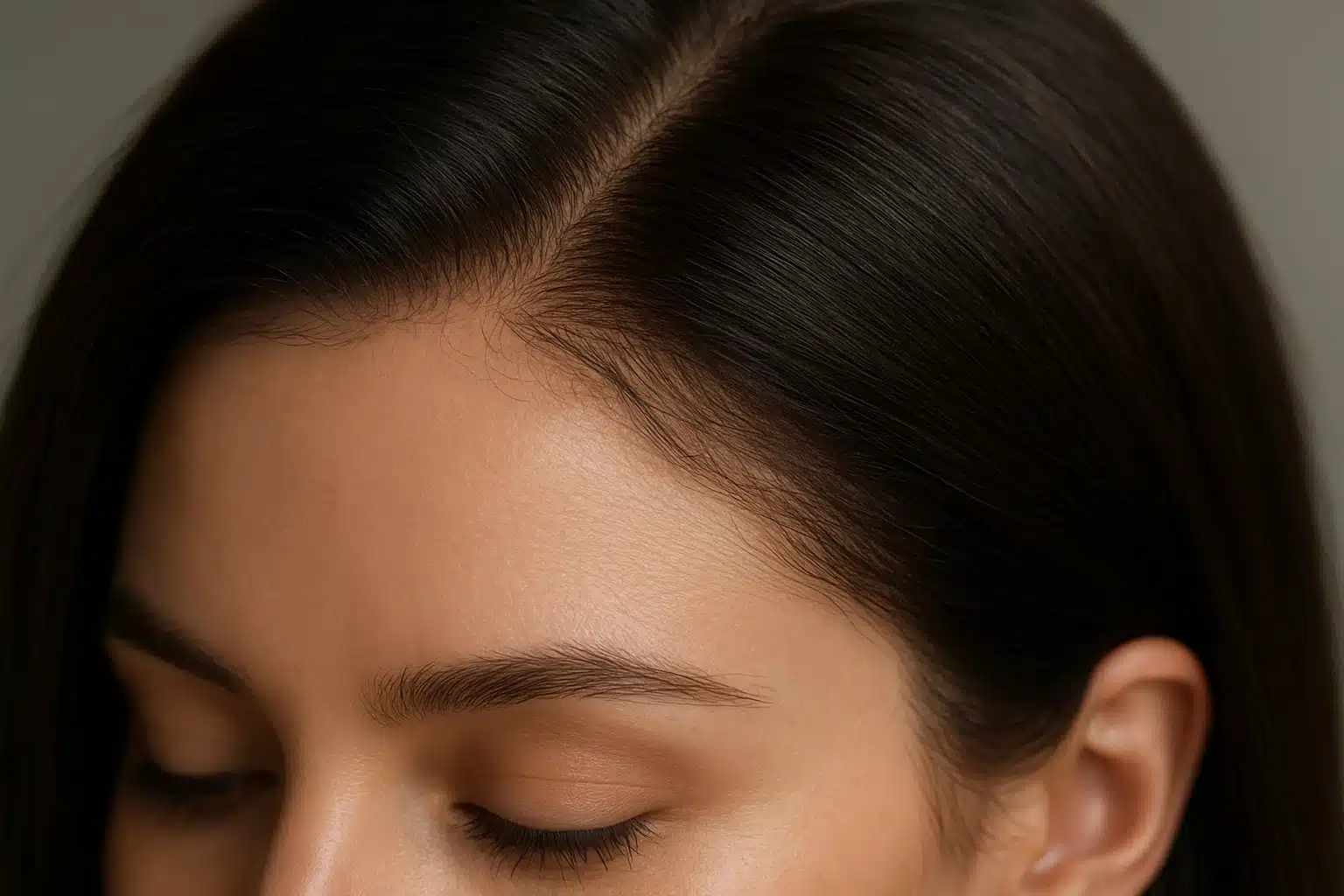
We need to talk about “detection anxiety.” If you are new to the world of alternative hair, you might not know the term, but you likely know the feeling. It’s that subtle hesitation before stepping out the door, wondering if the hairline looks “too perfect” or if the part line gives away your secret. For many, the journey isn’t just about finding hair; it’s about finding confidence.
The truth is, the difference between a wig that looks like a hat and one that looks like it’s growing from your scalp often comes down to microscopic details. While general retailers focus on volume and length, specialized wig stores prioritize the architecture of the hairline. Understanding the difference between standard manufacturing and specialized “ready-to-wear” engineering is the first step in curating a look that feels authentically you.
The Anatomy of an Undetectable Wig
To navigate this market effectively, you need to speak the language. The most realistic wigs rely on three specific manufacturing techniques. When you understand what these are, you can spot high-quality craftsmanship from a mile away.
1. The Pre-Plucked Hairline
In standard wig manufacturing, hair is often ventilated (tied) onto the lace cap in a uniform density from front to back. Imagine a dense forest that starts abruptly at a straight line—it looks artificial because nature rarely draws straight lines.
A pre-plucked hairline mimics the natural growth pattern of human hair. Specialized artisans remove hairs along the perimeter to create a gradual density transition. It starts “wispy” and thin, slowly becoming thicker as you move back. This graduation is crucial for those who want to wear their hair swept back off their face without revealing a harsh “wig line.”
2. Bleached Knots
This is often the holy grail for human hair wigs. When hair is tied to the lace base, it creates a tiny knot. On dark hair, these knots look like tiny black dots against the lace—and consequently, against your skin.
Bleached knots involve a chemical process where the knots at the hairline are lightened to blend with the lace. This creates the illusion that the hair is growing directly out of the scalp rather than being tied to a grid.
3. HD Lace (The “Melt”)
You will often hear the term “melting the lace.” This refers to High Definition (HD) lace, a material so fine and transparent that it virtually disappears when placed against the skin. Unlike standard Swiss lace, which is durable but visible, HD lace is designed for the ultimate “barely there” aesthetic.
The Realism vs. Longevity Paradox
Here is the “aha moment” that many retailers won’t tell you: There is a direct trade-off between extreme realism and durability.
As you research, you will find a distinct divide in the educational landscape. Some sources push for heavily bleached knots, while others advise against them. Here is the reality:
- The Bleach Factor: Bleaching is a chemical process. Just as bleaching your biological hair can cause breakage, bleaching the tiny knots on a wig weakens them. A wig with 100% bleached knots may look incredibly real, but it is significantly more prone to shedding over time.
- The Specialized Solution: Quality-focused stores often strike a balance. They may offer lightly bleached knots or focus on single knots (which are smaller and harder to see) at the hairline, transitioning to double knots (stronger) throughout the rest of the wig.
The Lesson: If you are looking for a daily workhorse wig that needs to last 12+ months, you might opt for unbleached or lightly bleached knots and use makeup to conceal them. If you need a wig for special occasions where undetectable realism is the only priority, fully bleached knots are the answer.
Scouting Your Source: What Defines a Specialist?
How do you know if you are browsing a generalist retailer or a specialized expert? Look for the technical breakdown in their product descriptions.
The “Single Knot” Secret
The most advanced feature in realistic wigs is the use of single knots at the hairline.
- Single Knot: One strand of hair tied to the lace. Tiny, undetectable, but delicate.
- Double Knot: Two or more strands tied together. Durable, creates volume, but visible.
A specialized retailer understands that the first inch of the hairline should always be single-knotted for realism, while the back should be double-knotted for longevity. If a store can’t tell you what kind of knotting technique is used, they may not be focused on high-fidelity realism.
Ready-to-Wear vs. DIY Projects
Some brands, particularly those targeting industry professionals, sell wigs that require significant customization (plucking, bleaching, tinting) after purchase. Others, like Simply Wigs or Hairvivi, focus on “Ready-to-Wear” experiences.
If you are a beginner, look for terms like “Pre-Cut Lace” or “Pre-Customized.” These units bridge the gap, offering the look of a custom-tailored piece without requiring you to become a hairstylist overnight.
Pro-Tips for the “Melt”: Mastering Your First Wear
Even the most expensive, specialized wig requires a little technique to look its best. Here are three industry secrets to elevating your look immediately.
1. The Zigzag Cut
When cutting excess lace, never cut in a straight line. A straight edge catches the light and creates a visible seam. Instead, use small scissors (like pinking shears or brow scissors) to cut a jagged, irregular line. This “zigzag” pattern confuses the eye and helps the lace blend into the natural texture of your skin.
2. The 4-Finger Rule
A common mistake for new wearers is placing the wig too far down on the forehead.
- The Rule: Place four fingers horizontally above your eyebrows. The hairline of your wig should typically sit right at the top index finger. This ensures proper framing of the face and prevents the forehead from looking unnaturally short.
3. The Makeup “Faux-Bleach”
If you are worried about the shedding risks of chemically bleached knots, you can achieve a similar effect with makeup.
- Technique: Turn the wig inside out. Apply a cream concealer or powder foundation that matches your skin tone to the lace at the parting and hairline. This masks the black knots from the inside, giving you the realistic look of bleached knots without compromising the hair’s integrity.
Frequently Asked Questions
Can you pluck a synthetic wig?
Generally, no. Unlike human hair, synthetic wigs are constructed differently. Plucking them can rip the lace or cause the foundation to unravel. However, high-quality synthetic wigs often come with “extended lace fronts” that are machine-engineered to mimic a plucked look.
Why is my realistic hairline shedding?
Shedding is often the cost of realism. If your wig has bleached knots, they are more fragile. To prevent this, avoid applying conditioner to the roots (which can loosen knots) and use a knot sealer spray to lock the hair in place.
Do I need glue for a realistic look?
Not necessarily. While adhesives provide the most seamless “melt,” many specialized wigs feature adjustable bands, velvet grips, or glueless lace technology that lays flat against the skin using tension rather than glue.
Can I bleach the knots myself?
While possible, it is risky. Over-bleaching can turn the roots orange or burn through the lace entirely. For beginners, we recommend purchasing a unit that is already customized or using the makeup concealer method described above.
The Path Forward
Finding the perfect wig is less about shopping and more about learning. By understanding the mechanics of pre-plucked hairlines, knotting techniques, and the balance between realism and durability, you are no longer just a customer—you are an informed curator of your own image.
As you explore different styles, remember that the “best” wig isn’t just the one with the highest specs; it’s the one that fits your lifestyle and makes you feel like the best version of yourself. Take your time, ask questions, and embrace the journey of discovery.






