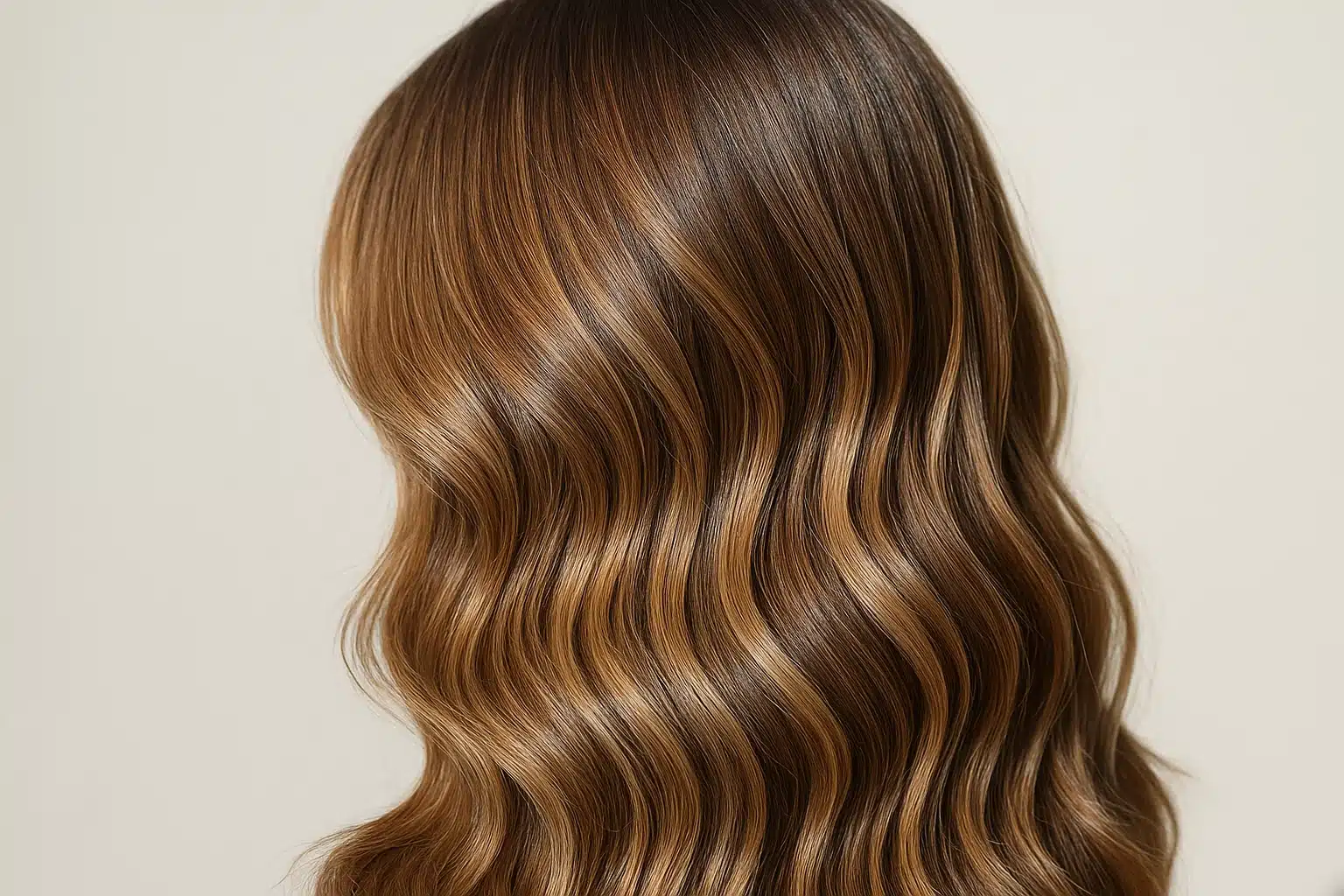
Imagine unboxing a gorgeous new wig. Inside your living room, the rich, medium-brown shade looks flawless. But the moment you step outside into the bright, 4,500-foot Utah altitude, the color suddenly looks brassy, flat, and noticeably artificial. What happened?
For many people navigating hair loss or simply exploring alternative hair fashion, the journey goes far beyond picking a cute style. If you are researching the best wig stores in Salt Lake City for a complete guide to finding your perfect match, you will quickly realize that the true secret to undetectable alternative hair is dimensional color. Biological hair isn’t just one flat shade—it’s a dynamic, dimensional mix of three to seven micro-variations. When a wig lacks this depth, it can end up looking more like a helmet than a natural head of hair.
Let’s crack the code on wig colors, custom blending, and how the unique climate of the Wasatch Front affects your alternative hair, so you can make the most empowered choice for your next piece.
The Wasatch Climate Challenge: Why Salt Lake City is Unique
Salt Lake City represents a unique environment for alternative hair wearers. While you might just be thinking about the color of your wig, your local climate is actively plotting against it.
Utah is known for high-altitude UV exposure, exceptionally dry mountain air with single-digit relative humidity, and harsh winter inversion particulates. These elements act as an accelerant for color degradation. Direct mountain sunlight causes rapid oxidation, fading warm brunettes into brassy oranges and turning cool blondes yellow. Meanwhile, the intense lack of moisture leads to static clumping and electrostatic cling, which causes synthetic fibers to matte together.
Understanding this environment is the first step to ensuring your custom-blended wig remains vibrant long after you leave the salon.
Cracking the Code on Wig Colors
Stepping into a boutique or browsing online can feel overwhelming when every wig tag looks like an algebra equation (e.g., 12FS8, RL19/23SS).
Numbers, Letters, and “Syrup Wigs” Explained
Looking at a standard wig color chart can feel like reading a foreign language, but the system is highly logical once you understand the foundation:
- The Numbers (1 to 60): The scale generally starts at 1 (Jet Black) and moves up to 60 (Platinum/White Blonde).
- The Letters (Dimension):
- R (Rooted): The wig has a darker root painted in to mimic natural growth.
- SS (Shadow Shade): A softer, melted root for a lived-in look.
- F (Frosted): Finely blended highlights throughout the base.
- T (Tipped): The ends of the hair are lighter than the base.
Then, there is the highly searched internet mystery: “What is a syrup wig?” Many beginners assume a “syrup wig” involves sticky adhesives or literal syrup. In reality, this is industry shorthand for Jon Renau’s beloved “Fashion Syrup” (FS) color line. A code like FS26/31 (Caramel Syrup) simply means the wig features multi-dimensional, high-contrast blonde and bronze highlights over a rich, warm base.
Synthetic vs. Human Hair Customization: The Chemical Reality
A common question we hear is: “Can I just take my wig to a salon and have them dye it to match my natural hair?” The answer depends entirely on the fiber chemistry.
When evaluating synthetic wigs, you are dealing with advanced plastic polymers (like modacrylic). These fibers lack the biological cuticle and natural melanin found in human hair. Because they are non-porous, traditional oxidative salon dyes will slide right off or, worse, the chemical heat will melt the fibers. Synthetic color must be engineered at the factory level—which is why choosing a high-quality, pre-blended dimensional palette is so vital.
On the other hand, 100% human hair wigs offer incredible versatility. High-end pieces—particularly Kosher wigs (Sheitels)—are typically crafted from virgin European hair. The “Kosher” designation refers to religious provenance, but in the wig industry, it has also become synonymous with exceptional, cuticle-intact craftsmanship. Because these pieces feature hand-tied, multi-directional skin tops, skilled local stylists can perform custom balayage, root smudging, and tonal blending just as they would on natural hair growing from a scalp.
Navigating the Local Salt Lake City Ecosystem
The Wasatch Front is home to several legacy boutiques that serve the hair loss and alternative hair communities with unique specialties.
Visiting local wig stores in salt lake city allows you to see how different fiber blends react under various lighting conditions—from warm indoor salon bulbs to the harsh reality of Utah daylight.
- Creative Wigs & Hair Replacement is known for full-service support, utilizing specialized in-house wig steam ovens to recondition and repair weathered pieces.
- Lynne’s Wig Boutique specializes in integrating hairpieces and multi-tonal blending toppers seamlessly with natural bio-hair for those experiencing progressive thinning.
- Headcovers by Joni focuses deeply on compassionate, medical-need framing, offering customized headwear and fitting support for oncology and alopecia patients.
These local resources excel at the physical fittings, but being an educated consumer before you sit in their chair ensures you get the exact dimensional color you need.
Busting Viral Internet Wig Myths
The internet is full of “DIY wig hacks” that are actively destroying beautiful hairpieces. Let’s put science behind the rumors.
The Danger of “Wig Soup”
Viral videos often show people soaking their frizzy wigs in a boiling pot of water and fabric softener—affectionately dubbed “wig soup.” Do not do this. Boiling water will permanently melt the elastic in your wig’s lace cap, dissolve silicone glues, and degrade synthetic fibers. Fabric softener coats the hair in a heavy waxy film that attracts dirt and ruins natural movement.
What Are “Popcorn Wigs”?
If the hair at the nape of your neck looks crimped, swollen, and fried, you have a “popcorn wig.” This isn’t a defect in the color or the brand; it’s caused by mechanical friction. In Utah, the constant rubbing of wig fibers against heavy winter coats, scarves, and car headrests creates heat and static, literally crimping the plastic fibers. Prevention requires specialized detangling sprays and anti-friction care, not chemical processing.
The “Sea Salt” Disaster
Because sea salt sprays add beautiful beachy texture to biological hair, people often spray them on their wigs. Unfortunately, sodium chloride crystallizes around synthetic polymers, creating an abrasive film that causes extreme tangling. On human hair wigs, salt strips away the delicate, factory-applied lipid coatings, causing severe dehydration and micro-fractures in the hair shaft. Keep the salt in the kitchen, not on your wig!
Your Pre-Consultation Checklist
Before you invest in a custom color piece, arm yourself with this checklist to ensure you’re getting exactly what you need:
- Check the Undertone: Hold the color swatch against your jawline in natural, outdoor lighting. Does the cool mountain light make it look ashy or warm?
- Define Your Needs: Are you looking for a piano blend (alternating high-contrast stripes) or a balayage (soft, melted ribbons of color)?
- Assess Your Lifestyle: Do you have the time to maintain a custom-dyed human hair piece with hydrating masks, or do you need the “wash-and-wear” memory of a pre-colored synthetic blend?
- Ask About Longevity: Ask your stylist how the specific fiber holds up against high-altitude UV fading.
Frequently Asked Questions
Can a salon tone a synthetic wig if the color is slightly off?
No. Synthetic fibers cannot absorb traditional hair dye or toners. If a synthetic wig is too shiny, dry shampoo or specialized wig powder can dull the shine, but the actual hue cannot be chemically altered.
Why does my wig look rich indoors but washed out outside?
Incandescent and warm LED lighting inside a salon creates the illusion of depth. Direct sunlight—especially at high altitudes—is intensely cool and bright, washing out flat colors. Always view a wig near a window with natural light before purchasing.
What is the difference between an off-the-rack color and custom blending?
Off-the-rack colors are factory-dyed. While many high-end brands offer beautiful dimensional blends, they are mass-produced. Custom blending involves a stylist taking a high-quality human hair wig and hand-painting roots, lowlights, and highlights to specifically flatter your skin tone and face shape.
***
With nearly two decades of experience in the industry, Wig Superstore believes that finding the right hair is about more than aesthetics—it’s about restoring confidence, dignity, and joy. By understanding the science of color dimension, fiber chemistry, and the reality of your local climate, you are no longer just shopping for a wig. You are curating your perfect look.