A medical diagnosis that leads to hair loss brings a unique kind of emotional weight. It isn’t merely about losing hair; it’s about losing a sense of normalcy and privacy when you look in the mirror. If you are beginning this journey, you aren’t just looking for a fashion accessory—you are looking for a clinical partner in your recovery.
Navigating the wig shops in Seattle can feel overwhelming during an already stressful time. Between deciphering insurance jargon, finding a location that offers discreet private consultation rooms, and understanding what materials won’t irritate your skin, the process can seem daunting. However, knowing exactly what to look for, what questions to ask, and how to measure your options can transform fear into a feeling of profound empowerment.
Demystifying Medical Hair Loss: More Than Just a Wig
Many beginners are surprised to learn that a medical wig is fundamentally different from a standard fashion wig. The difference isn’t just in the terminology; it’s in the construction, the materials, and the purpose.
What is a Cranial Prosthesis?
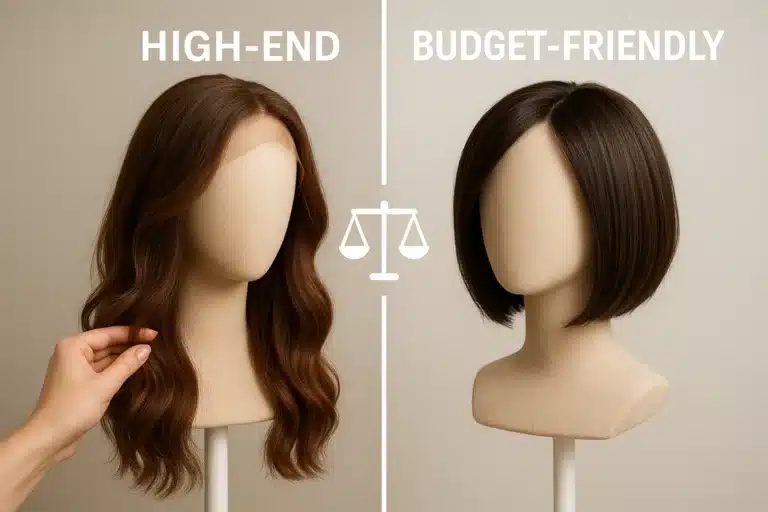
When dealing with medical hair loss, you should become familiar with the term cranial prosthesis. The FDA classifies these as medical devices, and for good reason. Standard fashion wigs typically use “open weft” caps—rows of hair sewn onto elastic bands. While budget-friendly, these materials can be incredibly scratchy and irritating to a scalp rendered highly sensitive by chemotherapy, radiation, or alopecia.
Medical-grade options, on the other hand, utilize “monofilament” caps or 100% hand-tied construction. In a monofilament cap, each hair is individually tied to a soft, breathable micromesh that perfectly mimics your natural scalp. It prevents friction, allows your skin to breathe, and protects your sensitive scalp from the unpredictable Pacific Northwest wind and moisture.
Decoding Your Options: Synthetic vs. Human Hair
When you step into a private consultation room, one of the first major decisions you’ll face is choosing the material of your hairpiece. While the natural instinct is often to assume “human hair must be better,” the reality of medical hair loss is much more nuanced.
We recommend using a simple treatment timeline strategy to make this choice:
- If your treatment timeline is under 6 months: Choose high-quality synthetic wigs. Why? Premium synthetic fibers have “style memory.” Even after washing, they pop right back into their original shape without the need for heat styling. When you are fatigued from medical treatments, a low-maintenance hair system is a true luxury. (Typical budget: $120 – $700).
- If your hair loss is long-term (1+ years): Human hair becomes a worthy investment. It offers the ultimate styling versatility, longevity, and natural movement. However, it requires the same washing, deep conditioning, and heat styling as biological hair. (Typical budget: $1,000+).
What to Expect During a Seattle Private Consultation
The best wigs Seattle boutiques have to offer come with a highly personalized, empathetic experience. A quality shop won’t just hand you a box; they will guide you through a deeply psychological transition inside a private, comfortable space.
Proactive Aesthetics and the “Transition Cut”
Many top-tier local experts advocate for a “Start Early” strategy. Visiting a specialist before significant hair loss begins allows them to expertly color-match and style-match your biological hair. Some compassionate shops even offer a complimentary head shave when the time comes, empowering you to take control of the process rather than waiting for hair loss to happen to you.
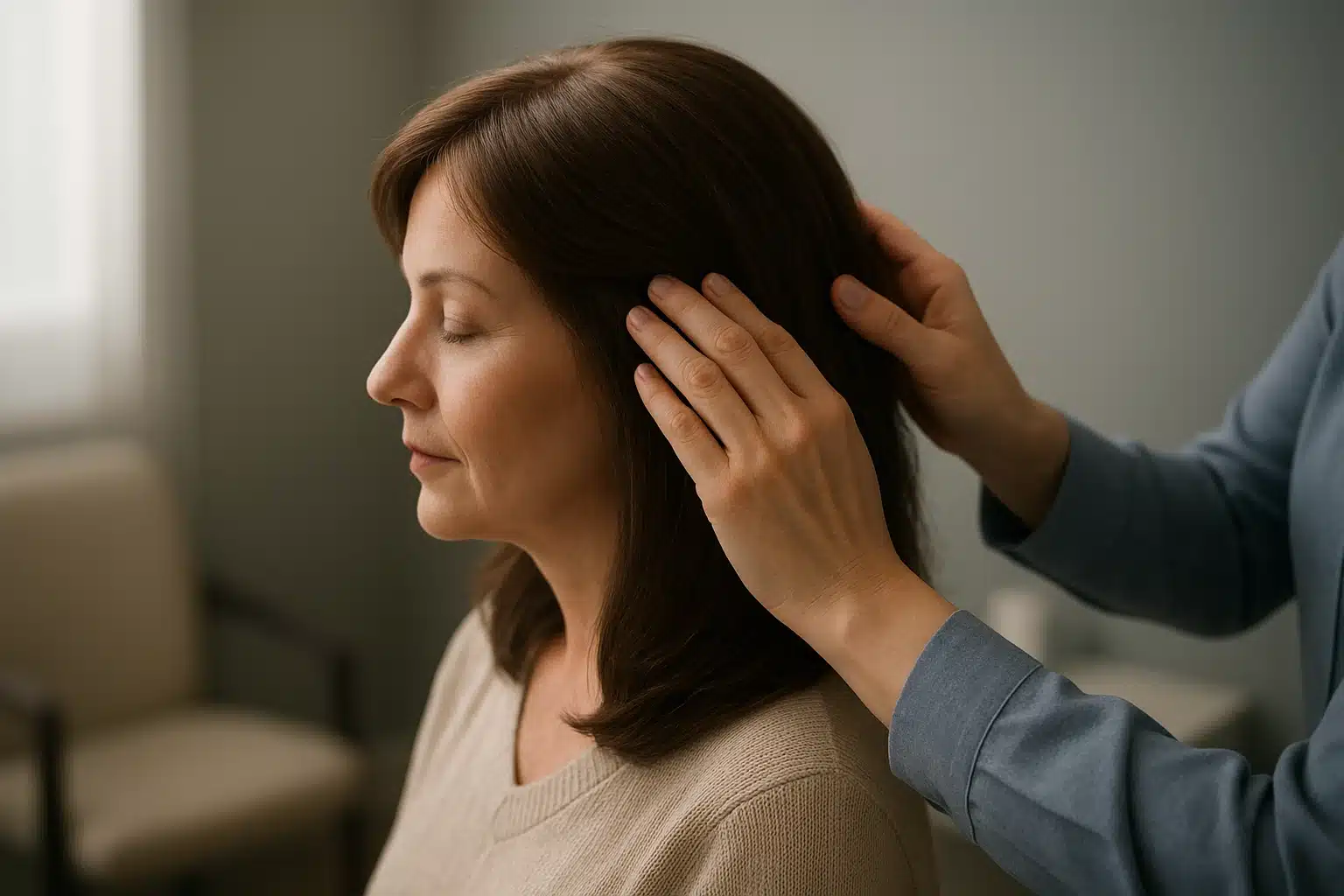
Once your piece is chosen, a skilled stylist will perform a “transition cut.” This involves cutting, thinning, and framing the wig while it is on your head, ensuring it matches your specific facial structure and bone density flawlessly.
The “Four-Finger Rule”
A common beginner mistake is pulling the wig too far down on the forehead, instantly making it look unnatural. During a professional fitting, specialists will teach you the “Four-Finger Rule.” Simply place four fingers flat horizontally across your forehead, resting just above your eyebrows. Your wig’s front hairline should start right at the top of your index finger. This simple trick creates an immediate “aha” moment for achieving perfect, natural placement every time.
Mapping the Seattle Landscape: Where to Go
The Seattle area features diverse options catering to different stages of the medical hair loss journey. Understanding the landscape can help you choose the right environment for your needs:
- Clinical & Hospital-Based Centers: Locations affiliated with major medical institutions (like Shine at Fred Hutch) excel in technical clarity. They understand clinical terminology, can advise on conditions like lymphedema, and are highly transparent about insurance processing.
- High-End Boutiques: Private studios focus heavily on the emotional and aesthetic journey. They specialize in custom coloring, premium human hair, and providing a spa-like environment for emotional relief.
- Accessible Personal Shops: Smaller, owner-operated shops demystify the cost barrier. They offer a deeply personal touch and provide practical advice on maintaining your wig against Seattle’s damp climate.
The Insurance Decoder: Claiming Your Cranial Prosthesis
Financial anxiety should never compound medical anxiety. Many patients don’t realize that insurance often covers some or all of the cost of a medical hair system. The secret lies in using the correct terminology.
When dealing with medical billing, never use the word “wig.” Instead, you need a prescription from your oncologist or dermatologist for a “Cranial Prosthesis.”
The Insurance Call Script:When calling your provider (such as Regence, Premera, or Aetna), ask: “Does my policy cover a cranial prosthesis for hair loss related to medical treatment under the cpt code for cranial prosthesis A9282?”
Always request an “in-network waiver” or “network gap exception” if there are no contracted medical wig providers in your network. This ensures you get the maximum reimbursement possible.
Frequently Asked Questions (FAQ)
Does health insurance cover hair loss treatment?
It depends heavily on your specific policy and the cause of your hair loss. While cosmetic hair loss (like male or female pattern baldness) is rarely covered, hair loss resulting from medical treatments like chemotherapy, radiation, or autoimmune conditions like alopecia areata often qualify for coverage under the cranial prosthesis benefit. Navigating whether does health insurance cover hair loss treatment is a complex process, so always verify your specific benefits using CPT code A9282.
What are the most comfortable wigs for sensitive scalp issues?
For scalps rendered sensitive by chemotherapy, 100% hand-tied monofilament caps are the gold standard because they eliminate scratchy wefts and hard seams. Additionally, wearing a bamboo or silk wig liner underneath your piece can provide an extra layer of soothing protection. Finding comfortable wigs for sensitive scalp conditions is paramount to ensuring you can wear your hairpiece all day without irritation.
What are the best wigs for chemo patients?
The best wigs for chemo patients are typically premium synthetic wigs with monofilament tops. They offer the most realistic look at the crown and parting area while requiring zero heat styling or intense maintenance. (Note: Be aware of “cooling cap” myths—cold caps are used actively during chemo infusion to prevent hair loss, whereas cranial prostheses are for those currently experiencing thinning or loss).
How do I keep my wig secure without hair?
If you have total hair loss, traditional wig clips can be irritating and ineffective. Instead, opt for velvet “wig grips,” which use soft friction to hold the cap securely in place without tension. For extra security, you can also use medical-grade, double-sided tape designed specifically for safe skin contact.
Your Next Steps
Navigating medical hair loss is a profound transition, but you don’t have to do it alone. By understanding the difference between fashion and medical-grade materials, knowing your insurance rights, and seeking out private, compassionate consultations, you can reclaim your reflection.
With nearly two decades of experience, Wig Superstore is dedicated to providing high-quality solutions and compassionate customer care to help individuals experiencing hair loss feel beautiful and confident once again. Whether you are researching your first synthetic piece or looking to invest in a hand-tied human hair prosthesis, education is your most powerful tool.