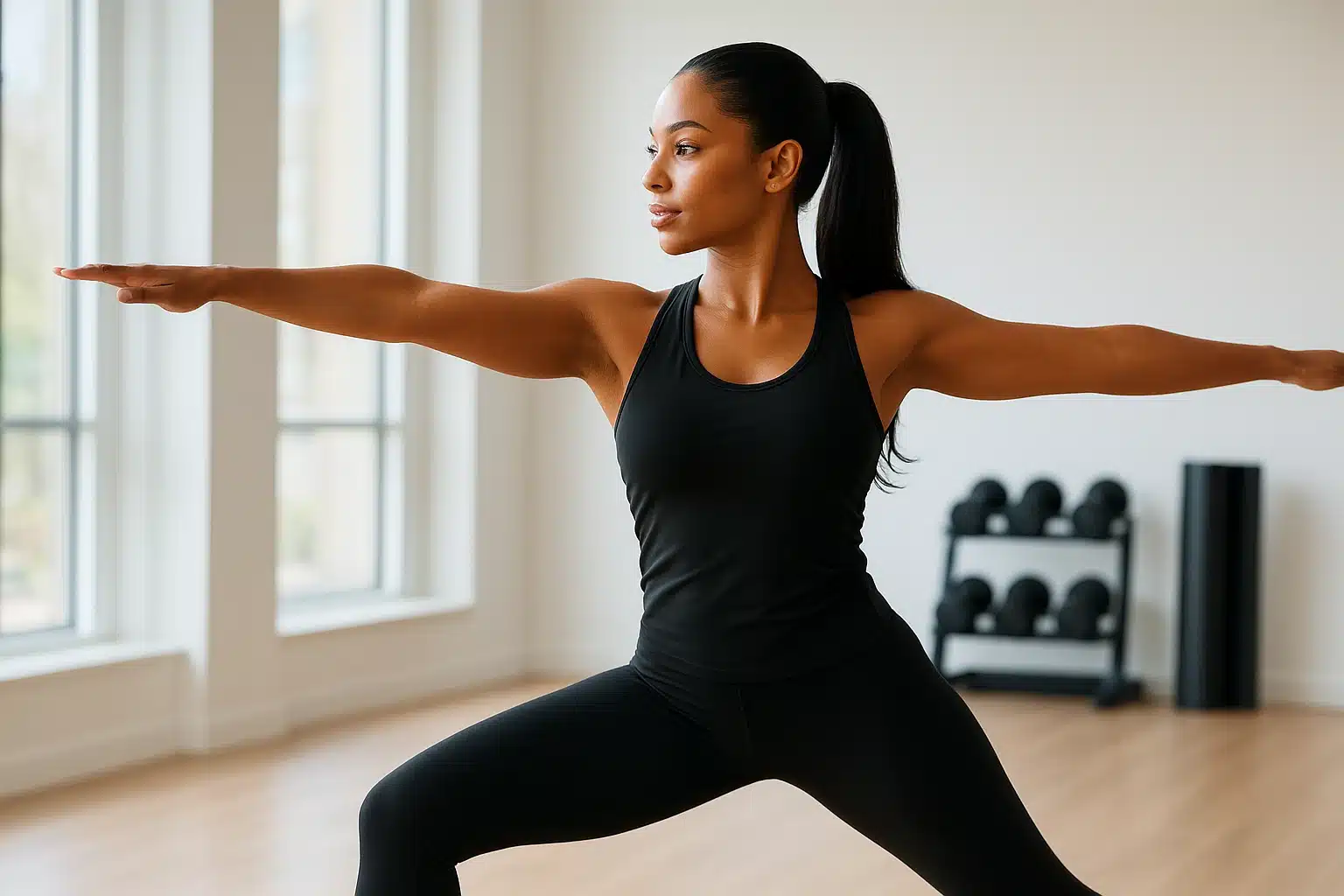
There is a specific, often unspoken moment of panic that many wig wearers experience: you are in the middle of a downward dog yoga pose or the intensity of a spin class peaks, and you feel a subtle shift at your hairline. For many, this fear is enough to discourage them from exercising in their unit, or worse, discourages them from exercising altogether. But the “gym slip” isn’t an inevitability; it is usually a result of applying general wig advice to specific high-performance situations.
Understanding how to secure your hair for an active lifestyle requires a shift in mindset—viewing your wig not just as a style accessory, but as wearable gear that needs to be fitted for movement. Before diving into the mechanics of gym security, it is helpful to understand the baseline construction of these units. For a deep dive into lace types and fiber behaviors, The Definitive Guide to Outre Wigs: From Melted Hairline to Perfect Curls offers a foundational look at what makes these caps unique. Once you understand the anatomy of the wig, you can master the physics of keeping it secure.
The “Anxiety Audit”: Why Glue Fails at the Gym
The most common mistake active wearers make is relying on standard adhesives for security during workouts. You might assume that “more glue means more security,” but biology dictates otherwise.
When you exercise, your body regulates temperature through perspiration. Sweat is not just water; it contains salts and oils that alter the pH balance of your skin. This change in chemistry breaks down the bonds of most water-soluble wig glues. Essentially, the harder you work out, the faster the adhesive dissolves, turning a secure bond into a slippery surface.
This is why we advocate for “mechanical security” over chemical security for active lifestyles. By utilizing the physical tension points of the wig cap rather than reliance on products, you eliminate the risk of chemical breakdown during high-intensity interval training (HIIT) or cardio sessions.
Why Outre is the Athlete’s Secret Weapon
While human hair is often touted as the “gold standard” in the wig industry, high-quality synthetic fibers—specifically the High-Tex heat-resistant fibers found in Outre wigs—are often superior for the gym.
- Weight Ratios: Human hair absorbs moisture from the air (humidity) and sweat, becoming heavier and denser as you work out. This adds drag and traps heat against the scalp. Synthetic fibers are non-porous; they remain lightweight regardless of how much you sweat.
- Style Memory: This is the “aha moment” for many gym-goers. After a 45-minute workout, human hair will likely frizz or revert to its natural texture, requiring extensive restyling. Outre’s synthetic fibers possess “style memory,” meaning the curl pattern or straight style bounces back to its original form once the fiber dries.
The 3-Point Fit System: Engineering Security
To achieve a slip-proof fit without glue, you must utilize the “3-Point Fit System.” This method uses the wig’s internal structure to create a tripod of stability.
1. The Anchor (The Nape)
Most slipping starts at the back, not the front. If the nape rides up, the hairline slides back. Ensure the adjustable straps at the nape are tightened before putting the wig on. The goal is snugness, not pain. If you can fit more than one finger under the strap, it is too loose for running or jumping.
2. The Stabilizers (The Side Combs)
Outre units, particularly the “EveryWear” and “Melted Hairline” series, come equipped with side combs. These should not just be slid in; they should be “scooped.” Insert the comb teeth pointing upward, catch your natural hair (or wig grip), and then flip the comb downward to lock it in place near your temples.
3. The Counter-Balance (The Top Comb)
The comb at the crown or front hairline acts as the final lock. However, be cautious here to prevent traction alopecia. Do not jam this comb directly into sensitive edges. Instead, place it slightly further back on your head, anchoring it into your wig cap or liner rather than directly against the scalp.
Sweat Management and Scalp Health
Security is only half the battle; the other half is comfort. Trapped sweat can lead to “wig acne” or irritation along the hairline.
The Double-Liner Method
For heavy sweaters, wearing a single nylon cap often isn’t enough. We recommend a moisture-wicking barrier. This is where choosing wig grips, adhesives, and liners becomes a strategic decision for your skin health.
Look for a velvet wig grip (which creates friction to stop slipping) combined with a bamboo or cotton liner. The bamboo absorbs moisture, pulling it away from the scalp, while the velvet grip locks the wig in place. This setup creates a breathable barrier that protects your biological hair from friction and your wig cap from sweat and oils.
The “Cool Down” for Your Wig
Just as you stretch after a workout, your wig needs recovery care.
- Air it Out: Never throw a damp wig into a box. Place it on a wig stand immediately to allow air to circulate through the wefts.
- The “Shake Test”: Once dry, give the wig a vigorous shake. This re-activates the synthetic fiber’s style memory and dislodges dried salts from sweat.
Frequently Asked Questions
Can I wear a long wig to the gym?
While possible, it isn’t practical. Long synthetic fibers can tangle due to friction against your back and sweat. If you prefer long styles, braid the hair into a low plait or a low bun to restrict movement and prevent tangling at the nape.
How often should I wash my “gym wig”?
If you workout daily, the standard “wash every 10-15 wears” rule changes. You should rinse your wig more frequently (every 6-8 wears) with cool water to remove salt buildup, which can corrode the cap material over time. However, deep shampooing can still be done on a standard schedule.
Is a headband wig better for working out?
For many, the “headband wig” or “half-wig” is the ultimate gym hack. It removes the lace from the hairline entirely, allowing your scalp to breathe and giving you full access to wipe sweat from your forehead without disturbing the wig.
Moving Forward with Confidence
Transitioning your wig wear into your active lifestyle is a journey of trial and adjustment. You don’t need to sacrifice your aesthetic to hit your fitness goals, nor do you need to compromise your workout intensity to save your hair. By understanding the mechanics of the Outre cap construction and respecting the science of sweat, you can move with absolute confidence.
If you are ready to explore styles that offer these security features, looking for units with “HD Lace” for breathability or specific “glueless” cap constructions is your next best step.