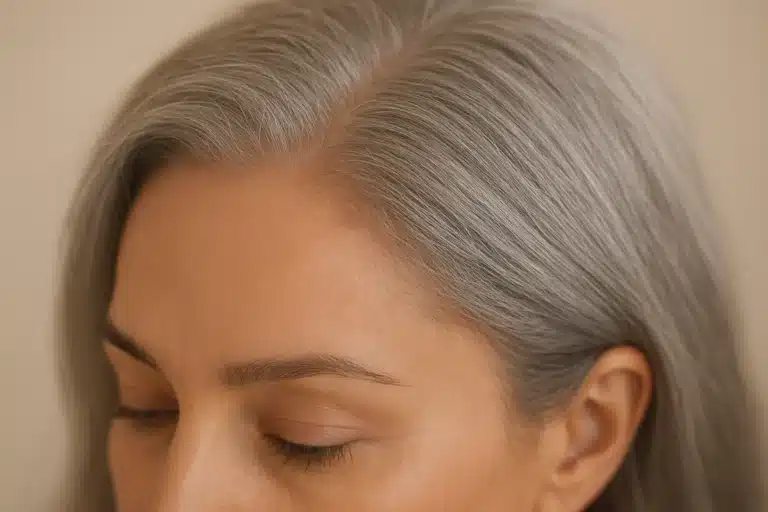
Living in Miami offers an incredible lifestyle—sun, sea, and culture—but any local will tell you it creates a unique set of challenges for your hair. If you’ve noticed your wig becoming frizzy, losing density, or feeling “heavy” after just a few weeks of downtown dining or beachside walks, you aren’t imagining things. The combination of salt air and intense humidity creates a harsh environment for both biological and synthetic hair fibers.
Before you resign yourself to buying a brand new unit every few months, it is vital to understand that many “ruined” wigs are actually excellent candidates for restoration. While finding the best wig stores in Miami ensures you start with high-quality construction, understanding how to maintain and repair that investment is what keeps you looking flawless year-round. This guide takes you inside the “restoration lab” to explain what is happening to your hair and how professional repair services can extend the life of your favorite pieces.
The Miami Challenge: Why the Climate is Hard on Hair
To understand repair, we first have to understand the damage. Miami averages between 75% and 85% humidity. For wig wearers, this isn’t just a comfort issue; it is a chemical one.
When human hair creates a halo of frizz, it is often because the hair shaft is swelling with moisture. In high humidity, the keratin proteins in human hair can transition into a softer, “gel-like” phase, making the hair significantly more susceptible to mechanical damage from brushing or styling.
For synthetic wigs, the enemy is friction. The humidity creates a tackiness on the skin and neck, causing the fibers to drag rather than glide. This friction generates heat, which causes the ends of synthetic fibers to crimp and frizzle—a phenomenon often mistaken for the hair “drying out.”
The Science of Professional Repair
Many wig wearers are surprised to learn that wig making is akin to fine tailoring. Just as a suit can be taken in or a hem repaired, a high-quality wig is constructed to be serviced. Here are the professional techniques that can resurrect a beloved hairpiece.
Re-ventilating: The “Hair Surgery” Solution
Have you noticed thinning around your part or hairline? This is normal wear and tear, but it doesn’t mean the wig is finished. Professional wig repair specialists use a process called re-ventilating.
Think of this as hair surgery. A specialist uses a tiny, hooked needle to hand-knot individual strands of hair back into the lace or monofilament base of your wig. This is meticulous work—often adding just 1 to 3 hairs at a time—to restore density exactly where it was lost.
Why consider re-ventilating?
- Cost-Efficiency: Re-ventilating a bald spot usually costs a fraction of the price of a new high-quality human hair unit.
- Customization: It allows you to fix “bald spots” or change the hairline shape to better suit your aging face or changing preferences.
Cap and Lace Repair
The lace front is the most delicate part of your unit. It is common for the lace to fray or tear, especially if you use adhesives regularly. Professional repair involves bridging these tears with fresh, fine lace, rendering the damage invisible.
The “Four-Finger Rule”To prevent lace damage before it happens, professionals recommend the Four-Finger Rule: When putting on your wig, never pull from the lace. Place four fingers inside the cap near the ear tabs to adjust the fit. This distributes the tension and saves your delicate hairline from tearing.
The Restoration Lab: Deep Conditioning & Revival
Repair isn’t always about needles and knots; sometimes, it is about chemistry. Professional wig maintenance goes far beyond a standard wash in the sink.
Reviving Human Hair
Human hair wigs lack the natural oils your scalp produces to keep biological hair hydrated. In the Miami heat, they can become brittle. A professional restoration involves a heat-activated protein treatment. Unlike standard conditioners that coat the hair, these treatments penetrate the shaft to rebuild structure. If you are trying to learn how to revive a human hair wig, remember that heat is often the catalyst that drives moisture into the cuticle.
Restoring Synthetic Fibers
Synthetic hair requires a completely different approach. Heat is usually the enemy here. Professional steaming is a delicate process where controlled steam is used to relax the friction-induced kinks in the fiber, smoothing them back to their original texture.
Maintenance Rituals: Combating the Salt Air
If you are wearing your wig frequently in Miami, you need a “Salt Air Shield” strategy. Salt is hygroscopic—it draws moisture out of everything it touches. If salt spray settles on your human hair wig, it will dehydrate the fibers rapidly.
The Maintenance Calendar
- Daily: Detangle gently using a wide-tooth comb.
- Weekly: Wash to remove sweat and salt buildup.
- Monthly: Deep condition human hair; use a steamer on heat-friendly synthetic fibers.
When performing your own synthetic wig care, avoid standard drugstore hairsprays. They often contain high alcohol content which, combined with the Miami sun, can degrade synthetic fibers in half the time.
When to Repair vs. When to Replace
How do you know if a visit to a repair specialist is worth the investment?
Consider Repair If:
- The hair quality is still good, but the density has dropped.
- There is a minor tear in the lace that affects the fit.
- The wig holds sentimental value or was a significant custom investment.
Consider Replacement If:
- The cap structure has lost its elasticity (the “stretch” is gone).
- Synthetic fibers have become severely matted or “fried” beyond the nape area.
- The cost of repair approaches 50% of the cost of a new unit.
Navigating the world of wigs miami offers plenty of options, but understanding the lifecycle of your hairpiece empowers you to make smarter financial decisions.
Frequently Asked Questions
Can all wigs be re-ventilated?
Most high-quality handmade or hand-tied wigs can be re-ventilated. Machine-wefted wigs are more difficult to add hair to because of their construction. A professional consultation is usually required to check the integrity of the base material.
Is it true that Dawn dish soap is good for wigs?
This is a common myth. While dish soap is excellent at removing oil, it is too harsh for human hair wigs and will strip them of moisture, leading to tangling. For synthetic wigs, it can be used sparingly to remove heavy product buildup, but dedicated wig shampoos are always the safer choice to preserve fiber longevity.
How much does wig repair cost in Miami?
Prices vary by provider and the extent of the damage. Generally, re-ventilating is charged by the area (e.g., per square inch) or by the hour. Simple repairs might start around $50, while extensive density restoration can range from $150 to $300.
My wig is frizzy after one week in Miami. Is it ruined?
Likely not. If it is synthetic, it is probably friction frizz. A professional steam treatment can smooth this out. If it is human hair, it likely needs a deep conditioning treatment to combat the humidity-induced swelling.
Conclusion
Your wig is an extension of your personality and confidence. Living in a high-humidity environment like Miami doesn’t mean you have to sacrifice a good hair day; it just means you need a slightly more robust strategy. By combining home care rituals with professional repair services like re-ventilating, you can double the lifespan of your favorite pieces.
Don’t let a little frizz or a thinning part discourage you. With the right care, your hair can stand up to the heat just as well as you do.