Imagine finally finding the perfect wig. It matches your skin tone flawlessly, frames your face beautifully, and most importantly, it gives you back your confidence. For many, a premium human hair wig is a significant financial and emotional investment. But what happens after a year of navigating harsh New England winters and humid summers? When the lace starts to fray or the crown begins to thin, your first instinct might be to panic—and then to throw it away.
Navigating the landscape of local hair solutions can be daunting, which is why identifying the best wig stores in Boston is the first critical step toward finding a unit and a technician you can trust. But buying is only the beginning of your journey. Extending the lifespan of your piece through professional repair and restoration is the vital next phase, transforming how we view hairwear from disposable “fast fashion” into sustainable, long-term investments.
If you are navigating hair loss, understanding how to save your favorite wig is just as important as knowing where to buy it. Let’s dive into the fascinating world of wig restoration and explore how to keep your hair looking flawless, season after season.
The Investment Mindset: Why Restoration Makes Sense
The Boston market is home to incredible high-end retail boutiques and salons, yet there remains a massive educational vacuum when it comes to wig maintenance. While global e-commerce sites offer DIY “how-to” tutorials, high-investment units require professional-grade care that you simply can’t achieve at your kitchen sink.
The Medical Necessity Pivot
Boston is a global medical hub. For patients undergoing treatments at institutions near the Longwood Medical Area, such as Dana-Farber or MGH, a wig isn’t an accessory—it’s a daily necessity. These individuals require high-performance, long-term hair solutions. Relying on a cycle of constantly replacing worn-out wigs is not only incredibly expensive but emotionally exhausting. Restoration offers a reliable, comforting alternative: keeping the hair you already love.
The Cost of Repair vs. Replacement
Let’s talk numbers. A high-quality, 100% human hair wig can cost anywhere from $1,000 to over $3,000. When it starts shedding, replacing it feels like a heavy financial blow. Professional restoration, however, typically operates on a fraction of that cost. For example, standard industry pricing for adding new hair to a thinning wig (re-ventilation) often ranges between $120 to $150 per square inch. Investing $300 to restore the crown of a $2,000 wig isn’t just smart—it’s essential for your peace of mind.
Diagnostic Guide: Is Your Wig Fixable?
When your wig shows signs of wear, how do you know if it’s bound for the trash or perfectly salvageable? Here is a breakdown of common damage and the professional solutions available.
The “Aha!” Solution: Wig Re-ventilation
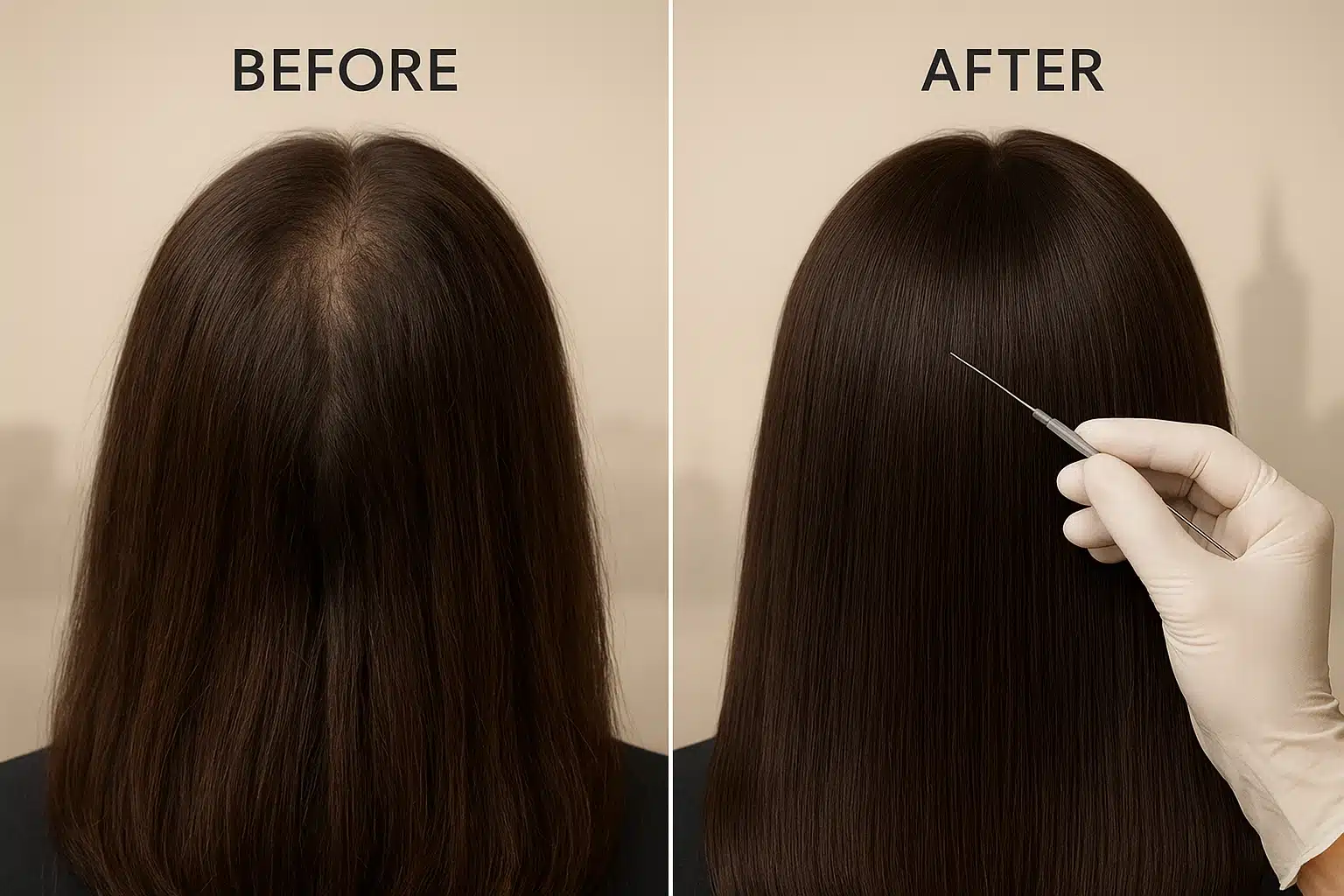
The most common question wig wearers ask is, “Why is my wig balding at the crown?” Over time, brushing, styling, and general friction cause individual hair strands to break or slip out of the lace cap.
The solution is re-ventilation. This is the meticulous art of taking a specialized ventilating needle and hand-tying new individual hairs back into the bare spots of your lace or monofilament cap. Skilled artisans use specific knotting techniques—like single knots for a seamless hairline and double knots for durability at the crown—to perfectly match the original density of your piece.
Cap Structural Repair and Lace Mending
Accidents happen. A fingernail catches the delicate Swiss lace, or the cap stretches out over time, causing it to slip.
- Torn Lace: Professionals can mend tears using specialized invisible threads or by grafting a new piece of lace entirely, saving the frontal hairline.
- Cap Resizing: If your wig feels loose, technicians can take in the cap structure, replacing worn-out elastic bands and structural seams to give you back a snug, secure fit.
Fiber Rejuvenation vs. Simple Steaming
There is a profound technical difference between quickly steaming a wig and true fiber rejuvenation. Many DIY videos suggest hitting a frizzy synthetic or human hair wig with a clothes steamer. While steam can temporarily smooth synthetic fibers, professional rejuvenation involves deep clarifying treatments, structural protein realignment for human hair, and precise tension-steaming to permanently reset the hair’s cuticle and texture.
How Boston’s Environment Impacts Your Wig
Why do wigs seem to degrade in New England differently than elsewhere? It comes down to local logistics.
- The Weather Extremes: Boston’s harsh, freezing winters pull moisture directly out of human hair wigs, leading to brittle ends and static friction (which causes tangling and shedding at the nape of the neck). Conversely, our humid summers can compromise wig adhesives, causing the lace to prematurely degrade if not cleaned properly.
- Boston’s Water Quality: While Boston generally has good water, older plumbing in historic neighborhoods can introduce hard water minerals. Washing your human hair wig in mineral-heavy water strips it of its silicone coating and natural softness, leading to premature degradation.
The Professional’s Toolkit: Vetting a Local Artisan
Before you hand over your $2,000 investment to a local Newbury Street or Tremont Street salon, you need to ensure they specialize in restoration, not just styling. Use this 5-question checklist to vet your technician:
- Do you perform re-ventilation in-house, or do you ship the wig away? (In-house means faster turnaround and direct communication).
- Can you match the exact hair origin and density of my current piece?
- Do you use single or double knots when repairing the hairline?
- What is your protocol for mending torn lace frontals?
- Can you provide a precise quote per square inch for hair addition?
Frequently Asked Questions About Wig Restoration
Can a ripped lace be fixed?
Yes. Minor tears can be expertly mended with invisible nylon thread, making the tear nearly undetectable against the skin. For larger rips, a technician can perform a lace graft, replacing the damaged section entirely and re-ventilating new hair into the fresh lace.
How long does professional wig restoration take?
Because re-ventilation is a painstaking, hand-tied process, structural repairs and hair additions typically take between 2 to 6 weeks, depending on the severity of the damage and the technician’s backlog. Emergency lace mending (like a minor tear) can sometimes be done in a few days.
Is synthetic fiber rejuvenation possible?
Absolutely. Because synthetic hair is made of plastic fibers (like Kanekalon), friction causes the ends to crimp and fray. A professional can use controlled steam and tension to melt the fibers back into a smooth, straight state, effectively resetting the wig to look brand new.
Is it cheaper to repair or replace?
For high-quality human hair or premium synthetic medical wigs, repair is almost always the more economical choice. Regular maintenance and minor repairs can easily double or triple the lifespan of your wig.
Your Partner in the Journey
Navigating hair loss and finding the perfect hairpiece is a deeply personal experience. At Wig Superstore, we have spent nearly two decades committed to compassionate customer care, empathy, and providing you with the highest-quality hair solutions on the market.
We believe that education is empowering. By understanding the anatomy of a repair and how to care for your piece against the Boston elements, you take control of your hair journey. Treat your wig with the same care and investment as you would your own natural hair, and it will reward you with years of beautiful, confident wear.
Ready to learn more about protecting your investment? Explore our comprehensive resources on daily wig care, storage, and styling to keep your hair looking salon-fresh every single day.