
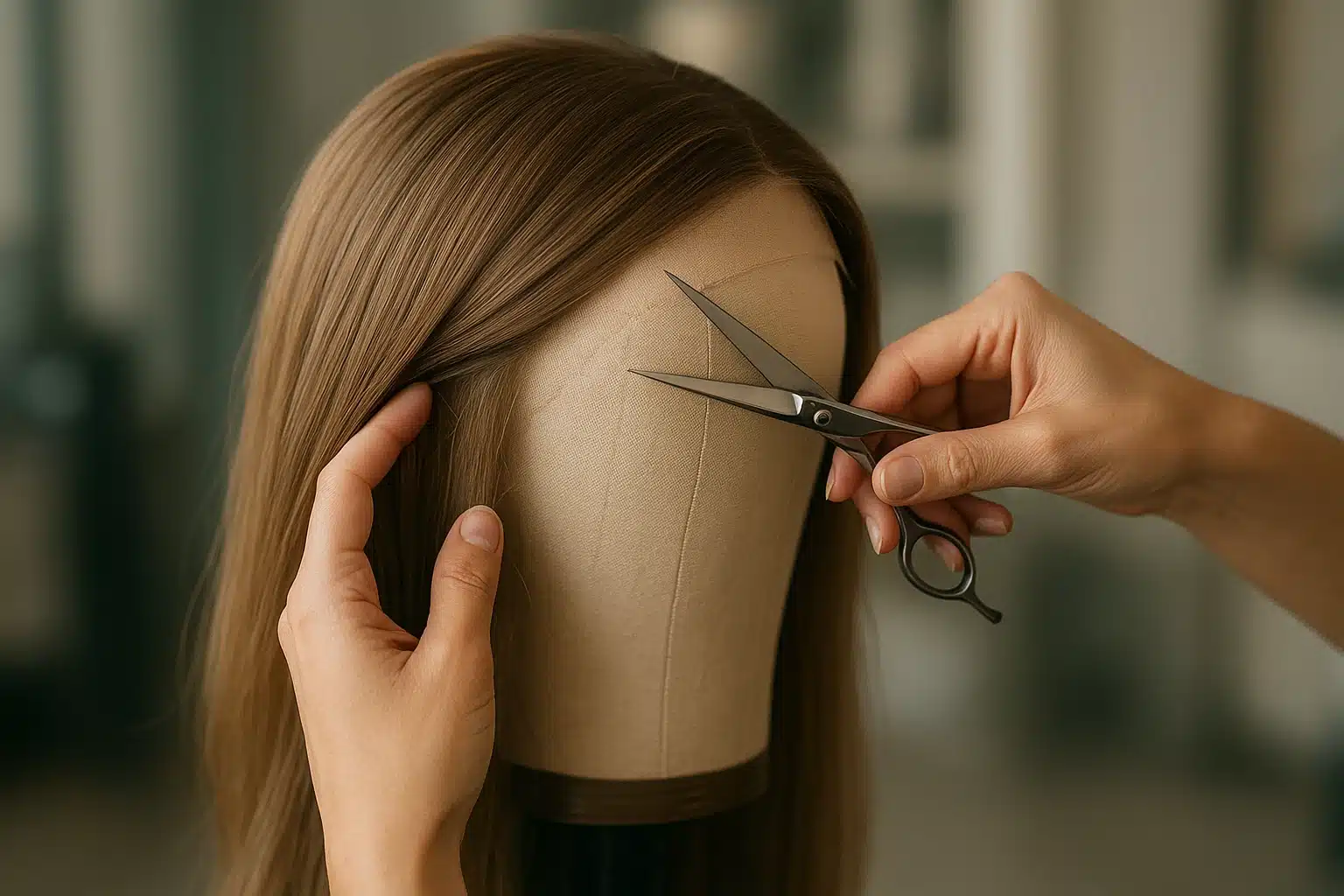
Imagine buying a couture gown but never taking it to a tailor. No matter how exquisite the fabric or expensive the designer, if the fit isn’t customized to your body, it will never look quite right. The same logic applies to high-quality wigs. Many first-time buyers believe the journey ends at the purchase, but in reality, that is just the beginning. The difference between a wig that looks like a “hairpiece” and one that is indistinguishable from biological hair often lies in the hands of the stylist who customizes it.
The Los Angeles market is uniquely bifurcated between high-volume retail and specialized medical or luxury boutiques. For those seeking the gold standard of care, finding your perfect match among the best wig stores in Los Angeles requires understanding which shops offer the specific technical infrastructure to maintain a high-end hairpiece over its multi-year lifespan. It is not just about buying hair; it is about managing a lifestyle.
The Investment Mindset: Beyond the Box
To transition from a wig wearer to a wig connoisseur, one must shift their mindset. High-quality human hair and premium synthetic pieces are investments, often categorized as “Cranial Prostheses” for medical insurance purposes.
Just as a car requires specialized mechanics, a high-end wig requires “biological engineering.” The best shops don’t just sell; they offer a service ecosystem. This includes understanding the delicate art of “ventilation”—the process of hand-tying individual hairs into the lace cap. Over time, hair sheds, and specialized boutiques in LA can re-ventilate bald spots, extending the life of your piece by years.
The Professional Service Menu: Decoding the Jargon
When researching the best wig store in los angeles, you will encounter a menu of services that might sound foreign. Understanding these terms will help you advocate for the specific care your hairpiece needs.
1. Customizing Density (The “Thinning” Process)
Most wigs come out of the box with 130% to 150% density—far thicker than the average person’s biological hair. A skilled stylist doesn’t just cut the length; they debulk the density. This involves carefully removing wefts or thinning the hair strands near the root to ensure the hair lays flat against the head, mimicking natural growth patterns rather than sitting like a helmet.
2. Lace Customization
The lace front is intended to disappear against your skin, but it rarely does so without modification. Professionals will cut the lace to follow your unique hairline shape (creating a “widow’s peak” if you have one naturally) and may bleach the knots where the hair is tied, making them invisible.
3. Professional Steam-Styling vs. Heat
There is a pervasive myth in the wig community that you can restore synthetic wigs with fabric softener. This is a dangerous misconception that can leave a waxy film on the fiber, attracting dust and dulling the shine. Top-tier wig shops in los angeles utilize professional steam-styling. Unlike dry heat, which can singe synthetic fibers, controlled steam reshapes the “memory” of the fiber, smoothing out friction frizz and restoring the original bounce without damaging the integrity of the strand.
Navigating the LA Landscape: A Service-First Directory
Los Angeles is a hub for hair, but not all salons are equipped to handle wigs. Regular hairstylists are trained to cut hair that grows back; wig stylists are trained to cut hair that doesn’t. Here is how the local landscape breaks down by technical specialty.
The Medical and Repair Specialists
For those dealing with alopecia or chemotherapy, shops like TNT by Tallie have carved out a niche in medical-grade compassion and technical repair. Their expertise often lies in lace tightening—fixing a cap that has stretched out over time—and adding hair to thinning areas. This level of repair is a sustainable alternative to buying a new piece every few months.
The Luxury Stylists
Boutiques like The Wig Fairy in Beverly Hills have revolutionized the “investment” wig. They are known for “The Travel Deal,” where clients fly in for custom builds. These shops often operate on a “no walk-in” basis, emphasizing privacy and dedicated consultation time. Their focus is often on custom color chemistry—creating rooted dimensions and balayage on human hair wigs that rival top-tier biological hair salons.
The Accessible Experts
Establishments like Wilshire Wigs serve as the accessible bridge for many. They combine massive inventory with reliable, “old-school” styling services. These are excellent resources for those who need to see and feel a wide variety of options before committing to a customization path.
The “Four-Finger Rule” and Maintenance Secrets
Even the best cut can look unnatural if placed incorrectly. The “Four-Finger Rule” is a standard taught by top stylists: generally, your hairline should begin four finger-widths above the bridge of your nose. Placing a wig lower often shrinks the forehead artificially, which is a subconscious tell that the hair isn’t growing from the scalp.
The 12-Month Maintenance Calendar
To maximize your investment, consider adopting a professional maintenance schedule:
- Every 4-6 Weeks: Wash and Deep Condition. (Human hair lacks natural scalp oils, so professional deep treatments are vital to prevent dryness).
- Every 3-4 Months: Steam Refresh (for Synthetics) or Glaze/Toner Refresh (for Human Hair to combat oxidation/brassiness).
- Every 6-9 Months: Lace Check and Tightening. If the lace is fraying or the cap feels loose, a professional repair is needed.
- Yearly: Evaluation for “Ventilation” (adding hair) to fill in areas of shedding.
Frequently Asked Questions
Can I take my wig to my regular hairdresser?
It is generally not recommended. Biological hair shears are often too dull for synthetic fibers, which can fray the ends. Furthermore, a regular stylist relies on “guides” (cutting wet hair) that don’t apply the same way to wig caps. A mistake here is permanent.
How do I use a medical invoice for insurance?
Many of the specialized shops mentioned above can provide a receipt for a “Cranial Prosthesis.” You should check with your insurance provider regarding coverage for code A9282. Note that most insurance companies will not accept an invoice that simply says “Wig.”
Why do stylists use canvas blocks instead of foam heads?
When you see a professional styling a wig, it is almost always on a canvas block mount. Foam heads are too light and can distort the shape of the cap when wet. Canvas blocks mimic the varying sizes of the human head (measuring 21″ to 23″) allowing the stylist to pin the wig securely for precise tension during blow-drying or steaming.
Taking the Next Step
Understanding the technical side of wig wearing transforms the experience from a cover-up to a confidence boost. Whether you need a steam refresh for a beloved synthetic piece or a complete custom color on a human hair investment, the right professional support exists. Don’t settle for “out of the box”—find the expertise that makes it truly yours.






