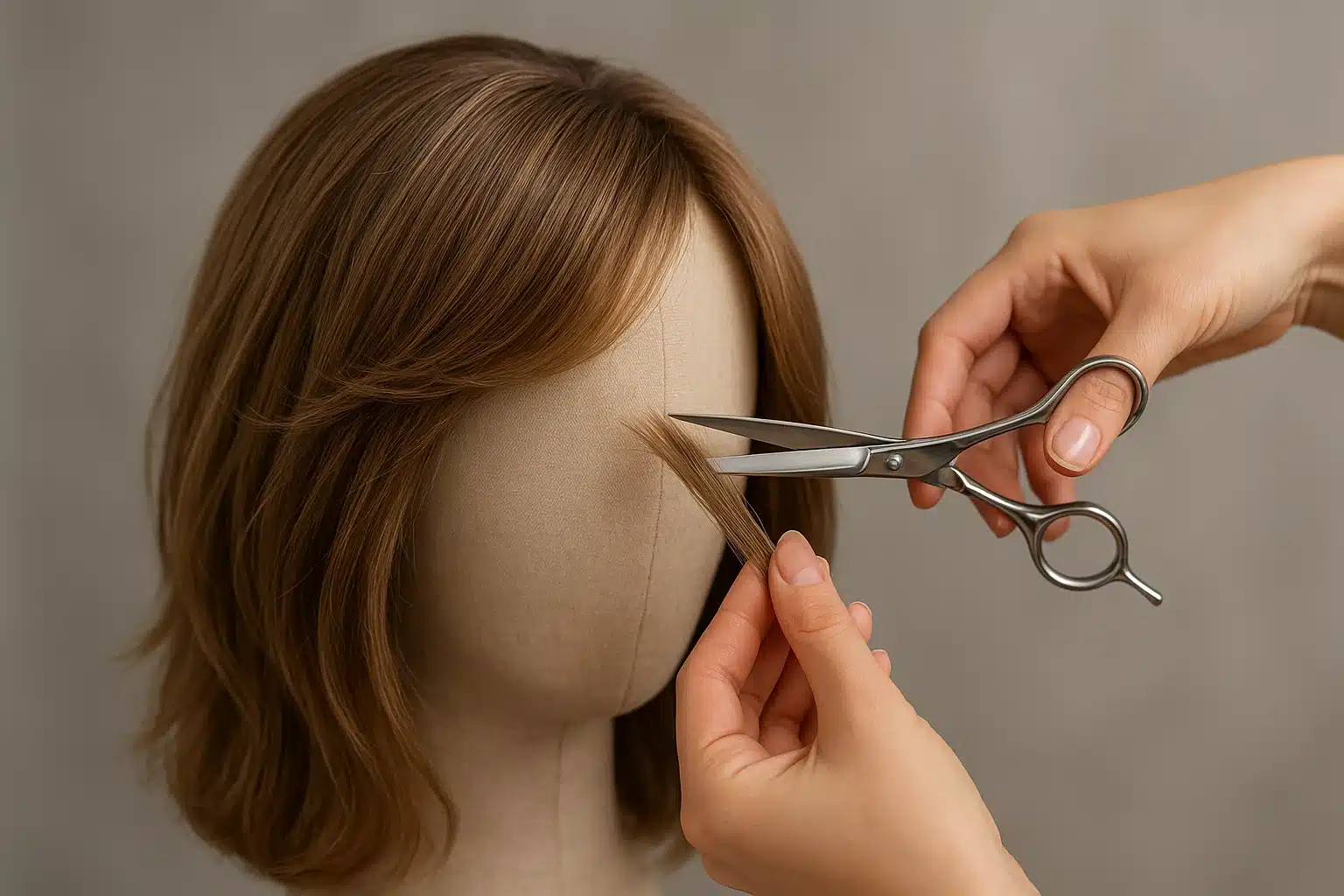
You’ve found a wig with the perfect color and texture, but something still feels… off. It’s a common feeling. A wig straight out of the box is a beautiful starting point, but it isn’t your hair yet. The secret to transforming a high-quality wig into an undetectable, confidence-boosting extension of yourself lies in the art of customization—specifically, in professional-level cutting and layering.
Many hesitate at the thought of taking shears to a new wig, fearing a costly mistake. But with the right knowledge and techniques, you can shape, texturize, and personalize your wig to perfectly frame your face and move with the natural grace of biological hair. This guide is your consultation, designed to walk you through the advanced techniques that separate a standard wig from a truly bespoke hairstyle. We’ll explore the methods professionals use, the essential tools they rely on, and how you can make informed decisions to achieve the look you’ve always envisioned.
Understanding the Canvas: Wig Construction and Hair Types
Before the first snip, it’s crucial to understand what you’re working with. The construction of your wig and the type of hair fiber directly impact how it will respond to cutting and styling.
Hair Fiber Matters: The difference between synthetic and human hair is significant. High-quality best human hair wigs offer the most versatility, behaving just like natural hair when cut, layered, and heat-styled. They are the preferred choice for a truly natural look. Synthetic wigs have come a long way, but they have limitations; they typically have a shorter lifespan of 4-6 months with regular wear and can be damaged by traditional heat styling tools.
The Power of the Lace Front: For the most realistic look, nothing beats a lace front wig. Research confirms that lace fronts provide a near-undetectable hairline, which is absolutely critical for achieving authenticity. The delicate lace base allows you to pluck and customize the hairline for a seamless transition that mimics natural hair growth.
Cap Construction: The way the hair is attached to the cap influences its movement. Hand-tied human hair wigs, for instance, allow each fiber to move independently, offering incredible styling freedom and a more natural flow when layered.
The Professional’s Toolkit: Essential Tools for Precision Cutting
Using household scissors on a wig is a recipe for frayed ends and a choppy finish. Investing in the right tools is non-negotiable for achieving a professional-quality cut.
- Styling Shears: High-quality stainless steel shears are the cornerstone of any cutting kit. Their sharp, precise blades ensure a clean cut without damaging the hair fibers.
- Thinning Shears: These are the secret weapon for managing density. Top stylists use thinning shears to selectively remove bulk, which adds movement and prevents the “helmet” look some wigs can have. This is a far more advanced technique than simply cutting layers.
- Razor Comb: A razor comb is excellent for creating soft, feathered ends and wispy layers, especially for pixie cuts and shags. It removes weight while adding significant texture.
- Mannequin Head: A canvas or cork mannequin head is essential for securing the wig while you work. It allows you to see the wig from all angles and ensure your cuts are even and balanced.
- Sectioning Clips and Combs: Control is everything. Use clips to section the hair cleanly, allowing you to work on small, manageable areas at a time for greater precision.
Mastering the Cut: Step-by-Step Layering and Shaping Techniques
Advanced cutting isn’t about just shortening the hair; it’s about strategically shaping it. The following techniques are used by professionals to create movement, texture, and a flattering silhouette.
The Foundation: Proper Sectioning for Control
Before you begin, divide the wig into at least four main sections: two in the front and two in the back. Within these, you’ll work with smaller, one-inch sub-sections. This methodical approach is a key differentiator between amateur and professional results, ensuring every layer is consistent and intentional.
Creating Texture: Point Cutting and Slide Cutting
Instead of cutting a blunt, straight line, professionals use texturizing techniques.
- Point Cutting: Hold the scissors perpendicular to the hair ends and snip directly into them. This breaks up harsh lines, creating a softer, more piecey and natural-looking edge.
- Slide Cutting (or Slithering): With the shears partially open, slide them down the hair shaft away from the root. This is an advanced method for removing bulk and creating seamless, blended layers, especially in longer styles.
Building Body: How to Layer for Volume and Movement
Layering is what gives a wig life. The angle at which you hold and cut the hair determines the type of layer you create. For soft, cascading layers, elevate a section of hair straight out from the head (90-degree angle) and cut. For more dramatic volume, you can use a higher elevation. These techniques are universally applied to add movement and prevent the hair from falling flat. Exploring different types of medium length hair with layers can provide excellent inspiration.
Refining the Shape: Thinning to Reduce Bulk
If a wig feels too dense, especially at the crown or around the face, thinning shears offer controlled bulk reduction. Comb a section of hair and, starting a few inches from the root, make one or two snips with the thinning shears. Comb out the loose hairs and assess the result before moving to the next section. This technique is invaluable for making a wig look less “wiggy” and more like natural hair.
Tailoring Your Look: Customizing a Wig for Your Face Shape
A truly custom cut should flatter your unique features. While there are no hard rules, these principles can guide you:
- Round Face: Add height at the crown and keep the sides leaner. Long layers that fall below the chin can create an elongating effect.
- Square Face: Soften a strong jawline with wispy bangs, waves, and layers that begin around the chin.
- Heart-Shaped Face: A chin-length bob or styles with volume at the bottom balance a wider forehead.
- Oval Face: This is considered a universal shape, well-suited to almost any style, from short pixies to long, flowing layers.
From Vision to Reality: Creating Specific Hairstyles
With these foundational techniques, you can achieve specific, popular hairstyles.
- The Modern Bob: Achieving a sharp, chic bob requires precision. For those with finer hair, a well-structured cut is key. There are many flattering bob hairstyles for fine hair that rely on clean lines and subtle layering for shape.
- The Effortless Pixie: A pixie cut is all about texture. Use a razor comb and point cutting to create a choppy, modern look that is easy to style.
- Long, Blended Layers: For longer wigs, use slide cutting to create layers that blend seamlessly and encourage natural movement without sacrificing length.
The Final Touch: Plucking and Lace Customization for Realism
One of the most impactful customization techniques for a lace front wig is plucking the hairline. Wig hairlines are often manufactured with a uniform density, which can look unnatural.
Using a good pair of tweezers, carefully pluck individual hairs along the front of the lace, mimicking the varied density of a natural hairline. Start slowly, focusing on the part and temples. The goal, as confirmed by styling experts, is to reduce the visible edge and create a softer, more authentic transition from forehead to hair. This step alone can elevate your wig to a whole new level of realism.
Protecting Your Masterpiece: Maintaining Your Custom-Cut Wig
Once you’ve perfected your cut, proper maintenance is essential to preserve its shape and longevity. High-quality human hair wigs can last for years with the right care. This includes using sulfate-free shampoos, gentle conditioning, and storing it properly on a mannequin head. To keep your investment in top shape, it’s vital to know how to take care of human hair wigs.
The Big Decision: At-Home vs. Professional Wig Cutting
You have the knowledge, but should you do it yourself? This is a crucial evaluation point for anyone serious about wig customization.
At-Home Customization:
- Pros: Cost-effective, convenient, and gives you complete creative control. It’s an empowering skill to develop.
- Cons: High risk, especially for beginners. A mistake can be irreversible and costly. It requires a significant investment in proper tools and the patience to learn advanced techniques.
Professional Wig Stylist:
- Pros: Expertise and peace of mind. A professional who specializes in wigs understands how the fibers will behave and can execute complex cuts flawlessly. They can also offer personalized advice for your face shape.
- Cons: It’s an additional investment. You’ll also need to find a stylist with proven experience in cutting wigs, which is a different skill than cutting biological hair.
For your first major customization or for an expensive human hair wig, we strongly recommend consulting a professional. For minor trims or bang adjustments on a synthetic wig, a DIY approach can be a great way to learn.
Frequently Asked Questions
Can I use regular scissors to cut my wig?It’s not recommended. Regular scissors are often not sharp enough and can crush the hair fiber, leading to split ends and a frizzy, unprofessional finish. Professional styling shears are designed for a clean, sharp cut.
What’s the biggest mistake people make when cutting their own wig?Cutting the hair too short, too quickly. Always start by cutting less than you think you need to—a technique called “trimming for dust.” You can always take more off, but you can’t add it back. Cut the wig while it’s dry to see exactly how the length and layers will fall.
Is it easier to cut human hair or synthetic wigs?Human hair is more forgiving and behaves predictably, much like your own hair. Synthetic fibers can be more slippery and less tolerant of mistakes, and once a cut is made, heat styling cannot be used to alter or correct the shape in the same way.
How can I fix a mistake I made while cutting?If it’s a minor issue, you can sometimes blend it with more texturizing or layering. Adding a curl or wave can also help disguise unevenness. For a major mistake, your best option is to take it to a professional stylist who may be able to salvage the wig by reshaping it into a shorter style.
Customizing your wig is the final step in making it truly yours. By understanding the principles of advanced cutting, layering, and thinning, you are empowered to make confident decisions about your style. Whether you choose to embark on the DIY journey or entrust your vision to a professional, the goal is the same: to create a look that is seamless, natural, and a perfect reflection of you.
Ready to find the perfect canvas for your custom style? Explore our collection of premium luxury human hair wigs designed for ultimate personalization and comfort.