There is a specific moment of panic that almost every new wig owner experiences. You’ve unboxed your new style, worn it a few times, and received compliments on how natural it looks. But then, the inevitable happens: it’s time to wash it. Suddenly, the fear sets in. Will washing it ruin the pre-set curls? Will the shine disappear? Is regular shampoo safe?
When it comes to Beautrium wigs, these concerns are valid because the rules of natural hair care simply don’t apply here. To get the most out of your investment, it helps to understand exactly what you are working with. For a broad overview of the styles available, you might want to check out our Complete guide to Beautrium wigs, but if you are ready to master the daily maintenance, you are in the right place.
This guide acts as the bridge between basic ownership and professional-level care. We are going to decode the specific needs of Beautrium’s synthetic fibers, focusing on the science of “slip,” the dangers of friction, and the washing techniques that will double the lifespan of your wig.
The “Slip” Factor: Understanding Beautrium Fibers
The biggest misconception about wig care is treating synthetic fiber like biological hair. Human hair requires hydration (water and oils) to keep the cuticles flat and smooth. Synthetic fibers, like those used in Beautrium wigs, are essentially fine monofilaments or specialized plastics. They do not have cuticles, and they cannot absorb water.
Therefore, slathering a synthetic wig in a moisturizing conditioner designed for human hair does nothing but coat the fiber in a heavy, greasy film that attracts dust.
Beautrium fibers don’t need moisture; they need “slip.” This is usually achieved through silicone-based products that reduce surface friction. When caring for these wigs, your goal is to maintain the factory coating that prevents tangling, rather than trying to “feed” the hair.
The “Cold Water” Commandment & The Zero-Tension Wash
Heat is the number one enemy of standard synthetic fibers. This doesn’t just mean curling irons; it includes the hot water from your tap. Hot water can relax the permanent style baked into the wig, leaving you with limp strands or, worse, singed and frizzy fibers.
To clean your wig safely, adopt the Zero-Tension Wash Method. This technique cleanses the fiber without stretching it or disrupting the style.
Step-by-Step: The Sink Soak
- Prep the Bath: Fill a basin or sink with cool water. Add a capful of synthetic-safe shampoo. (Note: Avoid drugstore shampoos containing sulfates, which can strip the wig’s protective coating).
- Submerge and Soak: Turn the wig inside out and submerge it. Gently press the water through the hair. Do not scrub, wring, or rub. Friction causes frizz. Let it soak for 5–10 minutes so the cleanser can break down oils and sweat accumulated on the cap.
- The Rinse: Drain the soapy water and refill with cool, clean water. Swish the wig gently to rinse. Repeat until no bubbles remain.
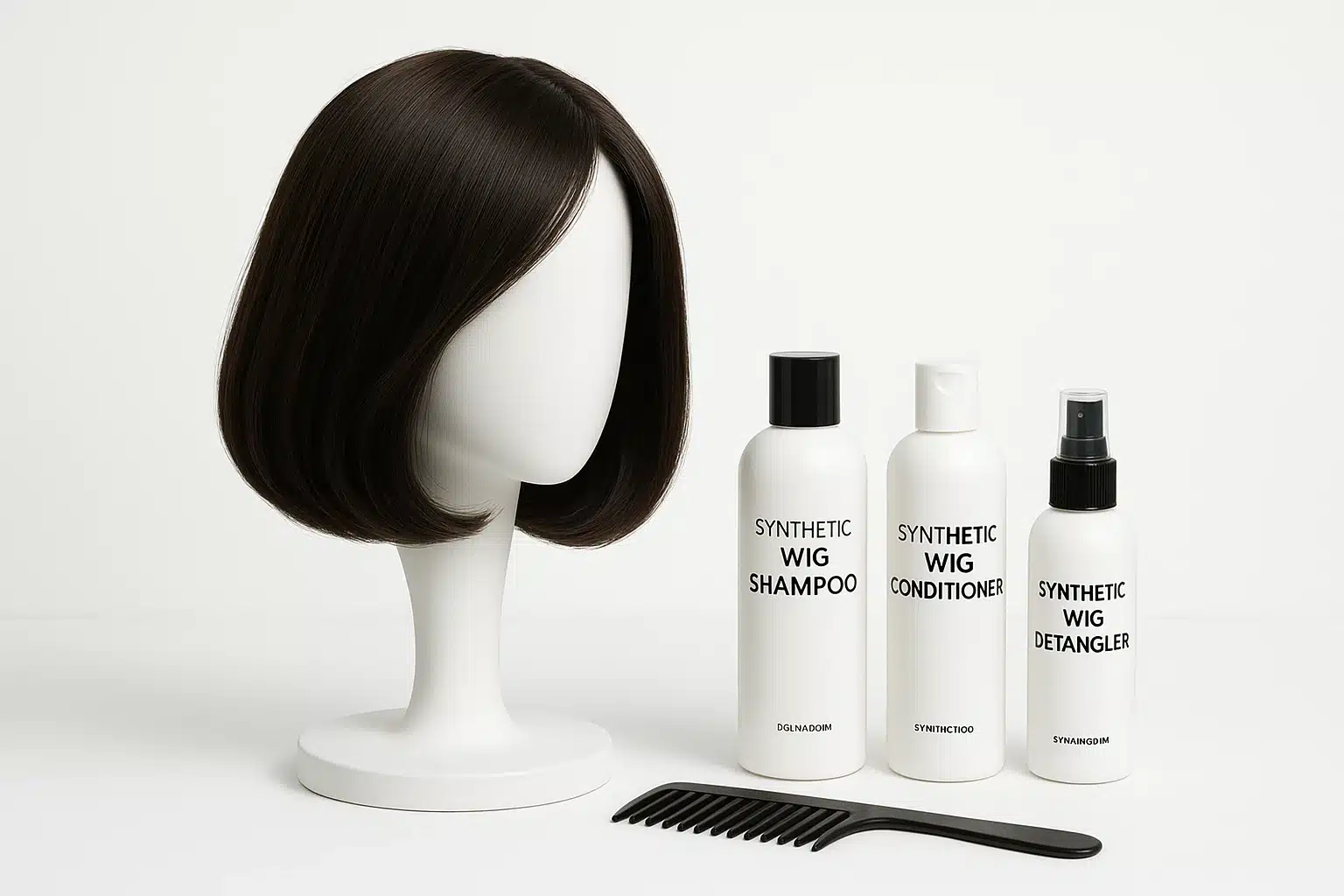
- Drying: Wrap the wig in a towel and gently press (don’t twist) to remove excess water. Place it on a folding wig stand to air dry. Never brush a wet synthetic wig; the fibers are weakest when wet and can stretch permanently.
Navigating the “Nape Area” (The Friction Zone)
If you own a mid-length or long Beautrium wig, you have likely encountered the dread of “nape frizz.” This happens at the back of the neck where the hair constantly rubs against your collar, skin, and clothing. This friction creates heat and static, causing the fibers to kink and mat together.
This isn’t a defect in the wig; it is simple physics. However, you can prevent it.
Prevention and Cure
- Daily Defense: Before wearing your wig, lightly mist the nape area with a synthetic-safe detangler or silicone spray. This adds a microscopic protective layer that helps the fibers slide past each other rather than snagging.
- The Steamer Trick: If the ends are already looking a bit frizzy, a handheld garment steamer is your secret weapon. With the wig on a stand, gently steam the frizzy areas while combing through with a wide-tooth comb. The steam provides just enough moist heat to relax the kinked fibers without melting them. Proceed with caution and keep the steamer moving.
Your Longevity Timeline: A Care Schedule
Maintaining a Beautrium wig isn’t about doing a deep clean every day. Over-washing can actually shorten the lifespan of the wig. Instead, follow this rhythm:
Daily: The Reset
- Remove the wig and gently shake it out to reset the volume.
- Run your fingers or a wide-tooth comb through the ends to remove minor tangles.
- Place it on a stand (not a Styrofoam head, which can stretch the cap) to let the interior air out.
Weekly: The Refresh
- If the fiber feels dry or static-prone, mist it with a leave-in conditioner designed for synthetics.
- Focus on the ends and the nape.
Every 6-8 Wears: The Deep Clean
- This is when you perform the “Sink Soak” mentioned above. Synthetic fibers don’t absorb oil, but the cap collects sweat and the fibers collect environmental dust. Washing every 6 to 8 wears strikes the perfect balance between hygiene and fiber preservation.
Brand-Specific Product Intelligence
A common question from wig owners is, “Can I just use dish soap and fabric softener?”
While you will find online forums suggesting diluted dish soap for cleaning and fabric softener to reduce static, proceed with caution. While these can work in a pinch for older wigs you are trying to revive, they are harsh chemicals not optimized for the specific coating on Beautrium fibers.
- Dish Soap: Can be too stripping, removing the sheen that makes the wig look healthy.
- Fabric Softener: Can leave a waxy buildup that makes the hair look dull and heavy over time.
For the best results, stick to products specifically formulated for synthetic hair, such as the BeautiMark line or similar synthetic-safe brands. These products are pH-balanced to clean plastic fibers without degrading them.
Frequently Asked Questions
Can I use a curling iron on my Beautrium wig?
Unless the specific model is labeled “Heat-Friendly” or “Heat-Defiant,” the answer is no. Standard synthetic fibers will melt under the heat of styling tools. If you want to change the style, the safest method is using steam or rollers with hot (not boiling) water.
Why does my wig look shiny?
New synthetic wigs sometimes have a “factory shine.” To reduce this and make it look more realistic, you can lightly dust the hair with a dry shampoo. This adds texture and mattifies the fiber for a more natural look.
How long will my Beautrium wig last?
With daily wear and proper care, a synthetic wig typically lasts between 3 to 6 months. If you rotate between two wigs, you can significantly extend the life of both.
The Path to Confidence
Caring for your Beautrium wig doesn’t have to be a chore. Once you understand the “why” behind the maintenance—fighting friction, avoiding heat, and preserving the coating—the “how” becomes second nature. By treating your wig with the gentle care it requires, you ensure that it continues to help you look and feel your best every single day.
If you are looking to expand your collection or need more personalized advice, exploring high-quality synthetic wigs through a reputable provider is the best next step in your journey. Remember, the right care routine is the difference between a wig that lasts a month and one that stays beautiful for seasons.