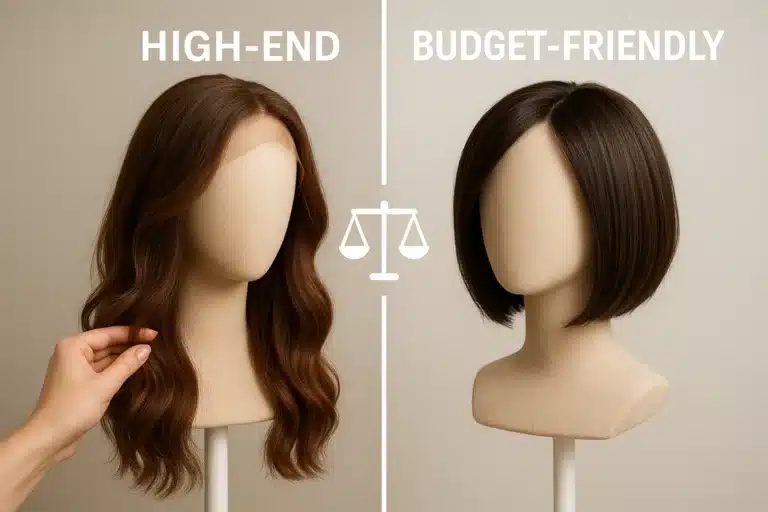
Imagine finding a wig that looks absolutely stunning in a photograph. The color is radiant, the cut is chic, and the volume is perfect. But when you finally put it on, the experience doesn’t match the visual. Perhaps it feels heavy, the hairline looks abrupt, or the fabric itches after an hour. This is the “tactile gap” that many first-time buyers encounter. While the style is what you see in the mirror, the cap construction is what you feel all day long. It is the architecture of your comfort.
Navigating the local market requires more than just knowing what style you want; it’s about understanding the mechanics behind the magic. Before you head out to visit a wig store in Los Angeles, it helps to arm yourself with knowledge about what’s happening underneath the hair. For those just beginning their journey, Finding Your Perfect Match: A Guide to the Best Wig Stores in Los Angeles provides the necessary groundwork to transition from digital research to a physical fitting. Once you know where to go, knowing what to look for in cap construction will ensure your visit is a success.
The Sensory Experience: Why the “Interior” Matters
When browsing online, we often treat wigs like hats—assuming they are all built relatively the same way underneath. However, high-quality wigs are intricate pieces of engineering. The difference between constructions isn’t just a bullet point on a price tag; it is the difference between the structure of a stiff baseball cap and the stretch of high-end athletic wear.
For our clients, particularly those experiencing medical hair loss, the “feel” is paramount. A cap that is rough or traps heat can turn a beautiful hairpiece into a source of discomfort. Understanding construction allows you to prioritize your specific sensory needs:
- Do you need breathability?
- Do you have a sensitive scalp?
- Do you plan to change your part or wear your hair off your face?
Let’s break down the “Big Three” constructions you will encounter.
The “Transparency Rule”: Distinguishing Lace Front vs. Monofilament
One of the most common sources of confusion for new learners is distinguishing between “Lace Front” and “Monofilament.” Often, buyers think they have to choose one or the other, not realizing a wig can be both.
Here is the simplest way to remember the difference:
- Lace Front is about the Hairline.
- Monofilament is about the Part.
Lace Front: The Illusionist
If your primary concern is styling your hair away from your face or having a natural-looking forehead, the Lace Front is your solution.
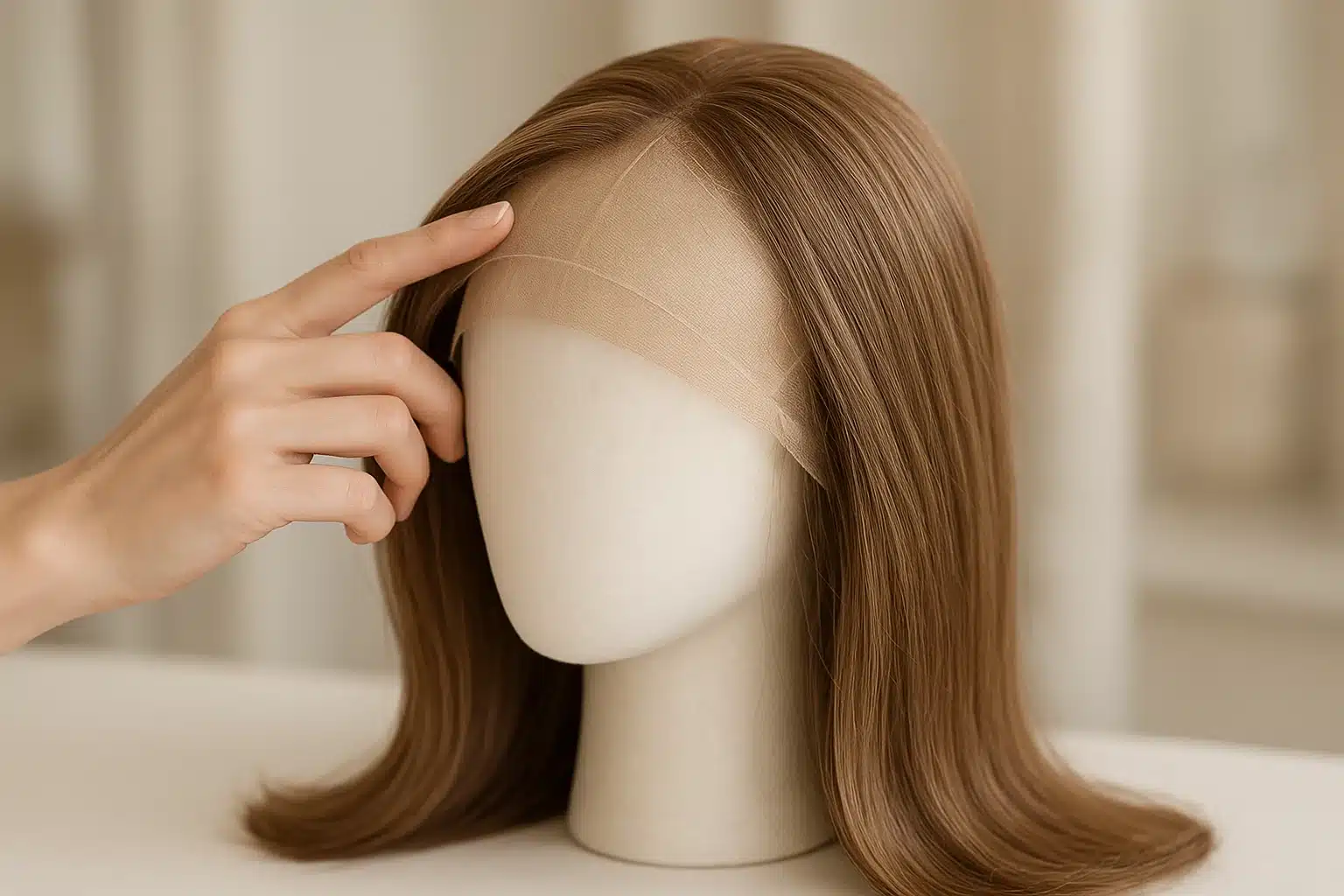
This construction features a fine, sheer mesh strip along the front hairline—usually ranging from 1/8″ to 1.5″ deep. Each hair in this area is individually hand-tied to the mesh. When worn against the skin, the mesh becomes nearly invisible, creating the illusion that the hair is growing directly out of your scalp.
Best For:
- Wearing bangs swept back or off the face.
- Confidence in windy conditions (no harsh wig rim visible).
- A seamless transition between skin and hair.
Monofilament: The Scalp Mimic
While the lace front handles the forehead, the Monofilament (or “Mono”) top handles the top of the head. In this construction, a sheer, soft mesh replaces the traditional cloth strips at the crown.
The magic of monofilament is two-fold. First, the mesh is transparent, meaning your own scalp color shows through, making the part look incredibly realistic. Second, because each hair is tied individually to the mesh, you can brush and part the hair in any direction.
Best For:
- Changing your part (left, right, or center).
- Looking down (the top of the head looks like natural skin).
- Higher breathability at the crown.
Hand-Tied: The “Second Skin” Experience
If you ask a veteran wig wearer or a stylist at a best wig store in los angeles about the gold standard of comfort, they will almost always point to the 100% Hand-Tied cap.
In standard wigs (wefted), rows of hair are sewn onto strips of material. In a 100% hand-tied wig, every single hair on the entire cap is tied by hand into a soft, stretchable mesh base. There are no wefts and no structural seams.
The Tactile Metaphor:Think of a standard wefted wig like a structured denim jacket—it holds its shape well but has limited give. A 100% hand-tied wig is like your favorite pair of luxury yoga leggings. It stretches, moves, and contours to the shape of your head. This creates a “hug” effect that is incredibly secure without being tight.
Why the Price Difference?You may wonder why a hand-tied wig costs significantly more. It comes down to labor. It can take a skilled artisan up to three days to tie a single wig by hand. You are paying for that intense craftsmanship and the unparalleled comfort it provides.
The Comparison Lab: Which Cap Fits Your Lifestyle?
To help you visualize which construction suits your daily life, consider this comparison:
| Feature | Basic Cap (Open Weft) | Lace Front / Monofilament | 100% Hand-Tied |
|---|---|---|---|
| Realism | Volume-focused; harder to detect scalp. | High realism at hairline and part. | Maximum realism; hair moves naturally. |
| Styling | Pre-set style; limited parting options. | Versatile parting and off-face styling. | Maximum versatility; style virtually anywhere. |
| Comfort | Good ventilation; standard fit. | Smooth at mesh areas; comfortable. | The softest; ideal for total hair loss/sensitive scalps. |
| Price | Most Affordable | Mid-Range | Premium Investment |
Navigating the LA Market: The “Feel” Test
Los Angeles offers a unique advantage: access. Unlike many parts of the country, LA is a hub for hair alternatives, meaning you have the opportunity to physically test these differences.
When you visit wig shops in los angeles, do not just look in the mirror. Close your eyes and focus on the sensation.
- The Stretch Test: Ask to try on a 100% hand-tied cap. Feel how the material expands and contracts with your head movement.
- The Itch Test: If you have a sensitive scalp, pay attention to where the materials transition. Does the lace front feel scratchy, or is it welded smoothly?
- The Density Check: Monofilament wigs often look lower density (less thick) than basic caps because they mimic natural growth. Ask yourself if you prefer the “big hair” look of a weft or the sleek look of a mono top.
Frequently Asked Questions (FAQ)
Q: Can I put a monofilament wig in a high ponytail?
A: It depends on the back of the cap. While the top (monofilament) allows for natural movement, if the back is wefted, you may see the rows if you pull the hair up high. For high ponytails, a 100% hand-tied wig is usually the best option as the stretch mesh looks natural from all angles.
Q: Does a lace front require glue or tape?
A: Not necessarily. Many modern “Ready-to-Wear” lace fronts found at a best wig store in los angeles are designed to lay flat against the forehead without adhesive, thanks to adjustable tabs in the back of the cap that ensure a snug fit.
Q: Why are hand-tied wigs recommended for cancer patients?
A: Chemotherapy can make the scalp incredibly sensitive and tender. The materials used in hand-tied wigs are the softest available, eliminating the friction and pressure points caused by wefts and seams.
The Next Step in Your Journey
Understanding cap construction is the bridge between seeing a wig you like and buying a wig you love. It transforms a purchase from a guess into an informed decision. Remember, there is no “best” cap for everyone—only the best cap for your lifestyle, budget, and sensitivity levels.
As you continue your search, focus on finding a retailer who is patient, knowledgeable, and willing to let you experience these differences firsthand. Your comfort is worth the research.