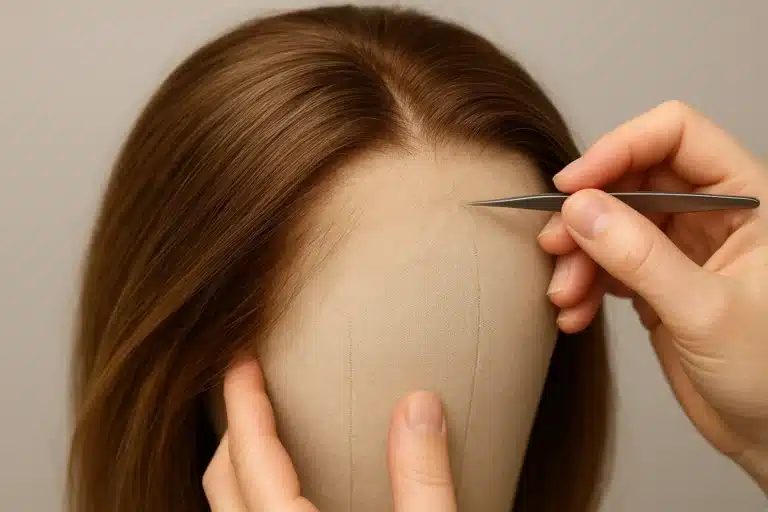
Have you ever unboxed a stunning new piece, placed it on your head, and felt a wave of unexpected hesitation? It is a common experience shared by many first-time wearers and seasoned enthusiasts alike. The fiber quality is exquisite, and the color is perfect, yet something feels slightly “off.” Often, manufacturers pack wigs with extra density to ensure longevity, but this can inadvertently create a “helmet” effect that feels unnatural or heavy. This isn’t a flaw in the product; rather, it is an invitation to personalize.
The secret to bridging the gap between a manufactured look and a style that feels authentically yours lies in customization. While it can be tempting to rely on standard household items, achieving a truly undetectable look requires specific equipment. To transform a standard unit into a flawless style, you must look beyond basic combs and explore wig-safe styling tools & products designed to refine, shape, and protect your investment without compromising the integrity of the fibers.
The “Trinity” of Natural Results
When we analyze why certain wigs look hyper-realistic while others fall into the “uncanny valley,” the difference rarely comes down to the price tag alone. Instead, it is the result of three specific mechanical adjustments: density control, airflow management, and stabilization.
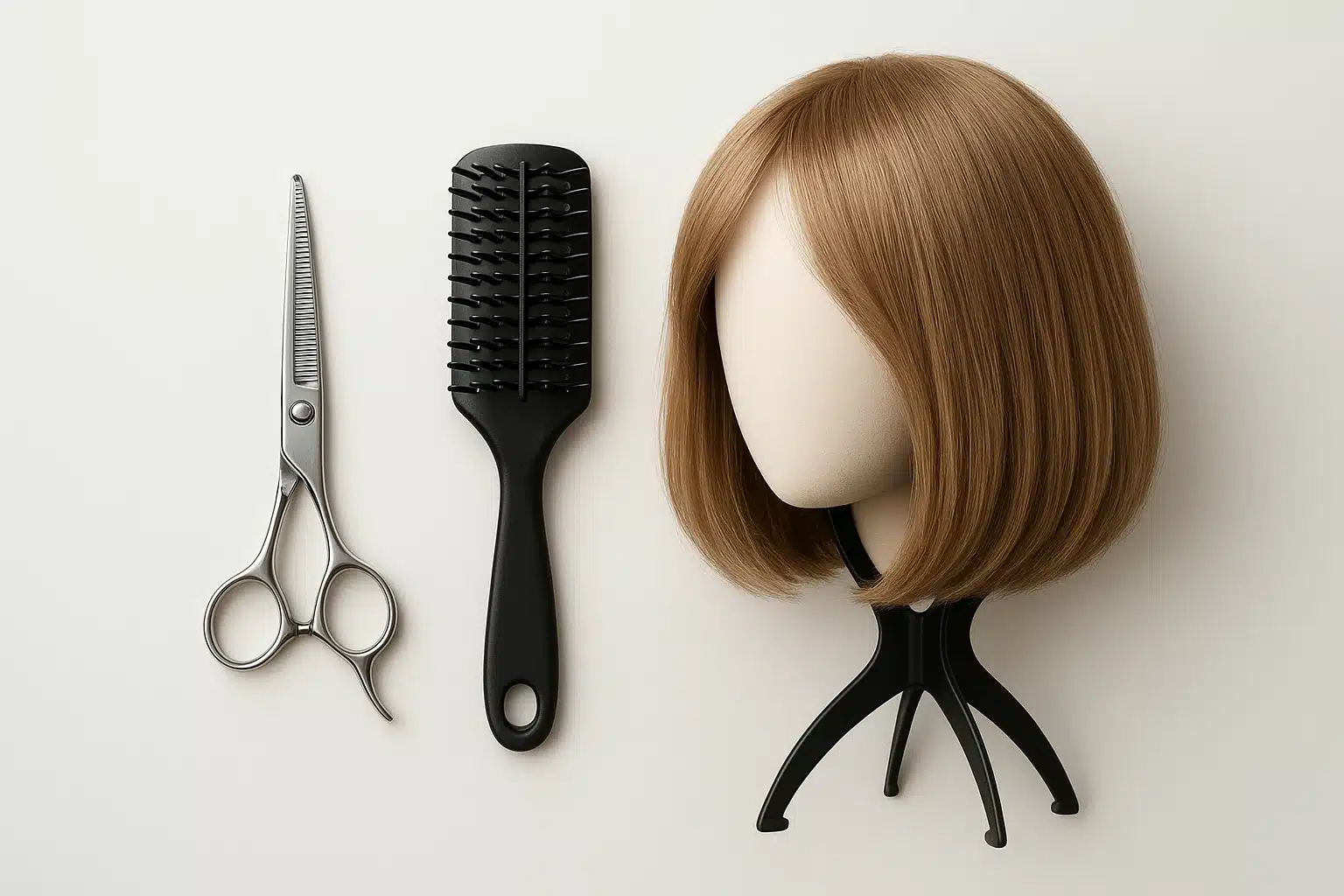
To master these elements, you need a toolkit that goes beyond the basics. We call this the “Trinity of Natural Results”: Thinning Shears, Vent Brushes, and Professional Wig Stands. Understanding the mechanical why behind these tools will empower you to transition from simply wearing a wig to truly owning your style.
Thinning Shears: Conquering the Density Dilemma
One of the most frequent questions we encounter is, “Why does my wig look too thick at the crown?” The answer is density. High-quality wigs often come with 130% to 150% density to ensure the cap doesn’t show, but for many faces, this is overwhelming. This is where thinning shears become your most valuable asset.
The “Ghost Snip” and the 45-Degree Rule
Unlike standard scissors which cut a blunt line (creating the dreaded “choppy” look), thinning shears have teeth that only cut a percentage of the hair caught between the blades. This allows for density reduction without losing length.
For those anxious about cutting their investment—perhaps you are trying to customize a delicate 613 lace frontal bob wig—mastering the “Ghost Snip” is essential. This technique involves:
- Lifting a section of hair from underneath (never the top layer).
- Holding the shears at a 45-degree angle.
- Making vertical snips about an inch or two from the root.
This method removes bulk internally, allowing the hair to lay flat against the head for a seamless silhouette, avoiding the “stubble” effect that comes from cutting too close to the weft.
The Vent Brush: The Science of Airflow
While many assume all brushes are created equal, the wrong tool can be disastrous for synthetic fibers. Standard cushion brushes often create too much tension, leading to friction frizz. More importantly, they trap heat.
The “Airflow Secret”
Synthetic fibers are heat-sensitive. When you are drying a wig after washing, or styling it with low heat, you need air to circulate through the style, not just over it. A specialized vent brush is designed with wide gaps that allow air to pass directly through the brush head.
This reduces drying time significantly—some estimates suggest by up to 40%—which is crucial for wig maintenance. The less time your wig spends wet and heavy, the better the cap retains its shape. Furthermore, the wide-tooth configuration of a vent brush offers the ideal “grip-to-slip” ratio, detangling fibers without stretching them, which is vital for preventing the dreaded “bubble” damage on synthetic strands.
Professional Wig Stands: Stability for Styling
If you have ever tried to style a wig on a flimsy Styrofoam head, you know the frustration of the wig slipping or the head toppling over mid-brush. Styrofoam heads are excellent for short-term storage, but they lack the weight and ergonomics required for customization.
From Everyday Styles to Advanced Cosplay
For precise styling, you need a canvas block or a heavy-duty stand with a clamp. This stability is non-negotiable if you are attempting advanced customization.
Consider the intricate work required for a Gojo wig styling tutorial or other high-concept cosplay looks. These styles often require extreme spiking and gravity-defying hold. If your stand moves even an inch while you are applying product, the symmetry of the style is compromised. A professional stand anchors your work, allowing you to pull, pin, and spray with the same tension and control a stylist has in a salon. This is equally important for daily wearers ensuring their lace front stays pristine during drying; a secure stand prevents the lace from warping or rolling.
The “Safety First” Checklist
Before you begin your customization journey, keep these safety protocols in mind to protect your wig:
- The 10% Rule: When using thinning shears, remove only 10% of the bulk you think you need, then put the wig on and check. You can always cut more, but you cannot put it back.
- Fiber Compatibility: Ensure your vent brush has ball-tipped bristles if you are working with sensitive lace caps to prevent tearing.
- Sound Check: Listen to your shears. A crisp “snip” sound indicates sharpness. A “crunching” sound means the blades are dull and are chewing the fiber, which leads to frizz.
Frequently Asked Questions
Q: Can I just use my kitchen scissors to thin out my wig?
A: We strongly advise against this. Standard scissors create blunt, harsh lines that look unnatural. Thinning shears are mechanically designed to blend hair, creating soft gradients that mimic biological hair growth.
Q: I’m styling a 613 blonde bob; how do I keep the lace from tearing on the stand?
A: Use T-pins specifically designed for wig styling, and place them only through the durable ear tabs or the nape of the wig—never directly through the delicate lace front. A professional canvas block will hold these pins securely without damaging the cap material.
Q: How often should I use a vent brush?
A: A vent brush is excellent for daily detangling and is the only tool you should use when blow-drying (on heat-friendly fibers). For deep detangling of matted areas, start with a wide-tooth comb before moving to the brush.
Taking the Next Step
Understanding the tools of the trade is the first step toward wig independence. By equipping yourself with the right knowledge and the proper equipment, you transform from a passive wearer into an active creator of your own image. Whether you are smoothing out a bob for work or sculpting a masterpiece for a convention, the right tools ensure your wig looks as beautiful as the day you unboxed it.
Ready to elevate your styling game? Explore the difference professional-grade care can make for your collection.