Imagine looking in the mirror and finally seeing yourself again. For many individuals dealing with sudden thinning—whether it is frontal hair loss due to stress or the lingering effects of covid hair loss uk—advanced cranial prosthetics offer a truly life-changing path to restoration. You get your confidence back, your routine back, and your reflection back. But what happens when that joy is interrupted by a persistent, undeniable itch beneath your new system?
If you are in the early stages of choosing the right hair solution with a Cesare Ragazzi CNC system, understanding how your skin interacts with advanced adhesives and base materials is just as vital as the color and cut of the hair itself. Many people panic at the first sign of redness, assuming they are allergic to their hair system.
The good news? True allergies are incredibly rare. At Wig Superstore, with nearly two decades of experience helping individuals navigate hair loss with compassion and expertise, we want to pull back the curtain on scalp health. Let’s explore the real reasons behind scalp irritation, how to prevent it, and the clinical pathways that ensure a flawless, comfortable wear.
The “Aha” Moment: Why Your Scalp is Actually Irritated
When prospective clients research hair restoration, they often encounter a mix of legacy brands and aggressive marketing, leading them to ask questions like “is hair club real?” They are searching for transparent, scientifically backed facts. Much like how beauty trends shifted from the wild colors of the most popular hair 2020 styles (think of the viral ldshadowlady hair 2020 buzz) to today’s hyper-focus on scalp health and biocompatibility, the hair replacement industry has evolved.
Despite the Cesare Ragazzi CNC system being the peak of non-surgical, medical-grade hair restoration, the scalp remains a highly sensitive ecosystem. When discomfort arises, wearers often blame the medical-grade adhesive. However, the true culprit is frequently something called the occlusive effect.
The Science of Occlusion
Because the biomedical polymer membrane of a hair system is solid and non-porous (designed to mimic the scalp flawlessly), it creates a warm, moist microclimate underneath. Sweat and sebum (your scalp’s natural oils) become trapped. Over a few weeks, these natural oils degrade into free fatty acids, which naturally irritate the skin and encourage the overgrowth of Malassezia yeast.
In many cases, what looks and feels like a terrifying chemical allergy is actually a simple flare-up of seborrheic dermatitis triggered by trapped sweat.
Decoding Scalp Reactions: Allergy vs. Irritation
To effectively manage scalp discomfort, we have to play dermatologist for a moment and understand the difference between an allergy and an irritation.
Allergic Contact Dermatitis (ACD)
ACD is a true immune system response—specifically, a Type IV delayed hypersensitivity reaction. It occurs when specific chemical allergens penetrate your skin’s barrier.
- The Culprits: In medical-grade adhesives, reactions are rarely caused by the cured glue itself. They are typically triggered by trace unreacted monomers (like methyl acrylates) or stabilizing agents (like colophony/rosin) in the liquid adhesive before it fully dries.
- The Symptoms: Intense itching, tiny blisters (vesicles), and redness that actively spreads beyond the area where the adhesive was applied.
Irritant Contact Dermatitis (ICD)
ICD is a non-immunological physical reaction. Your immune system isn’t attacking an allergen; rather, your skin’s physical barrier has been damaged.
- The Culprits: Harsh solvent-based removers left on the scalp too long, or aggressive physical pulling during removal (which mechanically strips the top layer of the epidermis).
- The Symptoms: A burning sensation, dry or flaking skin, and mild redness that is strictly confined to the exact zone where the tape or glue was applied.
It is also important to accurately identify what is happening on top of your head versus underneath. Knowing what hair breakage looks like from aggressive brushing versus recognizing true chemical irritation on the scalp will help you pinpoint the real issue faster.
Understanding the Cesare Ragazzi CNC Materials
The Cesare Ragazzi CNC system is a marvel of clinical trichology, designed with biocompatibility at its core.
- The 3D-Printed Biomedical Polymer Membrane: This custom-mapped base is crafted from a biocompatible co-polymer resin. One of its most advanced features is the integration of silver ions directly into the polymer. Silver naturally inhibits bacterial growth, drastically mitigating the risk of microbial-induced scalp irritation.
- Medical-Grade Liquid Adhesives: The long-term bonding agents used are typically high-performance polyurethane or acrylic-based polymers suspended in solvents. When the solvent evaporates, a solid, secure bond remains.
A Step-by-Step Diagnostic & Preventative Protocol
Whether you’re visiting a specialized clinic like next generation hair loss tampa or managing your system at home, following a clinical framework is essential.
1. The Standardized At-Home Patch Test
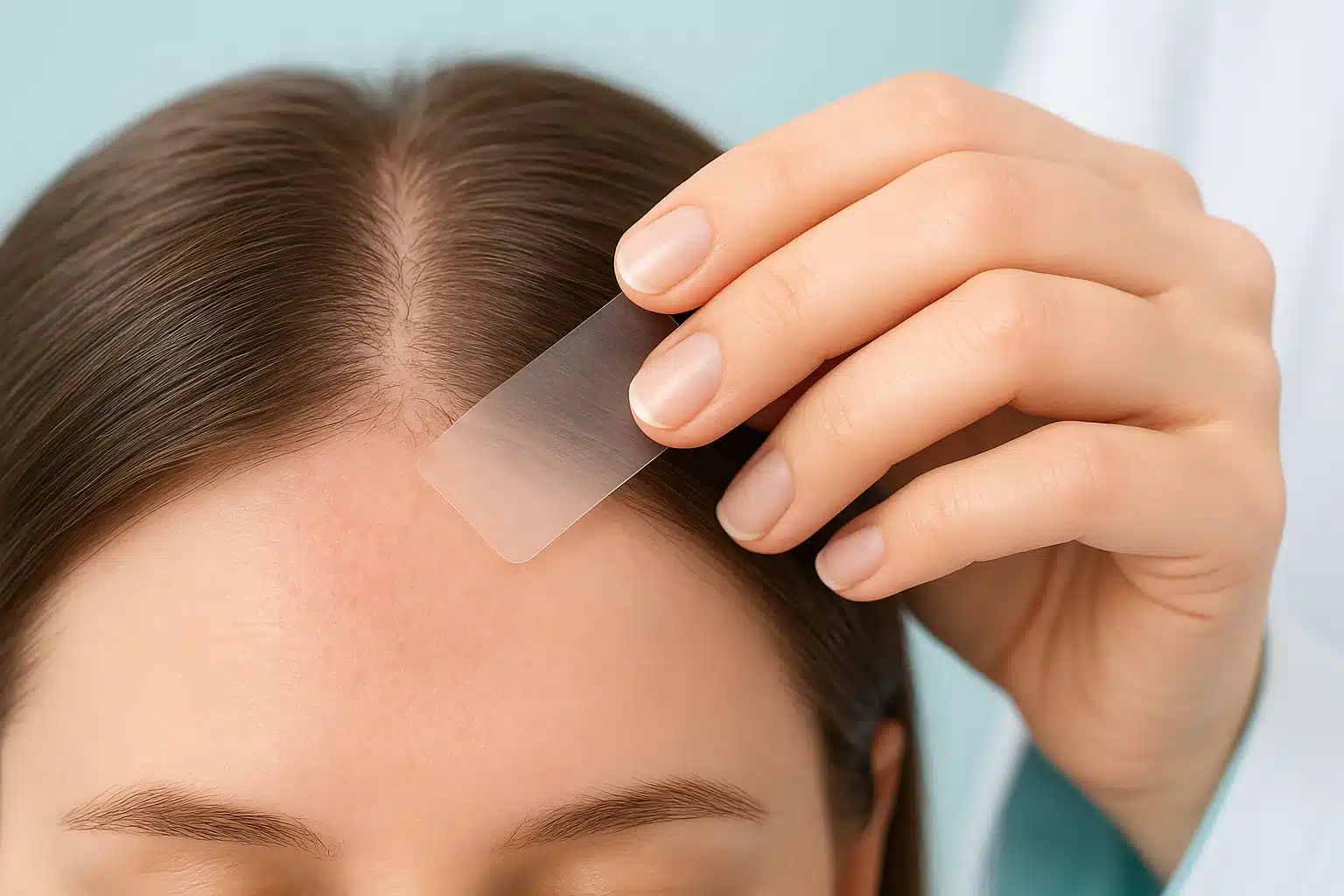
Never apply a new adhesive to your full scalp without testing it first. Apply a small drop of liquid adhesive or a piece of tape behind your ear or on your inner forearm. Leave it unwashed for 48 hours. If you notice redness, itching, or blisters, you have likely identified a chemical sensitizer.
2. Epidermal Barrier Protection
Before applying any adhesive, your scalp must be prepped. After using a pH-balanced cleanser, the application of a medical-grade, copolymer scalp barrier film is non-negotiable.
How does it work? Scalp protectors don’t just “soothe” the skin. They deposit a micro-thin, water-insoluble, breathable film on your scalp. This acts as a secondary physical barrier, preventing chemical monomers in the wet adhesive from directly penetrating the stratum corneum of your skin. This simple step is one of the most effective ways to prevent an uncomfortable wig rash on forehead perimeters.
3. Optimizing Your Maintenance Window
During your 3-to-4-week maintenance cycle, proper wig care is paramount. Leaving a system on too long causes adhesives to organically degrade. As they break down, they release irritating chemical byproducts. Regular, professional cleaning prevents this breakdown.
Alternative Attachment Solutions for Sensitive Scalps
If you discover you have a genuine allergy to standard acrylic adhesives, you do not have to give up your hair system. Community-driven initiatives like hair to help and modern concepts similar to the watson hair system underscore a growing demand for inclusive, skin-friendly solutions.
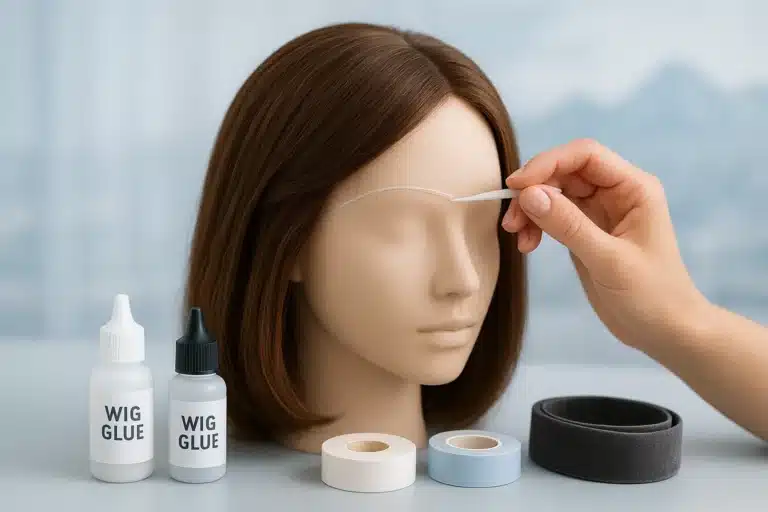
- Water-Based Copolymer Adhesives: Transitioning to a high-quality hypoallergenic wig glue that uses a water base rather than harsh chemical solvents can completely resolve mild sensitivities.
- Hypoallergenic Medical-Grade Tapes: Switching from a full-head liquid bond to perimeter tape bonding reduces the surface area of skin contacting the adhesive, allowing the center of your scalp to breathe freely.
- Mechanical Clip-On Adaptations: For severe allergies, systems can be customized with hypoallergenic micro-clips, securing the prosthetic safely to your existing natural hair without any adhesive whatsoever.
- Alternative Systems: For comparison, mesh-based integration options like the intralace hair system nz utilize a breathable matrix anchored directly to existing hair, omitting the need for a solid membrane or liquid adhesives entirely.
Safe Medical Intervention and Scalp Recovery
If you are experiencing an active flare-up, the golden rule of hair restoration is: Never apply adhesive to broken, bleeding, or actively inflamed skin.
During your service window (when the hair system is removed), consider these safe dermatological interventions for routine wig maintenance:
- Calm the Flare: Short-term use of mild, over-the-counter topical corticosteroids (like 1% hydrocortisone cream) can calm active dermatitis quickly.
- Restore the Barrier: Apply non-comedogenic, fragrance-free barrier repair lotions containing ceramides and lipids. This helps rebuild the skin’s natural defenses before re-bonding.
- Adjust Your Lifestyle: If you are highly active, implementing a specialized wig care routine that accounts for frequent sweating and swimming will help manage the occlusive effect.
Frequently Asked Questions (FAQ)
Can I be allergic to the actual 3D-printed CNC base?
It is incredibly rare. The Cesare Ragazzi CNC base is made from a clinically tested, biocompatible co-polymer resin with antibacterial silver ions. In 99% of cases, irritation is caused by the adhesive, improper removal, or trapped sweat—not the membrane itself.
How do I know if my scalp irritation is just trapped sweat or an allergy?
If the irritation is strictly confined to where the adhesive sits, and it feels more like burning or dry tightness, it is likely irritation or trapped sweat (ICD). If the redness is spreading beyond the adhesive lines, features tiny blisters, and is intensely itchy, it is more likely an allergy (ACD).
Will using adhesive remover damage my scalp?
It can if used improperly. Citrus-based (d-limonene) or alcohol-based removers are highly effective at dissolving bonds, but they can strip your scalp’s natural lipid barrier. Always wash your scalp thoroughly with a gentle cleanser after using removers to protect your skin.
Can I transition away from liquid adhesives easily?
Absolutely. Many clients transition to hypoallergenic perimeter tapes or request their systems be modified with micro-clips for a completely adhesive-free attachment.
Continuing Your Hair Restoration Journey
Navigating hair loss is deeply personal, and dealing with scalp sensitivities shouldn’t add to the burden. By understanding the science behind adhesives, utilizing barrier protections, and knowing how to troubleshoot irritation, you can enjoy the confidence of a flawless hair system without compromising your skin’s health.
At Wig Superstore, our mission is to empower you with the knowledge and high-quality products you need to feel beautiful, comfortable, and thoroughly supported. If you’re ready to explore healthier adhesive options or learn more about optimizing your scalp care routine, continue browsing our educational resources to find the perfect, comfortable fit for your unique needs.