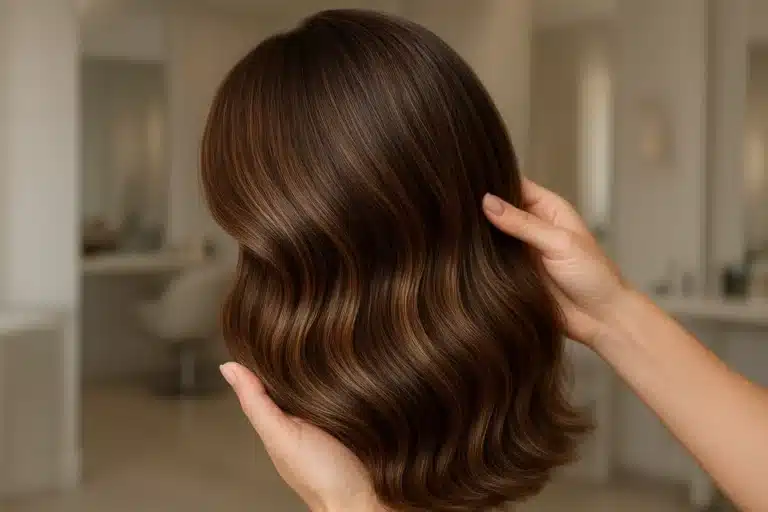
Wig shopping is rarely just a transactional purchase. For the vast majority of people, it’s an emotional, high-stakes journey triggered by hair loss, medical treatments, or the desire for a profound identity shift. When you’re standing in front of a mirror, holding a hairpiece for the first time, it’s entirely normal to feel overwhelmed by industry jargon and the underlying fear of “looking fake.”
While we have previously mapped out major metropolitan landscapes—such as our comprehensive guide to evaluating the best wig stores in San Francisco CA for a flawless fit—the Indianapolis market presents a unique blend of local legacy boutiques and virtual-first competitors. You don’t just need a store; you need a trusted guide. This educational resource is designed to demystify the process, helping you understand everything from hair density customization and cap construction to finding the right Indianapolis specialist to cut, style, and secure your new look.
The Realist’s Welcome: Overcoming the First-Time Wig Hurdle
If you’re desperately searching for natural looking wigs, the secret usually isn’t found in a box—it’s found in the stylist’s chair. A common misconception among beginners is that a premium wig should look flawless the moment you take it out of the packaging. In reality, most high-quality wigs require personalized calibration.
When you understand the mechanics of how a wig is made, you can finally let go of the anxiety that your hairpiece looks artificial. It simply needs to be customized to your unique face shape and head structure.
Why Out-of-the-Box Wigs Look Fake (And How Stylists Fix It)
Have you ever tried on a wig and felt like you were wearing a helmet of hair? There is a scientific reason for this. Wigs are manufactured with 120% to 150% hair density to ensure there are no sparse patches. However, a natural human head typically has significantly lower density, especially around the delicate hairline and temples.
Local Indianapolis stylists use a specific “Toolkit” to fix this:
- Density Calibration: Using thinning shears and a technique called slide-cutting, a professional stylist removes bulk from the crown and temple areas, immediately eliminating that top-heavy, artificial look.
- Custom Hairline Plucking: Natural hairlines are imperfect. Stylists use tweezers to randomly pluck the hairline, mimicking natural hair growth patterns.
- Lace Customization & “Melting”: The lace material is carefully trimmed to match the unique shape of your ear tabs and forehead, often tinted to match your skin tone seamlessly.
- The Steam Treatment: This professional technique trains fibers to fall naturally away from your face rather than drooping heavily into your eyes.
The Anatomy of a Natural-Looking Wig
To have a productive conversation with an Indianapolis wig specialist, it helps to understand the technical foundation of your hairpiece. Naturalness is built like a pyramid: starting with the right size, moving up to the cap construction, and finishing with custom styling.
Fiber Reality Check: Synthetic vs. Human Hair
A major “Aha!” moment for many beginners is realizing that human hair isn’t automatically better for everyone. If you struggle with fatigue from medical treatments or simply want low-maintenance beauty, heat-friendly synthetic wigs or premium blends (like EnvyHair, which is 30% human hair and 70% synthetic) are often superior. They hold their style after washing, meaning your perfect blowout remains intact without an hour of heat styling.
Cap Architecture Demystified
- Lace Fronts: Premium lace front wigs create the illusion of a natural hairline, allowing you to confidently pull the hair away from your face.
- Monofilament Tops: This feature involves hair hand-tied into a sheer micro-mesh, creating the illusion of hair growing directly from your scalp and eliminating the telltale “ridge” of fabric seen on cheaper wigs.
- Hand-Tied Caps: Every single hair is tied by hand to a soft, stretchy cap, providing the most natural movement and supreme comfort for sensitive scalps.
The “Natural Gray” Factor
Transitioning to gray is a massive trend, but natural-looking gray wigs are surprisingly hard to find. Cheap gray fibers often have an unnatural, shiny, or slightly purple/blue tint. If you are looking for silver tones, prioritize dimensional gray wigs that feature ash, silver, and slate lowlights to avoid a flat, artificial appearance.
3 Common Mistakes Beginners Make (And Quick Fixes)
- Wearing the Wig Too Low: Beginners often pull the wig down too far onto their forehead to cover their natural hairline, which completely disrupts facial proportions. The Fix: Use the “four-finger rule”—your wig’s hairline should start roughly four finger-widths above your eyebrows.
- Starch-Flat Partings: A perfectly straight, flat part screams “synthetic.” The Fix: Take a small makeup brush and apply a tiny amount of your daily concealer or translucent powder along the monofilament part to seamlessly match your natural scalp color.
- Skipping the Under-Cap Prep: Shoving uneven natural hair under a cap creates visible lumps. The Fix: Use the “bald cap method” or simple, flat braiding patterns to create a smooth, symmetrical foundation.
Finding Your Perfect Match: Head Measurements
You wouldn’t buy a pair of designer shoes without knowing your shoe size, yet countless people buy wigs without taking measurements. A poorly fitted cap causes tension headaches, slipping, and temple pressure. Using a proper wig size guide is your first step to comfort.
You will need six specific measurements:
- Circumference (around the entire head)
- Front-to-Back (hairline to nape of the neck)
- Ear-to-Ear across the forehead
- Ear-to-Ear over the top of the crown
- Temple-to-Temple around the back of the head
- Nape of the neck width
Checkpoint: If your circumference is under 21 inches (Petite) or over 23 inches (Large), you almost certainly need a professional custom fitting to ensure security.
Navigating the Indianapolis Wig Landscape: An Expert Directory
The Indianapolis market offers several exceptional providers, but finding the right one depends entirely on your specific needs. Here is a breakdown of the local landscape:
- Best for Medical Hair Loss & Insurance Billing: Shar’s Hair Wig Boutique (Naab Road)Shar’s operates on a compassionate medical advocacy model. They are BOC Facility Accredited and highly authoritative in handling direct medical insurance billing. They partner heavily with local cancer support networks (like Little Red Door) and offer private fitting rooms, making them the gold standard for navigating medical hair loss with dignity.
- Best for High-Fashion & Custom Installations: Taylor’d Made by Couture (East 82nd Street)If you are looking for an active salon environment specializing in advanced adhesive or glueless lace front installations, Taylor’d Made is excellent. They excel at custom styling, bulk reduction, and blending wigs with your natural hair.
- Best for Value & Complete Service: Wigs We Care (Greenwood)Operating with a deep legacy in the Indianapolis area, Wigs We Care focuses heavily on providing extreme value. They champion high-quality blends and emphasize that custom fitting, thinning, and styling are included at no extra cost with your purchase. (Note: Check their hours, as they typically operate Wednesday through Saturday).
- Best for High-End Virtual Customization: Chavie Russell WigsFor those with a higher budget seeking premium human hair units without leaving their home, Chavie Russell operates a luxury virtual-first model in the Indy/Chicago area. They offer FaceTime sizing consultations and mail-in customizations for ultra-modern hairstyles.
The Indiana Medical Insurance Checklist
Many individuals undergoing chemotherapy or dealing with alopecia are completely unaware of a massive financial resource: health insurance. If you need a hairpiece for a medical condition, you aren’t shopping for a wig—you are shopping for a cranial prosthesis.
When evaluating medical wigs, follow this exact checklist to seek reimbursement in Indiana:
- Get the Right Prescription: Ask your oncologist or dermatologist to write a prescription specifically for a “Cranial Prosthesis” (never let them write “wig”). Make sure they include your specific Medical Condition Code (ICD-10 code).
- Secure an Itemized Invoice: Purchase your piece from an accredited local provider (like Shar’s Hair) who can provide a proper receipt containing their Tax ID and National Provider Identifier (NPI) number.
- Submit with a Letter of Medical Necessity: Have your doctor draft a brief letter explaining why the prosthesis is medically necessary for your mental well-being and recovery. Submit this bundle directly to your insurance provider.
Frequently Asked Questions for Beginners
Can you cut and thin a synthetic wig?
Yes, but it must be done by a professional. Regular scissors can fray and ruin synthetic fibers. Specialists use professional texturizing shears and specialized slide-cutting techniques to remove bulk safely, ensuring the wig falls beautifully around your face.
How do I integrate a wig if my hair is only thinning at the crown?
If your hairline is intact but you are experiencing crown thinning, ask your local stylist about a “half-wig” or a topper. They can teach you integration techniques where your natural front hair is blended over the hairpiece, offering instant volume with zero visible boundaries.
How do I maintain my wig long-term?
Proper maintenance doubles the lifespan of your piece. Synthetic wigs should generally be washed every 6 to 8 wears using specialized wig shampoo. Never brush a wet synthetic wig, and only use wide-tooth combs or specialized detangling brushes to prevent shedding and fiber stretching.
Taking the Next Step
Entering the world of wigs and hairpieces doesn’t have to be a solitary or frustrating experience. By understanding the basics of cap construction, density calibration, and medical insurance loopholes, you are already miles ahead on your journey to reclaiming your confidence.
Whether you decide to visit a private fitting room on Naab Road or book a virtual consultation, remember that the perfect fit isn’t just about measurements—it’s about how the hair makes you feel. Take your time, lean on the expertise of professional Indianapolis stylists, and allow yourself the grace to explore a look that makes you feel entirely, authentically you.