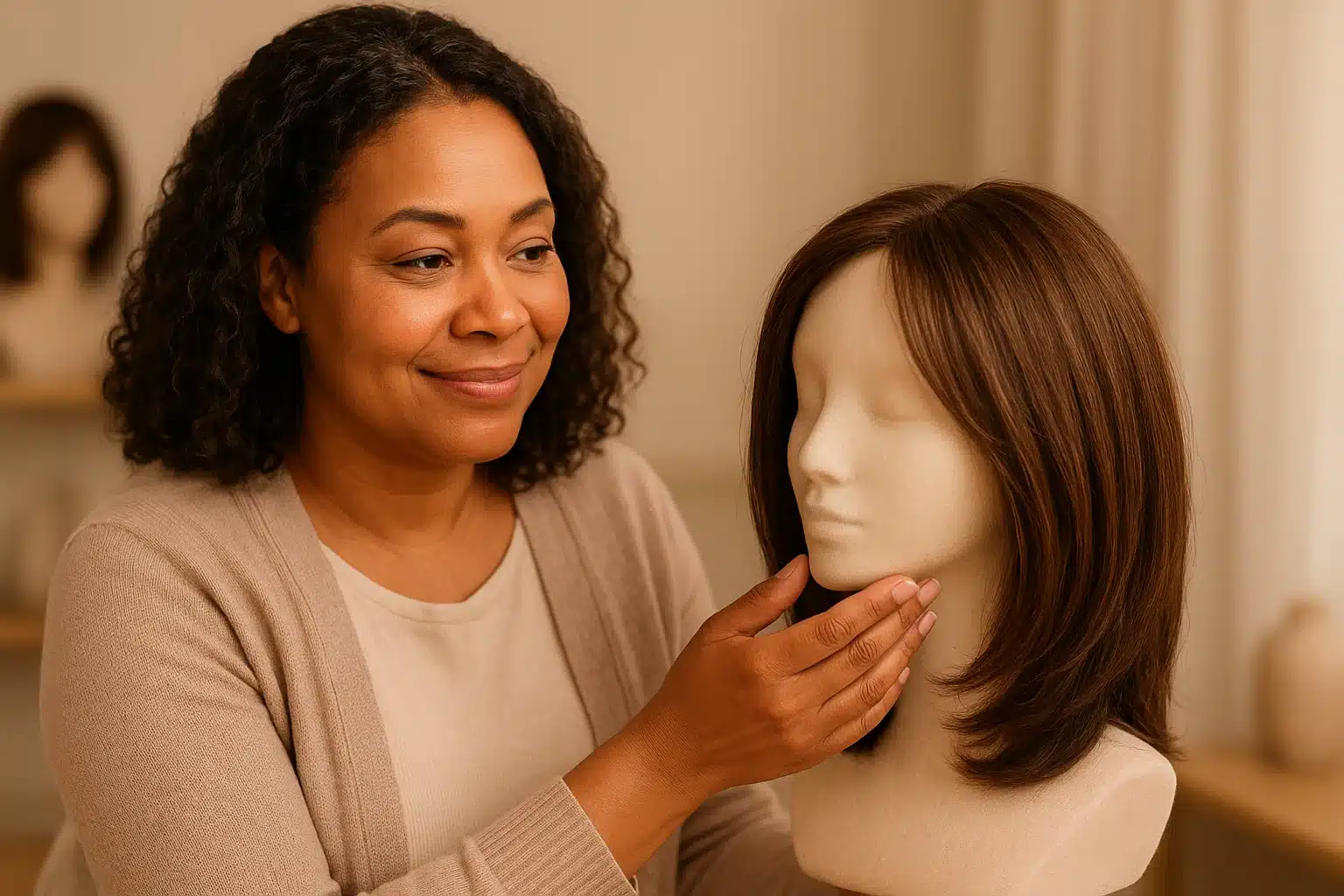
Stepping into a wig shop for the first time can feel incredibly daunting. Whether you are navigating the emotional weight of medical hair loss, experiencing age-related thinning, or simply looking to protect your natural hair while exploring new styles, the anxiety of the unknown is completely normal. Most beginners find themselves staring at endless walls of hair, silently wondering, “Will this look fake on me?” or “Where do I even begin?”
If you’re starting this journey in Northern California, finding the right environment is just as important as finding the right hairpiece. Navigating the sheer volume of wig shops in Sacramento requires a bit of an insider’s map. You don’t just need a place that sells hair; you need a space that offers guided, patient, and educational consultations, transforming a potentially terrifying experience into an empowering act of self-care.
Demystifying the First-Time Wig Experience
When buying a wig for the first time, online directories and aggregator reviews aren’t much help. They tend to group massive, loud warehouse beauty supplies right next to intimate, medical-focused boutiques based purely on star ratings.
As a beginner, walking into a self-serve retail space when you actually need a quiet, private consultation room can be overwhelming. Before you can match yourself with the right local store, it helps to understand the basic language of wigs so you can walk through the door with confidence.
The Technical Primer: Wig Anatomy for Beginners
Wig terminology can sound like a foreign language. Let’s translate the salon jargon into plain English so you know exactly what you’re looking at.
Fiber Decoding: The Cost-Per-Wear Formula
The hair material you choose dictates both your budget and your daily maintenance routine.
- Traditional Synthetic: These are incredibly budget-friendly and low maintenance. Because they have “style memory,” they hold their shape even after washing. The trade-off? They are highly sensitive to heat and friction.
- Heat-Friendly Synthetic: These fibers allow you to use low-heat styling tools to change your look. However, they are more prone to friction frizz against your collar and require specialized care products.
- Human Hair: Offering unmatched movement, texture, and durability, human hair is the gold standard. While synthetic wigs might last 3 to 6 months with daily wear, a high-quality human hair wig can last over a year. When you calculate the “cost-per-wear,” human hair often becomes a highly cost-effective long-term investment for daily wearers.
Cap Construction: The Breathability vs. Realism Scale
The cap is the foundation of the wig. Your choice here determines how comfortable the wig feels and how natural the scalp looks.
- Basic/Wefted Caps: Think of this like a screen door. It features open strips of weft that allow for maximum air circulation, keeping you cool. It’s highly affordable, though the styling direction is permanently fixed.
- Monofilament (Mono Top): Think of this like a fine silk blouse. It features a fine, sheer mesh where individual hairs are hand-tied, mimicking a real scalp. It is incredibly soft, moves with you, and allows you to part the hair in any direction.
- Lace Front: Featuring sheer lace along the forehead, lace front wigs create an invisible, seamless hairline. This is the crucial “aha” feature you need if you want to wear styles pushed away from your face.
Sizing 101
Just like shoes, wigs come in different sizes (Petite, Average, and Large). Finding your correct measurements—circumference, ear-to-ear, and front-to-back—prevents the wig from riding up or causing tension headaches. Before you shop, checking a reliable wig size guide can save you hours of frustration.
Sacramento’s Wig Ecosystem: Finding Your Perfect Store Match
Sacramento’s retail landscape is diverse. Instead of ranking stores from best to worst, it’s far more helpful to group them by the vibe and experience they offer.
The Private Boutique Experience (Highly Recommended for Beginners & Medical Hair Loss)
If privacy, empathy, and specialized medical knowledge are your priorities, seek out boutiques that operate by appointment.
- Wigs R You (Roseville): Known for their highly compassionate, phone-vetted process. They pre-screen your needs before you even arrive to ensure your private fitting room is ready. Their focus is heavily oncology-driven.
- Tresses by Juless (Folsom): Specializing in premium, high-end human hair and custom-fit toppers. They offer a highly private, comfortable consultation focusing on blending pieces seamlessly with your existing hair.
- Elite Hair Loss Solutions (Sacramento): This environment is more clinical and highly professional. They are unmatched in their authority on medical-grade hair replacement and are experts at navigating insurance paperwork.
The Full-Service Urban Retailer
If you want a blend of retail browsing with professional styling capabilities, full-service salons are a great middle ground.
- The Wig Shoppe (Cottage Way): This walk-in shop focuses on the entire lifecycle of your wig. They have master stylists on-site who can trim, custom-fit, wash, and style your piece, ensuring you have ongoing support long after your purchase.
The Self-Serve Warehouse Experience
If you are budget-conscious, an experienced wig wearer, or simply looking for fun fashion and costume pieces, warehouse stores have massive inventories.
- King’s Wigs & Beauty Supply (Mack Rd, Natomas, Stockton Blvd): These expansive retail spaces offer a tremendous variety of styles at highly accessible price points. However, they lack private fitting rooms and one-on-one guided education, making them better suited for those who already know what they are looking for.
Preparing for Your Local Consultation
Once you’ve selected a store that matches your needs, preparation is key to a successful visit.
The Booking Blueprint
Call ahead. Boutique experiences often require booking 1 to 2 weeks in advance. Ask if there is a consultation fee, and importantly, ask if that fee is applied toward your final purchase.
What to Wear and Bring
- Your Hair: Wear your natural hair as flat as possible (e.g., flat braids or a slicked-back low bun), or bring a clean nylon wig cap.
- Your Outfit: Wear a neutral-colored top with a neckline that matches your daily wardrobe. This helps you visualize how the wig will look in your everyday life.
- Your Inspiration: Bring photos of your natural hair from a few years ago, or Pinterest photos of styles you admire.
The 5 Essential Questions to Ask Your Stylist
Don’t be afraid to interview your consultant! Keep this checklist handy:
- “Is this cap construction basic wefted, or does it have monofilament features for parting?”
- “What specialized wig care and washing products do I need to maintain this specific fiber?”
- “Do you offer custom cutting, thinning, or lace-trimming services on-site?”
- “Can this piece be classified as a cranial prosthesis, and will you provide an itemized medical receipt for my insurance provider?”
- “What is your return or exchange policy if I get home and the cap feels too tight?”
Insider Tips for First-Time Wearers
The “Four-Finger Rule”The number one reason beginners think a wig looks “fake” is that they pull it too far down on their forehead. To find your natural hairline, place four fingers flat horizontally just above your eyebrows. Your wig’s hairline should start right above your top finger. This instant adjustment is a massive breakthrough for achieving a natural look.
The First 30 DaysYour new wig will feel like a lot of hair at first. Give yourself grace. Store it on a proper wig stand to maintain its shape, use only specialized wide-tooth combs, and practice wearing it around the house for a few days before debuting it at work or a social event.
Frequently Asked Questions (FAQ)
Do wigs look fake?
Not if they are chosen and worn correctly! High-quality wigs with lace fronts and monofilament tops mimic the look of natural hair growth and a real scalp perfectly. Proper placement on the forehead and a customized trim from a stylist also eliminate the “wiggy” look.
Can I use my health insurance to pay for a wig in California?
Often, yes. If your hair loss is due to a medical condition like alopecia or chemotherapy, your doctor can write a prescription for a “cranial prosthesis.” Many private boutiques in Sacramento can provide you with the specific medical coding and itemized receipts required to submit a claim to your insurance company.
Are wig consultations free?
It varies by location. Large warehouse stores generally allow free, self-guided browsing. Intimate boutiques often charge a consultation fee (typically ranging from $25 to $50) for their dedicated time and expertise, but this fee is frequently applied as a credit toward the purchase of your wig.
How do I keep a wig secure if I have total hair loss?
You don’t need natural hair to keep a wig secure. Specialized velvet wig grips, medical-grade double-sided tapes, and silicone-lined caps are designed specifically to adhere comfortably and securely to a bald scalp.
Taking the Next Step on Your Hair Journey
Buying a wig isn’t about covering up; it’s about reclaiming your confidence, protecting your natural hair, and exploring a world of versatile styles. By choosing a Sacramento wig store that aligns with your educational needs and comfort level, you set yourself up for a beautiful, stress-free experience.
Take your time, ask plenty of questions, and remember that every seasoned wig wearer was once a beginner too. When you are ready to explore further, continue researching cap constructions, care routines, and styling tips so that when you finally sit in that consultation chair, you’ll feel completely at home.