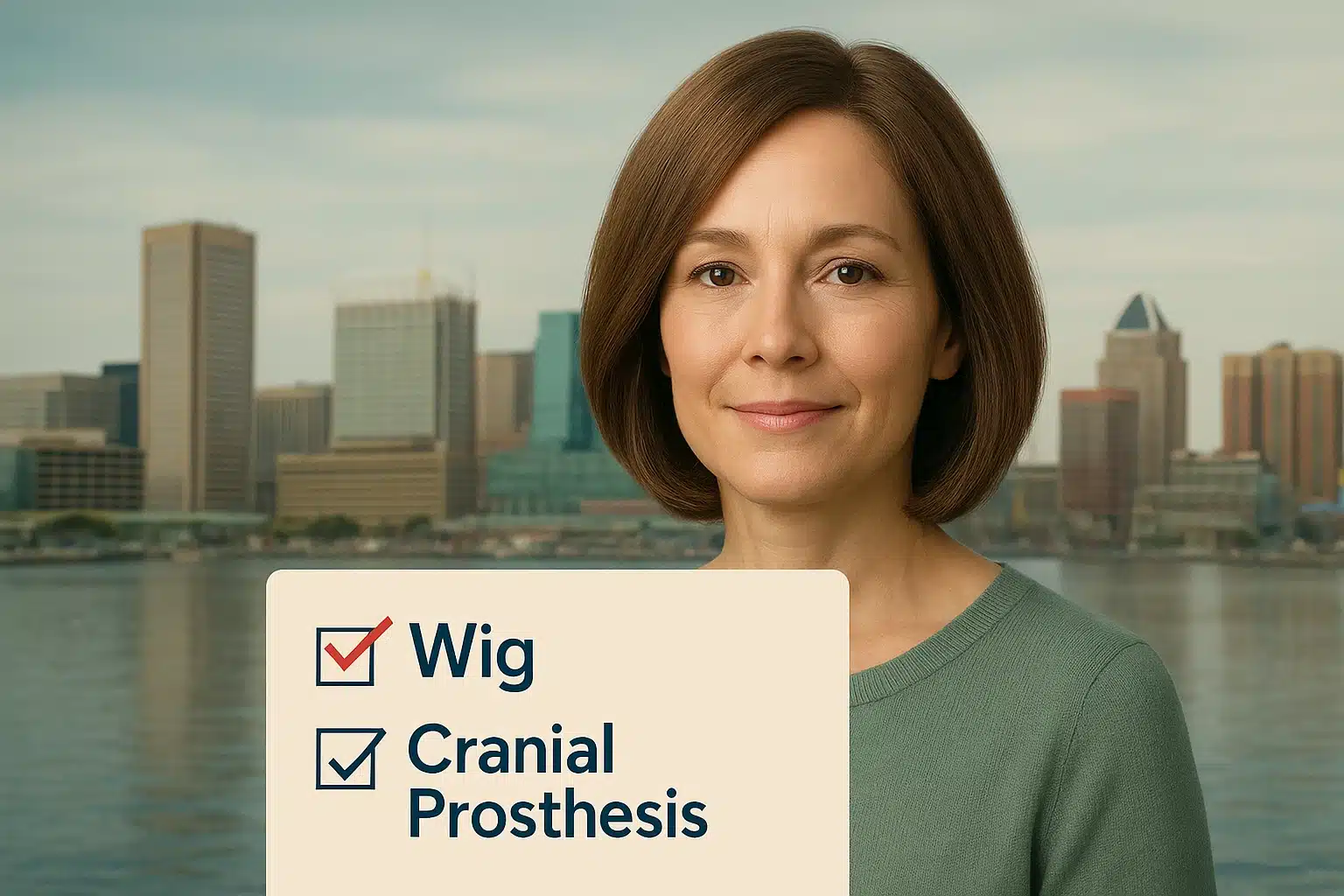
Experiencing medical hair loss—whether due to chemotherapy, radiation, alopecia, or trichotillomania—often feels like being dropped into a foreign country without a map. You’re already managing complex medical treatments, and suddenly, you’re forced to navigate the confusing intersection of healthcare policies, retail boutiques, and insurance terminology just to reclaim your personal reflection. It is an incredibly emotional transition, and knowing where to start can be overwhelming.
You might assume your first step is simply driving to the nearest salon, but the world of medical hair replacement operates under a completely different set of rules. While checking out our comprehensive guide to the best wig stores in Baltimore, MD is a fantastic way to understand the local landscape, there is a vital foundation you need to build first. To successfully secure coverage and find the right support, you need to understand how health insurance views hair loss, exactly what to ask your doctor, and where to find specialized resources throughout Greater Baltimore.
The Costly Difference Between a “Wig” and a “Cranial Prosthesis”
Here is the biggest “aha moment” most patients discover only after a frustrating denial letter: in the eyes of an insurance company, the word “wig” implies a cosmetic, lifestyle accessory. Cosmetic items receive zero coverage.
However, if you suffer from medical hair loss, you aren’t looking for a fashion accessory. You require a cranial prosthesis—a term that classifies your hairpiece as Durable Medical Equipment (DME). When categorized correctly as a prosthetic device, many insurance plans unlock annual allowances ranging from $300 to upwards of $4,000 for your hair replacement.
This simple shift in vocabulary dictates everything from how your doctor writes your referral to how your local boutique prints your receipt.
The 5-Step Insurance Reimbursement Blueprint
Securing up to 80–100% reimbursement for your medical hairpiece doesn’t require a law degree, but it does require following a precise workflow.
Step 1: Pre-Verify Your Benefits
Before booking any consultations, call your insurance provider (like CareFirst BlueCross BlueShield, UnitedHealthcare, or Aetna). Ask them specifically: “Does my policy cover a cranial scalp prosthesis for medical hair loss under my Durable Medical Equipment benefits?” Be sure to ask if they require an in-network provider, what your maximum allowable benefit is, and what specific paperwork they need.
Step 2: Secure the Right Doctor’s Orders
You will need a Letter of Medical Necessity (LMN) and a formal wig prescription from your oncologist or dermatologist. The prescription must use the term “Cranial Prosthesis” or “Hair Prosthesis” and clearly state the medical condition causing the hair loss.
Step 3: Speak the Language of Billing Codes
Insurance claims are processed by computers looking for specific alphanumeric codes. Submitting generic receipts is a guaranteed path to rejection. Ensure your paperwork includes the proper wig cpt code (HCPCS) and diagnosis code (ICD-10).
- HCPCS Codes: A9282 (Wig, any type, each) or S8095 (Wig items for medical hair loss).
- ICD-10 Diagnosis Codes: L63.0 (Alopecia totalis), L63.9 (Alopecia areata, unspecified), L65.9 (Non-organic hair loss), or the specific Oncology C-codes provided by your doctor for chemotherapy-induced alopecia.
Step 4: Beware the Missing Tax ID
A staggering 82% of out-of-pocket claim rejections happen for one easily preventable reason: the receipt came from a standard retail store that lacks a National Provider Identifier (NPI) or a Tax Identification Number (EIN) registered for medical billing. Before you buy, always ask the provider if they can supply an itemized medical invoice containing their Tax ID.
Step 5: File and Track Your Claim
Keep a detailed log of every phone call, reference number, and representative name. Submit your doctor’s LMN, the prescription, and the compliant invoice as a single packet. If your claim is denied initially—which is incredibly common—don’t panic. Simply follow the appeals process, usually clarifying the terminology or providing the missing diagnosis code.
Mapping Your Baltimore Support Ecosystem
Baltimore is home to world-class medical institutions and specialized boutiques. When evaluating wig stores in Baltimore, it’s helpful to understand the different types of providers available to you.
Hospital Support Programs
If you are currently undergoing chemotherapy and need immediate, cost-effective support, several local hospitals offer phenomenal non-profit programs:
- Mercy Medical Center – Helping Hands Wig Program: This incredible initiative provides free headwear, fittings, and wigs for active chemotherapy patients. You can reach them directly at 410-332-9229.
- GBMC – Marion G. Thompson Boutique: An appointment-only, hospital-linked salon designed specifically to assist oncology patients with appearance-related side effects in a private, compassionate setting.
Private Specialized Boutiques
For those seeking highly customized pieces or transitioning to long-term hair replacement, the Greater Baltimore area boasts several specialized providers capable of handling medical invoices. Reputable names include Lena’s Wigs in Baltimore City, Eldorado Hair Replacement in the White Marsh/Towson area, Melessa’s Weave Palace in Federal Hill, and Crowning Alternatives in Linthicum Heights.
At these specialized boutiques, you can explore premium options like custom human hair wigs. Keep in mind that high-quality, custom human hair pieces in the regional market typically range from $2,400 to $4,000, making that insurance reimbursement all the more crucial.
Bridging the Gap: Finding the Perfect Fit
Medical hair loss often brings unique challenges, such as a highly sensitive scalp. A standard fashion wig can cause painful friction. During your wig fitting, ask your consultant about medical-grade cap constructions.
Look for 100% hand-tied caps and monofilament tops. These materials are incredibly soft against bare skin, mimic natural hair growth at the scalp, and offer breathable comfort that machine-wefted caps cannot match.
The standards for a properly documented cranial prosthesis remain largely consistent nationwide. So, whether you are comparing medical wigs right here in Maryland or looking at best practices from top clinics across the country, prioritizing a medically appropriate cap construction is universally recommended by dermatologists and hair loss specialists.
Frequently Asked Questions (FAQ)
Can I just use a receipt from an online store for my insurance claim?
Usually, no. Unless the online retailer provides a formal medical invoice complete with their Tax ID/EIN, proper HCPCS codes (like A9282), and specifically labels the item as a “cranial prosthesis,” your insurance company will likely reject it as a cosmetic purchase.
What if my insurance explicitly excludes cranial prosthetics?
If your policy has a strict exclusion for Durable Medical Equipment or prosthetics, look into alternative funding. Organizations like the EBeauty Wig Exchange, the American Cancer Society, and local programs like Mercy’s Helping Hands offer free or low-cost alternatives.
Should I see a dermatologist before buying a medical hairpiece?
If your hair loss is unexplained (not related to active chemotherapy), yes. A Baltimore dermatologist specializing in hair loss can evaluate whether clinical treatments, a medical spa scalp therapy, or even surgical options are viable before you invest in a prosthetic.
How often will insurance pay for a new cranial prosthesis?
This depends entirely on your specific policy. Some plans allow for one prosthesis per lifetime, while others allow for one every calendar year. Always verify the “frequency limits” when you make your initial pre-verification phone call.
Taking Your Next Step
Navigating medical hair loss is a profound journey, but you do not have to walk it without a compass. By mastering the language of insurance, collaborating with your doctor on the right prescription, and leaning into Baltimore’s robust network of hospital programs and specialized boutiques, you can take back control of your reflection.
Focus on your health and healing. Armed with this knowledge, you can approach the search for your perfect cranial prosthesis with confidence, knowing you have the tools to claim the coverage and support you deserve.