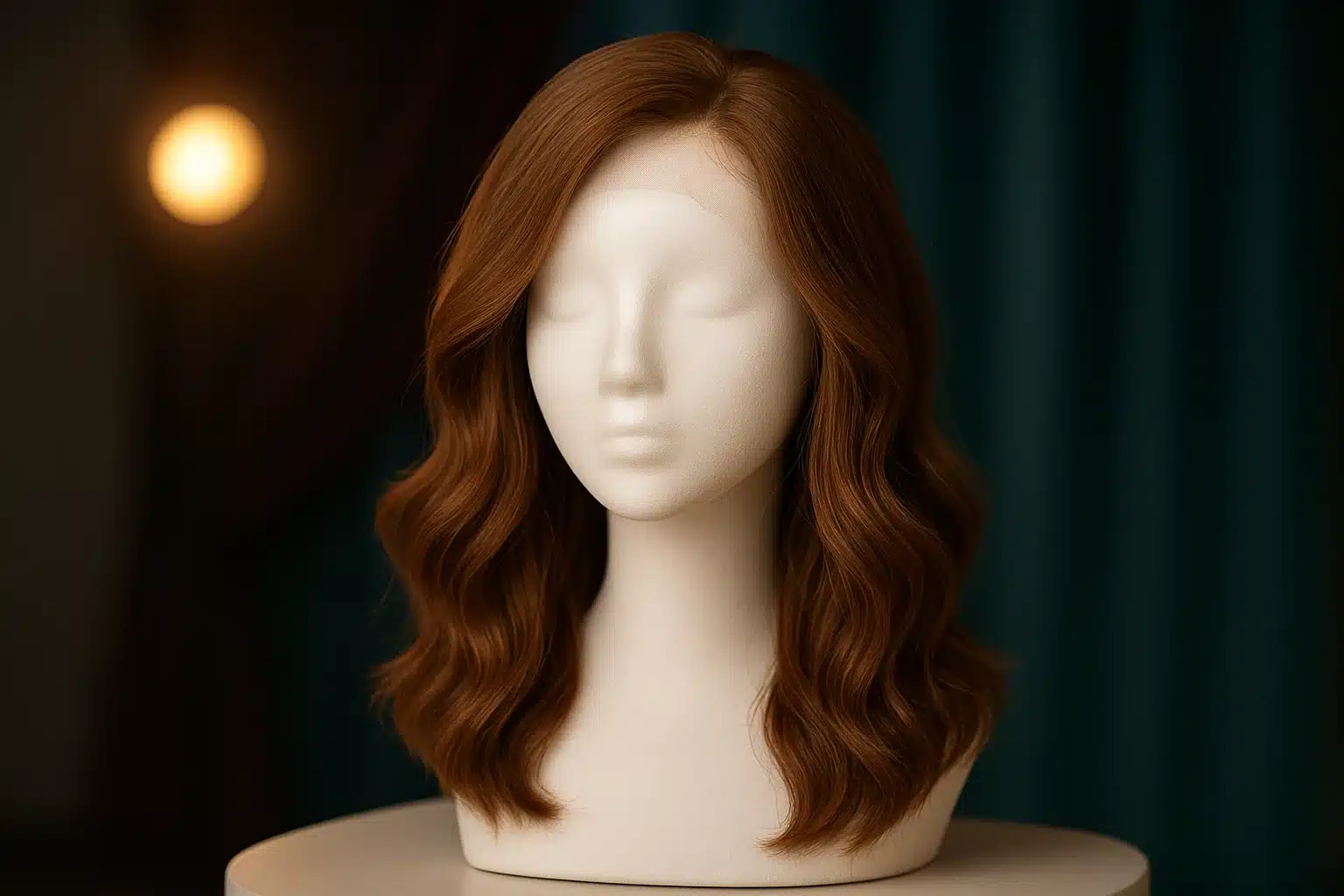
Whether you are a community theater director gearing up for a production at a local Kentuckiana playhouse or a dedicated cosplayer prepping for a regional anime convention, you know that the right hairpiece can make or break a character. Yet, when it comes to sourcing that perfect look, the local marketplace can feel surprisingly fragmented. Beginners frequently struggle to determine whether they should rent a theatrical hairpiece, buy an off-the-rack synthetic costume wig, or commission a bespoke lace-front build for their big debut.
That is exactly why we’ve put together this resource. We believe that finding the best wig stores in Louisville, KY requires a clear understanding of theatrical standards, cap construction, and fiber heat tolerance before you ever step foot inside a physical shop. By grounding your selection process in these educational frameworks, you can confidently navigate the local brick-and-mortar landscape and decide exactly what type of hairpiece your performance demands.
The Performance Hair Dilemma: Rent, Buy Off-the-Rack, or Commission?
One of the most common questions performers face is figuring out the economics of stage hair. Should you rent or buy? The answer depends entirely on your specific usage, budget, and desired longevity.
- Buying Off-the-Rack ($20–$60): This is ideal for single-use Halloween parties, one-day conventions, or background characters. While these pieces are highly affordable, they often lack the durability to survive a multi-week theater run and usually cannot be restyled.
- Renting ($50–$150 per week): Renting from costume warehouses or theater departments makes sense for period-specific theater runs or multi-piece ensemble shows (like needing twenty powdered wigs for an 18th-century play).
- Custom Commission or Premium Salon Fit ($300–$1,500+): When you are playing a lead role, portraying a recurring historical figure (like a professional Santa or historical reenactor), or engaging in elite cosplay, investing in a custom or premium realistic wig becomes necessary. These units offer maximum breathability and look incredibly natural under harsh stage lighting or high-definition cameras.
The Technical Anatomy of a Stage-Ready Wig
Why do standard costume wigs often look so artificial under stage lights? It usually comes down to three factors: excessive fiber density, a shiny plastic appearance, and an unnatural hairline. Understanding the anatomy of a wig helps you bypass these beginner traps.
Cap Construction and Stage Heat
Stage lighting is notoriously hot. When you add heavy costumes and nervous energy, maintaining a cool head is a mechanical necessity.
- Open-Wefted Caps: These are the most common and breathable caps, featuring rows of hair sewn onto elastic strips with open spaces in between. They allow air to circulate, making them great for active performers.
- Monofilament Crowns: These caps feature a sheer mesh at the crown where each hair is individually hand-tied. This mimics natural hair growth and allows performers to change the parting of the hair for different character looks.
- Theatrical Lace Fronts: Essential for roles where the hair is pulled back (like a slicked-back villain or a historical updo). The sheer lace at the forehead creates a seamless illusion of a natural hairline.
Demystifying Synthetic Fibers and Heat Styling
A tragic rite of passage for many beginners is melting a synthetic wig with a standard flat iron. Toy-grade plastic fibers have a heavy, unnatural shine and will melt under even the lowest heat settings.
If your character requires styling versatility, you need to understand fiber thresholds. This is why many stage wardrobe professionals specifically seek out heat friendly synthetic wigs. These advanced fibers can typically handle temperatures up to 300°F (150°C), allowing you to carefully use curling irons and straighteners to achieve era-specific styles without destroying the unit. For non-heat-friendly fibers, steam styling is the only safe method to alter the hair’s memory.
A Directory of Wig Stores in Louisville, KY for Performers
When you begin your search for local wig stores Louisville KY, you will quickly realize that different retailers serve entirely different theatrical needs. Here is how to navigate the regional landscape:
- Caufield’s Novelty (Main St, Louisville): A historic local leader since 1920, Caufield’s is your go-to destination for fast costume pickups, off-the-rack party wigs, and special effects (FX) makeup. If you need an entry-level wig for a quick Halloween party or a gag costume, this massive inventory is perfect.
- The Wig Shoppe (Shelbyville Rd, Middletown): If you need a premium synthetic lace front or a human-hair blend that looks highly realistic, this high-touch storefront bridges the gap between everyday wear and alternative fashion. They offer private consultation rooms and hands-on cap adjustments, making them an excellent middle-ground for serious cosplayers and actors wanting natural realism without a bespoke price tag.
- Custom Wig Company: This Louisville-based studio dominates the regional scene for elite, bespoke stage hair. Founded by a professional theatrical wig designer, they set the standard for hand-tied lace fronts, custom facial hair pieces, and impeccable historical accuracy. Note that they cater strictly to high-end theatrical needs and operate by appointment only.
Backstage Fitting and Application Masterclass
Having a great wig is only half the battle; knowing how to prep your natural hair and secure the wig for an active performance is where true stagecraft shines.
The “Four-Finger Rule” and Head Mapping
Before you can wear a wig properly, you have to measure for it. Theatrical wardrobe departments use a standard mapping protocol: circumference, front-to-nape, and ear-to-ear over the crown.
If you are setting up a workspace at home and wondering what size wig head should I get to style and store your pieces, always measure your own head’s circumference first so your canvas block matches your actual anatomy.
When applying the wig, follow the theatrical “Four-Finger Rule”: your wig’s hairline should sit exactly four finger-widths above your eyebrow ridge. Pulling a wig too far forward is the most common beginner mistake and instantly ruins the natural illusion.
Microphone and Quick-Change Preparation
If your theater production requires a lavalier microphone (a wire run up the back of the neck and over the ear or forehead), you must prep your hair accordingly. Creating a flat foundation of pin curls provides a sturdy base to anchor bobby pins, toupee clips, and mic wires. Make sure to leave adequate space inside an open-wefted cap to route the microphone pack without causing the wig to bulge unnaturally.
Wig Maintenance, Cleaning, and Rental Return Protocols
Whether you bought a high-end unit or rented a lot from a local costume warehouse, proper hygiene and maintenance are crucial.
- Detangling: Always use a wide-tooth comb and work from the ends of the hair upward to the roots. Using standard hairbrushes on synthetic fibers will cause frizz and irreversible damage.
- Washing: Wash stage wigs in cool water using specially formulated synthetic wig shampoos. Stage makeup, sweat, and spirit gum adhesives can break down the cap over time if not properly cleaned.
- Rental Contracts: If you rent, read the contract thoroughly! Most rental agreements have strict rules against cutting the hair, using harsh adhesives, or utilizing chemical dyes. Taking good care of the wig ensures you receive your full cleaning deposit back.
Frequently Asked Questions (FAQ)
What is the difference between a cheap Halloween wig and a stage-grade lace front wig?Cheap Halloween wigs are mass-produced with shiny, toy-grade plastics that melt under heat. They usually feature bulky hairlines and heavy densities. A stage-grade lace front wig uses sheer mesh at the forehead to mimic a natural hairline and features natural-looking fibers that move seamlessly under stage lighting.
Can I use heat styling tools on synthetic cosplay wigs?Only if the wig is explicitly labeled as “heat-friendly” or “heat-defiant.” Even then, you must keep tools below 300°F (150°C). If it is a standard synthetic wig, a regular curling iron will melt it instantly.
How do rental shops sanitize wigs between performers?Reputable theater departments and rental shops use an antibacterial spray designed specifically for wig caps, followed by a thorough hand-wash in cool water with specialized wig shampoo. The units are then air-dried and steamed to reset the fibers before being reissued to the next performer.
Taking the Next Step in Your Performance Journey
Finding the perfect wig for your next theatrical production or cosplay event doesn’t have to be a stressful guessing game. By understanding cap constructions, fiber types, and proper fitting techniques, you can walk into any Louisville wig shop with the confidence of a seasoned wardrobe professional.
Take the time to assess what your character truly needs, measure your head accurately, and don’t be afraid to ask local retailers questions about durability and heat resistance. With the right foundation of knowledge, you can elevate your performance and step out under the stage lights with absolute confidence.