There is a pervasive myth in the world of alternative hair: if you want a wig that looks like it’s actually growing out of your scalp, you have to spend thousands of dollars. While high-end, custom European hair pieces are certainly beautiful, they aren’t the only path to a confident, undetectable look. For many beginners or those navigating hair loss on a budget, the fear isn’t just about the cost—it’s the fear of the “wiggy” look. You know the one: unnatural shine, a hairline that sits too low, and density that looks more like a helmet than a hairstyle.
The secret to finding a realistic piece without breaking the bank lies in knowing what to look for. It’s about becoming a savvy investigator of construction features rather than just looking at the price tag. Whether you are looking for daily wear or occasional style changes, the process begins by selecting your ideal wig brand: matching quality to your unique needs & lifestyle. By understanding the mechanics of what makes hair move and settle naturally, you can find exceptional value options that rival their luxury counterparts.
The “Quality Filter”: How to Spot a Value Investment
The affordable wig market can be overwhelming. It is often saturated with vendors promising the world but delivering products that tangle after the first wear. To navigate this, you need a “Quality Filter”—a mental checklist that separates a “cheap wig” from a “value investment.”
The biggest mistake beginners make is equating “more hair” with “better value.” In reality, the most realistic wigs often have less hair than the budget options found on general marketplaces.
The Density Trap
If you see a budget wig boasting “250% Density,” proceed with caution. While it sounds luxurious, 250% density is roughly equivalent to two or three heads of hair on one cap. This creates a bulky, unnatural look that instantly signals you are wearing a wig.
For a look that mimics natural biological hair, look for 130% to 150% density. This range provides enough volume to look healthy and full, but it is light enough to move freely and lay flat against the head. The best wig brands understand that realism comes from movement, not mass.
Knot Science: The Hairline test
The “tell” of any wig is almost always the hairline. In traditional wig making, hair strands are tied to the lace base using knots.
- Double Knots: Durable but visible. They look like tiny black dots on the scalp, which can ruin the illusion of hair growth.
- Single Knots: These are smaller and harder to detect.
- Bleached Knots: A chemical process is used to lighten the knot so it blends with your skin tone.
When shopping for budget-friendly options, look for descriptions that mention “pre-plucked hairlines” or “single knots” at the front. This small detail adds significant value to the realism of the piece.
Material Matters: Synthetic vs. Human Hair
There is a long-standing belief that human hair is always superior to synthetic. However, modern technology has blurred these lines significantly. In fact, for a budget-conscious buyer, a high-quality synthetic wig can often outperform a low-quality human hair wig.
The Rise of Heat-Friendly Synthetic
Budget human hair often requires significant processing to achieve its texture, which can strip the cuticle and lead to matting. Conversely, premium synthetic fibers—often found in brands like Sensationnel or proprietary blends from major manufacturers—are designed to mimic the sheen and texture of protein-rich hair.
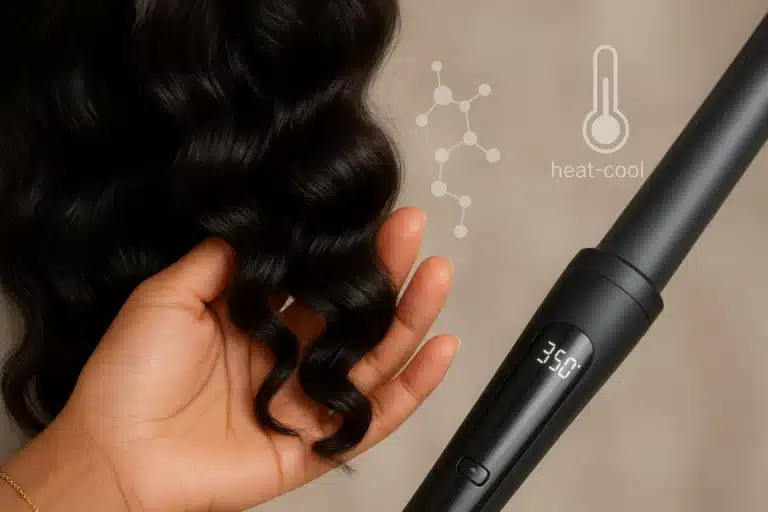
Many sensationnel wigs and similar advanced synthetic options offer “heat-friendly” fibers. This allows you to use low heat tools to smooth out friction frizz or change the curl pattern, giving you styling versatility previously reserved for human hair, but at a fraction of the cost.
The Importance of Cap Construction
The cap is the foundation of your wig experience. If the cap is bulky, the hair won’t lay right. If it’s itchy, you won’t wear it. Understanding wig cap construction is vital for finding a comfortable, natural-looking budget option.
Lace Fronts vs. Basic Caps
For the most natural look off the face (meaning you can sweep your hair back), a Lace Front is non-negotiable. The lace mimics the scalp, allowing the skin tone to show through.
- Budget Hack: Look for “Ear-to-Ear” lace rather than just a center patch. This allows you to tuck the hair behind your ears naturally, a small gesture that sells the reality of the hair.
The “Hat Wig” Solution
Sometimes, the most realistic budget option is the one that requires the least amount of work. “Hat Wigs” (wigs attached to caps or beanies) are often overlooked. For running errands or casual days, they eliminate the anxiety of the hairline entirely. They are a legitimate part of a realistic wig rotation, offering a “grab-and-go” solution that looks perfectly natural because it fits the context of casual wear.
Pro-Tips for Natural Placement
Even a $5,000 wig will look unnatural if it is placed incorrectly. One of the most common errors beginners make is wearing the wig too low on the forehead.
The 4-Finger Rule
To instantly improve the realism of any wig, use the 4-Finger Rule:
- Place your four fingers horizontally on your forehead, with your pinky resting on your eyebrows.
- Your wig’s hairline should start where your index finger lands.
Most biological hairlines start 3 to 4 finger-widths above the eyebrows. Pulling the wig lower shrinks your forehead and disrupts the natural proportions of your face, which is a subconscious signal to observers that something is “off.”
Longevity: The True Cost of a Wig
A budget wig is only a bargain if it lasts. If you buy a $50 wig that mats in a week, you will spend $600 a year replacing it. A $200 wig that lasts six months is actually cheaper in the long run.
The key to extending the life of your purchase is proper maintenance. Whether you choose synthetic or human hair, using the best wig care products is essential.
- Washing: Never scrub the hair like laundry. Gently submerge and squeeze.
- Detangling: Always start from the ends and work your way up to the root to prevent stretching the fibers or ripping the lace.
If you opt for a human hair piece, learning how to care for human hair wig fibers specifically—such as using hydration treatments to replace the natural oils the scalp would provide—can double the lifespan of your unit.
Frequently Asked Questions
Q: Can I sleep in my budget-friendly wig?
A: It is generally not recommended, especially for synthetic wigs. Friction against the pillow causes “friction frizz” and matting at the nape of the neck, significantly shortening the wig’s lifespan. If you must, use a silk bonnet and a silk pillowcase.
Q: How do I reduce the shine on a synthetic wig?
A: Synthetic fibers can sometimes have an unnatural “Barbie” shine right out of the box. A common community trick is to lightly dust the wig with dry shampoo. This dulls the sheen and gives the fiber a more realistic, matte texture.
Q: What is the difference between a Lace Front and a Closure?
A: A Lace Front usually extends from ear to ear, allowing for a natural hairline across the entire forehead. A Closure is a smaller patch of lace (usually 4×4 inches) sits only at the top center. Closures are often easier for beginners to put on (glueless), while Lace Fronts offer more styling versatility.
Q: How do I know if a wig is “Big Head” friendly?
A: Most average wig caps fit a circumference of 21.5 to 22.5 inches. If your measurements are larger, look for brands that specify “large cap” or check reviews for stretchability. Adjustable straps at the nape are standard on almost all quality wigs to help fine-tune the fit.
Next Steps
Finding a wig that makes you feel like you doesn’t require a celebrity budget. It requires a shift in perspective—prioritizing correct density, lace quality, and proper placement over brand prestige alone. By focusing on these construction elements, you can build a collection of hair that looks beautiful, moves naturally, and leaves you feeling confident every time you walk out the door.
Ready to explore options that fit this criteria? Take your time browsing collections that prioritize these construction standards, and remember that the best wig is the one that you feel comfortable wearing.