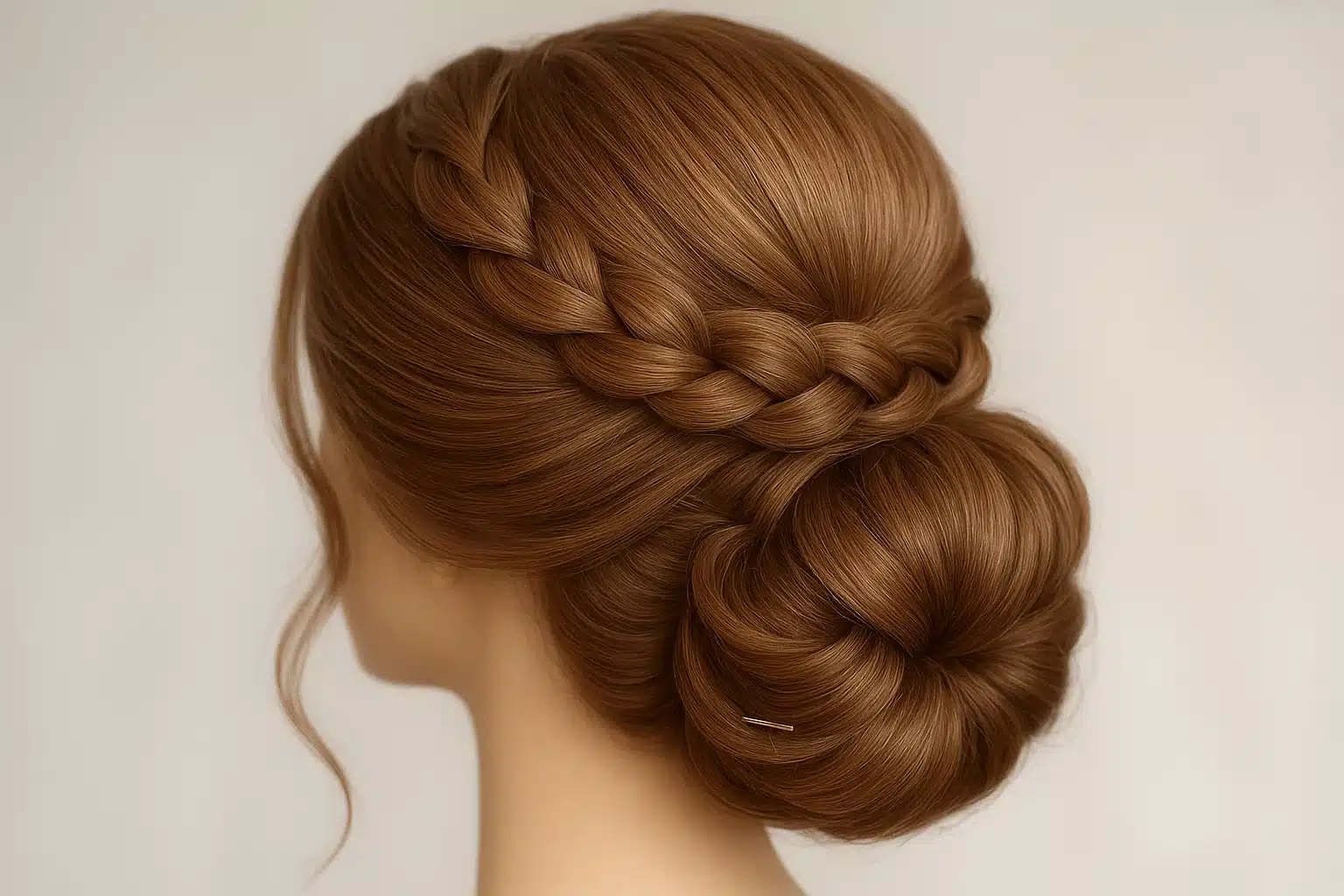
There is a common misconception that wearing a wig means sacrificing styling versatility. Many people believe that once you unbox a synthetic piece, you are committed to that specific style forever. However, the evolution of heat-friendly synthetic fibers has completely changed the landscape of alternative hair. Whether you are preparing for a wedding, a formal gala, or simply want to switch up your look for a night out, mastering Intricate Wig Styling: Updos, Braids & Special Occasion Looks is easier than you think with the right techniques.
If you’ve ever hesitated to attempt a fancy French braid or a romantic chignon on your wig for fear of ruining the fiber or exposing the cap, you aren’t alone. These are valid concerns, but they are also entirely manageable. By understanding the unique properties of heat-friendly fibers and adjusting your technique slightly from how you would treat biological hair, you can unlock a world of creativity.
The Science of Heat-Friendly Fiber
Before we dive into braiding and pinning, it is crucial to understand what you are working with. Unlike standard synthetic wigs, which have a “baked-in” style that cannot be altered, heat-friendly synthetic wigs are created with a special polymer that can withstand thermal styling tools—up to a point.
Think of heat-friendly fiber as a material with “thermal memory.” When you heat it, you aren’t just curling or straightening it; you are resetting its memory. Once the fiber cools in a new shape, it will hold that shape through rain, humidity, and wear until heat is applied again. This is actually a massive advantage over biological hair, which often falls flat or frizzes in humid weather.
The Golden Rule: Temperature Control
The most critical error beginners make is treating synthetic fiber like human hair. Human hair generally burns at around 450°F (232°C). Synthetic fiber has a much lower tolerance.
The Safety Zone:
- Optimal Range: 270°F – 280°F (132°C – 138°C)
- Maximum Limit: 320°F (160°C)
- Danger Zone: Anything above 350°F (177°C) risks melting the fibers, causing permanent damage.
Always use a styling tool with a digital temperature gauge. If your curling iron only has “Low/Medium/High” settings, it is generally safer not to use it on your wig, as “High” settings often exceed safe limits.
The Secret Ingredient: Heat, Shape, COOL, Set
If there is only one thing you take away from this guide, let it be this principle. When styling biological hair, the heat creates the curl. When styling synthetic fiber, the cooling creates the curl.
Here is the physics behind the “Aha!” moment:
- Heat: Softens the bond of the fiber, making it pliable.
- Shape: Wrapping the hair around the tool creates the form.
- Cool: This is where the magic happens. The fiber must bond back together in the new shape.
- Set: Once cool, the style is locked in.
The Mistake: If you wrap the fiber around a curling wand and immediately drop the curl while it’s hot (like you would with human hair), gravity will pull the softened fiber straight before it has time to set. The result? A limp, shapeless strand and frustration.
The Fix: When you release the fiber from the heat tool, catch the curl in your hand. Pin it against the wig cap using a clip. Leave it pinned until it is completely cool to the touch. Only then should you remove the clip.
Styling for Updos and Braids
Creating intricate looks requires more than just curling; it requires structural engineering to ensure the wig cap remains hidden and the style looks natural.
1. The Volume Strategy for Updos
When pulling hair up, the primary concern is the nape of the neck. If you pull tight, you risk exposing the edge of the wig cap or your own hairline.
- Keep it Low: Low buns and chignons are generally more wig-friendly than high ponytails. They sit at the nape, naturally covering the bottom edge of the wig cap.
- The “Undone” Look: Avoid severe, slicked-back styles. Instead, gently tease the roots at the crown for volume and leave wispy strands loose around the ears and nape. This “messy” aesthetic is not only trendy but strategic—it softens the hairline and hides construction features.
2. Braiding Without Tension
Braids are beautiful, but tight tension can pull the wig back, revealing your forehead or the lace front edge.
- Root Looseness: When starting a French or Dutch braid, keep the first two inches of the weave intentionally loose. Do not pull tight against the “scalp” of the wig.
- Hide the Wefts: As you braid, be conscious of the wefts (the tracks of hair sewn into the cap). If you pull a section and see the cap construction, stop. Drop that section and pick up hair from slightly deeper in the wig.
- Halo Braids: These are excellent for wigs because the braid sits on top of the head, requiring zero tension at the hairline while creating a sophisticated, crown-like effect.
Your Essential Styling Toolkit
You don’t need a salon’s worth of products, but you do need the right tools. Standard drugstore products can build up on synthetic fiber, leaving it dull or gummy.
- Wide-Tooth Comb: Essential for detangling without stretching the fiber.
- Canvas Block Head & T-Pins: Trying to style a complex updo while the wig is on your head is physically difficult. Pinning the wig to a canvas block allows you to walk around it and see the style from all angles.
- Steamer: A handheld steamer is a secret weapon for reshaping fiber without touching it with a hot iron. It’s perfect for smoothing out “box hair” or changing the part.
- Synthetic-Safe Holding Spray: Regular hairspray contains alcohols that can dry out and damage synthetic fiber. Use a spray specifically formulated for synthetic wigs to hold your updos in place.
Troubleshooting Common Issues
The Problem: The ends of the wig feel frizzy or “crunchy” after styling.The Reality: This is often caused by friction or excessive heat.The Solution: Use a silicone-based detangler spray. Spray it on your hands and run it through the mids and ends. If the ends are permanently frizzy from heat damage, a steamer can sometimes relax the fiber, but prevention is key.
The Problem: The style is slipping out.The Reality: The fiber wasn’t allowed to cool completely.The Solution: Reprocess the section using the “Pin and Cool” method described above.
Frequently Asked Questions
Can I use dry shampoo on my heat-friendly wig?
Yes! Dry shampoo is excellent for taking down the “shine” that sometimes comes with new synthetic wigs, making the updo look more realistic and matte.
How often can I restyle my wig?
Because heat-friendly fiber has “memory,” you don’t need to restyle it after every wear. The style will stay until you apply heat again. However, constant heating and reheating can shorten the lifespan of the wig. We recommend having specific wigs designated for specific styles if you switch looks frequently.
What if I burn a section of hair?
Unfortunately, heat damage on synthetic fiber is usually permanent (melting). If the damage is at the very ends, you may be able to trim it. This emphasizes the importance of staying below 320°F.
Next Steps in Your Journey
Styling heat-friendly wigs opens up a new dimension of personal expression. It allows you to wear that intricate bridal braid or elegant evening chignon without spending hours in a stylist’s chair.
Remember, the goal isn’t perfection on the first try. It is about understanding the material and getting comfortable with the process. Start with simple beach waves, move on to a loose side braid, and before you know it, you will be creating architectural updos with confidence.
If you are ready to explore the possibilities, take your time browsing collections that offer the versatility you need. The right wig isn’t just a product; it’s a canvas for your confidence.