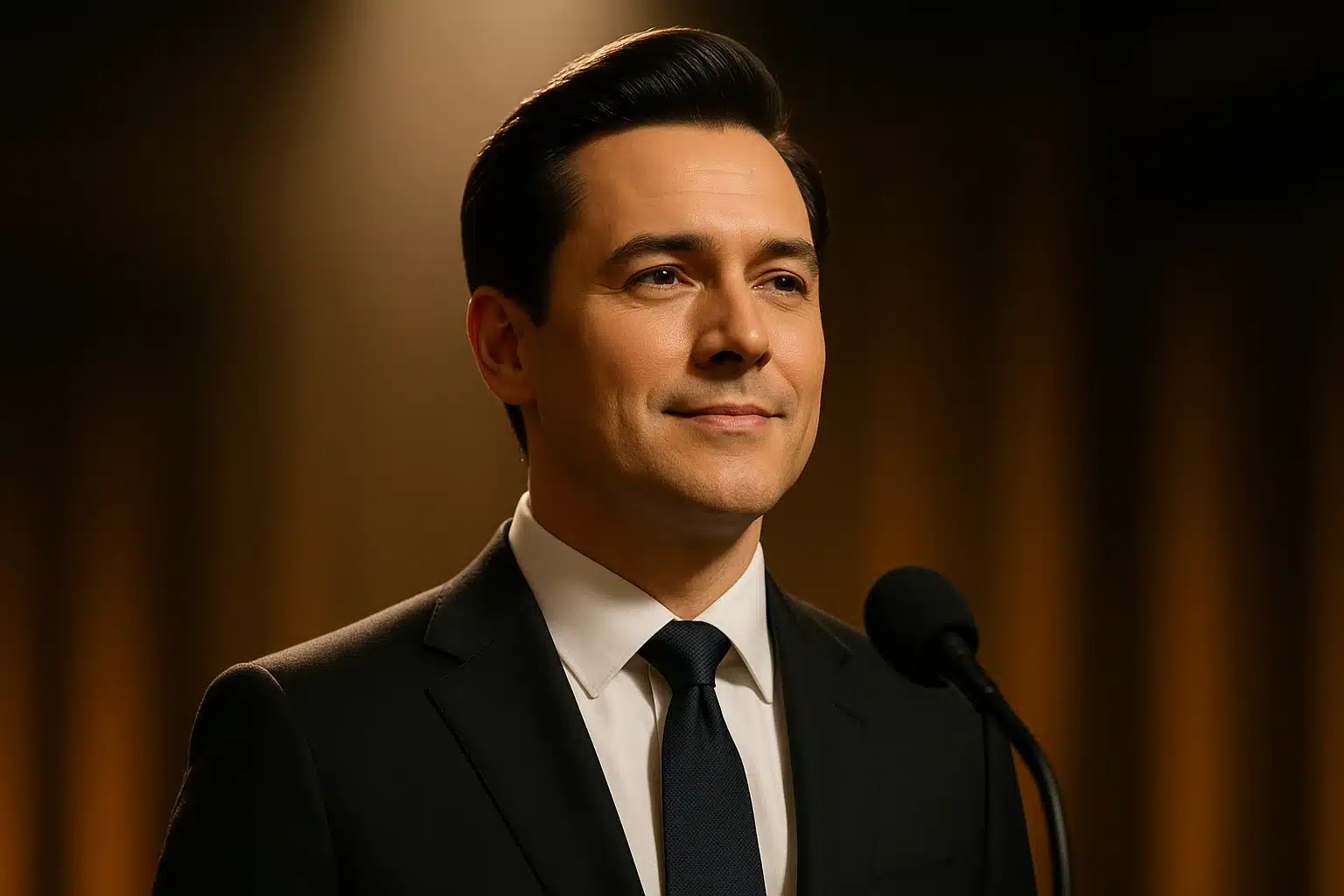
Picture this: You are center stage. The lights are blindingly bright, the room is silent, and you are delivering the most critical line of your monologue or the closing argument of your keynote speech. Suddenly, you feel a slight shift. A millimeter of movement at your hairline.
In an instant, your focus shatters. Instead of connecting with your audience, you are paralyzed by the fear of a wardrobe malfunction.
For public speakers, stage actors, and performers, a wig is not just an aesthetic choice—it is a piece of technical equipment. Just as a dancer relies on the grip of their shoes or a musician trusts the tuning of their instrument, you need to trust your hair implicitly.
Choosing the right hairpiece goes beyond style and color; it requires a deep dive into construction mechanics and security features. Whether you are navigating a windy outdoor venue or sweating under theatrical rigging, choosing a wig that fits your life and your specific performance needs is the first step toward total stage confidence.
The Anatomy of “Stage-Proof” Hair
To understand security, we have to look inside the cap. Many first-time wig wearers assume that securing a wig happens only with external tools like tape or glue. However, the stability of a wig is actually determined by its internal architecture.
1. Cap Construction and Movement
If your role involves physical expressiveness—large gestures, dancing, or rapid head turns—a Hand-Tied Cap is often the gold standard. In these wigs, every single strand of hair is knotted by hand into the mesh base. This allows the hair to move freely in any direction, mimicking the natural sway of biological hair. More importantly, hand-tied caps are incredibly lightweight and mold to the shape of your head like a second skin, reducing the “helmet” feeling that can occur with heavier, machine-wefted options.
2. The Invisible Edge (Lace Fronts)
For public speakers and actors performing in intimate venues, the audience is often close enough to see the details. HD Lace Fronts create a virtually undetectable hairline. This fine mesh material blends with your skin tone, allowing you to pull the hair back off your face or have it swept aside by a breeze without revealing a thick wig rim. In high-definition video or under unforgiving stage lights, this feature is non-negotiable for realism.
3. Sweat Resistance and Ventilation
Stage lights generate immense heat. When you combine that with adrenaline, perspiration is inevitable. A Monofilament Top or a fully open-wefted back allows for air circulation directly to the scalp. If heat escapes, moisture build-up is reduced. This is critical because sweat is the enemy of friction; a wet scalp can cause silicone grippers to slip and adhesives to weaken.
The Performer’s Decision Matrix: Matching Wig to Role
Not all performances require the same level of security. What works for a news anchor sitting still might be disastrous for a Broadway dancer. Here is a framework to help you identify what your specific role demands.
The Keynote Speaker / News Anchor
- The Environment: High-definition cameras, bright lighting, minimal physical movement.
- The Priority: Realism. You need a hairline that disappears on a 4K screen.
- Recommended Build: High-quality Synthetic or Human Hair with an Extended Lace Front.
- Security Protocol: A velvety wig grip or simple bobby pins are usually sufficient. The focus here is comfort for long wear times rather than anchoring for G-force.
The Theatrical Actor
- The Environment: Hot stage lights, long run times (2-3 hours), potential quick changes.
- The Priority: Consistency and Durability. The wig must look exactly the same for 8 shows a week.
- Recommended Build: Synthetic hair is often preferred here because it holds its style despite humidity and heat, unlike human hair which can frizz or go flat mid-scene.
- Security Protocol: Internal wig clips combined with a silicone grip band. If the role allows time, a “pin curl and anchor” method (pinning the wig into prepared bio hair) provides a lock-tight fit.
The High-Movement Performer (Dancer/Singer)
- The Environment: Intense cardio, sweat, sharp head movements, potential inversions.
- The Priority: Extreme Security. The wig cannot move, even a fraction of an inch.
- Recommended Build: Full Lace or Hand-Tied caps for maximum breathability.
- Security Protocol: This requires the “Broadway Standard.” This often involves a wig cap glued to the skin, followed by the wig glued or taped to the cap and skin.
Pro-Level Security Techniques
Once you have selected the right cap construction, you can layer security methods to suit your anxiety levels and activity requirements.
The Velvet Grip (The Foundation)
For 90% of public speakers, a velvet wig grip is a game-changer. These bands use the friction of the velvet pile to grab the wig material. They relieve pressure clips can cause and prevent the wig from sliding back, all without using sticky adhesives.
The “Belt and Suspenders” Method
When the stakes are high, pros don’t rely on just one method. They mix and match:
- Preparation: Bio hair is braided or pin-curled flat against the head to create a solid anchor point.
- Adhesion: Double-sided wig tape is applied to the polyurethane tabs at the ear and nape (areas that tend to lift first during movement).
- Physical Anchoring: Long bobby pins or U-pins are driven through the wig base and into the pin curls of the natural hair underneath.
Managing Sweat Mid-Performance
If you are prone to heavy sweating, look for “No-Sweat” liners or bamboo caps to wear under the wig. These wick moisture away from the skin. Additionally, using a scalp protector spray before applying any tape creates a barrier that prevents sweat from breaking down the glue immediately.
Real-World Lessons from the Pro Stage
It is comforting to know that even the biggest stars in the world rely on these same mechanics. When you see pop icons performing stadium tours with hair whipping around for two hours, they aren’t relying on magic—they are relying on engineering.
High-level concert wigs often utilize a “perimeter bond.” This means the entire circumference of the wig is adhered to the skin using medical-grade adhesive. Furthermore, inside the wig, there are often elasticized bands that hook at the nape of the neck, providing a tension-based security that acts as a backup system.
While you may not need a perimeter bond for a 20-minute presentation, understanding that these tools exist helps demystify the process. You aren’t “faking it”; you are utilizing professional cosmetic tools to present your best self.
Frequently Asked Questions
Can I wear a synthetic wig under hot stage lights?
Yes, but with a caveat. Traditional synthetic fibers can be damaged by extreme heat flashes (like opening an oven). However, stage lights are generally safe for modern high-quality synthetics. If you are very close to high-heat sources, consider Heat-Friendly Synthetic options, which are chemically designed to withstand higher temperatures.
Will a microphone headset interfere with my wig?
It can if you aren’t careful. Over-the-ear microphones can rub against the ear tabs of a wig, causing lifting or noise. Pro Tip: Put your wig on first, ensuring the ear tabs are flush against your temples. Place the headset over the wig hair, or weave the headset wire through the hair at the nape of the neck to hide it and keep the ear tabs secure.
How do I stop my wig from shining under the lights?
Synthetic wigs can sometimes reflect stage light, looking “plastic.” To combat this, professional stylists use dry shampoo or a specifically formulated wig matte spray. This dulls the sheen and gives the fiber a more natural, textured look that reads well on camera.
Is human hair always better for stage?
Not necessarily. While human hair moves the most naturally, it is high maintenance. If your play runs for three weeks, a human hair wig needs to be washed and restyled constantly. A high-quality synthetic wig has “style memory”—you can wash it, shake it out, and the curls return to their original shape, ensuring you look consistent for every single curtain call.
***
Confidence is the most attractive thing you can wear on stage. When you understand the mechanics of your wig—how it’s built, how it breathes, and how it anchors—you stop worrying about your hairline and start focusing on your performance. Whether you are stepping onto a podium or a proscenium, the right equipment ensures that the only thing bringing the house down is you.