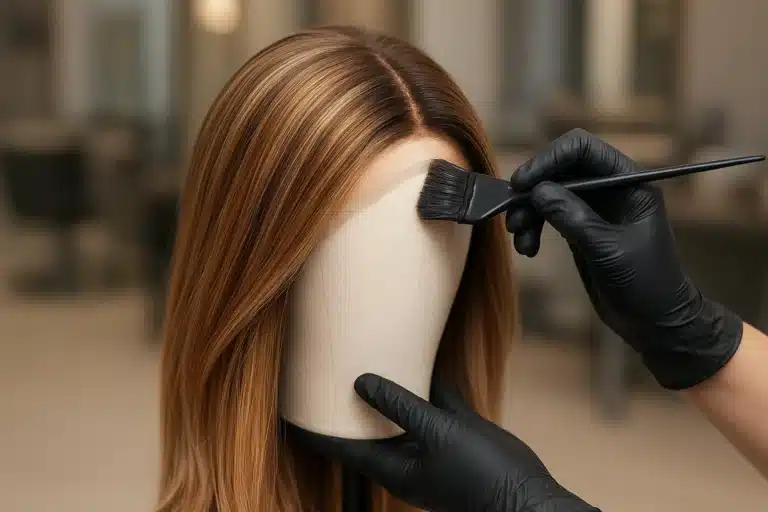
Have you ever looked at a wig and felt that something was just slightly “off,” even if the style was perfect? Often, the issue isn’t the cut or the fiber—it’s the color. Specifically, the uniformity of the color.
Natural hair is rarely a single, solid shade. Even if you dye your biological hair black, factors like sun exposure, heat styling, and natural regrowth create a spectrum of hues that dance when the light hits them. When a wig lacks this nuance, it can absorb light in a flat, heavy way, creating the “wiggy” appearance many first-time wearers fear.
The secret to true realism lies in dimension. By understanding the artistry behind multi-tonal coloring, you can choose a piece that mimics the vibrant, living look of biological hair. While Finding Your Perfect Wig Color begins with understanding which shades complement your complexion, the magic of realism comes from how those shades are mixed, layered, and placed to create depth and movement.
The Novice’s Dilemma: Why Single-Color Wigs Look “Flat”
To understand why multi-tonal wigs are superior for realism, we first have to look at how light interacts with objects.
Imagine a wall painted a solid, flat navy blue. It looks static. Now, imagine a navy blue velvet curtain. As the fabric folds, some areas catch the light (appearing lighter), while the folds create shadows (appearing darker). That contrast tells your brain the object has depth and texture.
A single-color (or “monotone”) wig operates like the painted wall. Without color variation, the eye perceives it as a solid block. This can make the hair appear denser and heavier than it actually is, often referred to as the “helmet effect.”
Multi-tonal wigs use a sophisticated blend of dyes and fibers to replicate the “velvet curtain” effect. They trick the eye into seeing individual strands rather than a solid mass, creating an illusion of lightness, movement, and authenticity.
The Foundation: Decoding the Language of Color Dimension
When browsing high-quality wigs, you will encounter terms like “blended,” “tipped,” or “rooted.” These aren’t just marketing buzzwords; they describe the specific architecture of the color.
Blends: The Base of Realism
A “blend” is the foundational technique of multi-tonal wigs. Instead of dyeing the entire wig one hex code of brown, manufacturers mix fibers of varying shades together.
- How it works: Imagine mixing salt and pepper. From a distance, it looks gray. Up close, you see individual black and white grains.
- The Effect: A blended color creates a soft, natural look that isn’t jarring. It ensures that even without distinct highlights, the hair has a natural vibration of color that prevents it from looking synthetic.
Highlights: The Illusion of Volume
Highlights are lighter strands woven into the base color, usually concentrated toward the top layers and the front of the wig.
- The “Aha” Moment: Highlights do more than just add brightness; they create the illusion of volume. Because lighter colors advance visually (meaning they look closer to the eye), highlights break up the silhouette of the wig, making the texture look airier and more separated.
- Placement Matters: “Face-framing” highlights illuminate the complexion, mimicking how the sun naturally lightens hair around the face.
Lowlights: The Unsung Hero of Depth
While everyone talks about highlights, lowlights are often the secret to the most realistic wigs. These are strands that are darker than the base color, typically placed in the lower layers or near the nape of the neck.
- Why You Need Them: Lowlights create shadow. Just as a painting needs shadows to look 3D, a wig needs darker undertones to provide contrast for the lighter strands. This depth makes the fiber look like it creates its own natural shadow, adding richness to the overall look.
The Artistry: How Color Techniques Create Realism by Family
Different hair colors require different multi-tonal strategies to look authentic. What works for a blonde might look stripey on a brunette.
Dynamic Blondes
Blonde is the most difficult color to replicate because it reflects the most light. A solid blonde wig is the easiest to spot as artificial.
- The Solution: Look for Rooted Colors. This technique features a darker root (usually a medium brown) that gradients into the blonde lengths. This mimics natural regrowth, creating an immediate sense of authenticity. It also eliminates the harsh line where the wig meets your forehead, as the darker root blends better with most skin tones than a stark blonde edge.
Dimensional Brunettes
Brunette wigs run the risk of looking like a “block of ink” if they are too uniform.
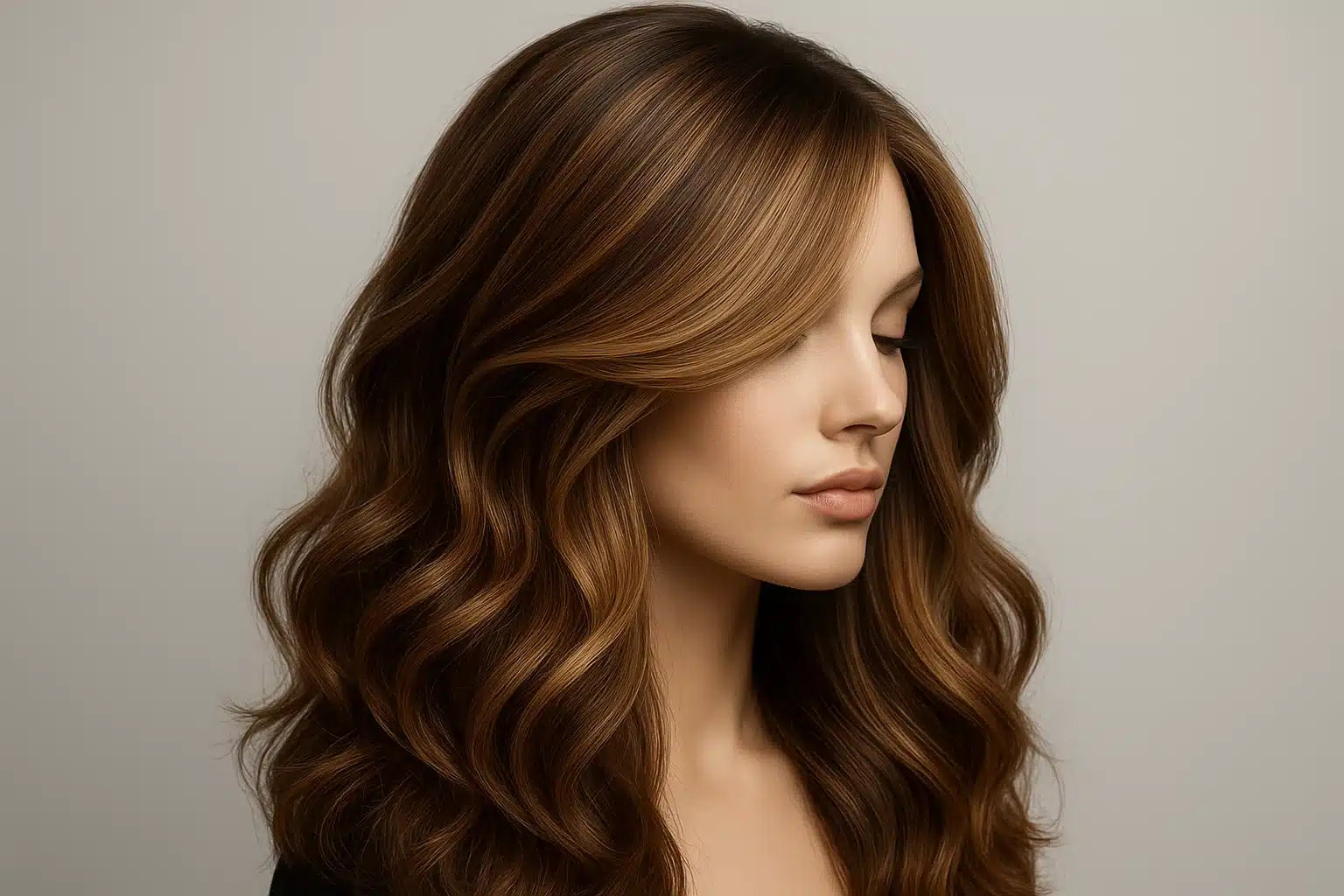
- The Solution: Look for “Tortoiseshell” Blends. This involves weaving threads of caramel, chestnut, or mahogany into a dark brown base. It warms up the face and creates movement. When the wig moves, the lighter brown strands catch the light, proving the hair has texture.
Radiant Reds
Red dye molecules fade the fastest in natural hair, meaning natural redheads rarely have one consistent shade from root to tip.
- The Solution: High-quality red wigs often use Color Melting. This is a subtle transition where the color might be a deep auburn at the nape (where the sun doesn’t hit) and a brighter copper at the crown and tips. This mimics the natural weathering of biological red hair.
The Expert’s Eye: How to Spot a High-Quality Multi-Tonal Wig
Not all multi-tonal wigs are created equal. As you navigate your options, use these criteria to distinguish between a masterpiece and a mistake.
1. The Stripe Test
- The Mistake: “Chunky” highlights that look like zebra stripes. This happens when the highlighted sections are too thick or not properly blended with the base.
- The Quality Standard: Highlights should look like “ribbons,” not stripes. They should be fine, woven strands that appear to melt into the base color. You should see the highlight, but you shouldn’t be able to easily count exactly how many strands are in it.
2. The Root Transition
- The Mistake: A harsh, straight line where the dark root stops and the light color begins.
- The Quality Standard: A “smudged” root. The dark color should extend unevenly into the length, just as natural growth does. Some hairs should be dark further down, while others transition sooner.
3. The Undertone Harmony
- The Mistake: Mixing cool highlights (ashy) with a warm base (reddish) in a way that clashes.
- The Quality Standard: Tonal harmony. Whether the wig is cool, warm, or neutral, the highlights and lowlights should belong to the same temperature family to look cohesive.
Your Action Plan: Choosing the Right Dimension for You
Entering the world of wigs is a journey of self-discovery. As you browse, ask yourself these three questions to land on the perfect level of dimension:
“Do I want a ‘fresh from the salon’ look?”
- Look for: High-contrast highlights and balayage effects. These styles mimic professional salon coloring and offer a trendy, vibrant appearance.
“Do I want to mimic natural, un-dyed hair?”
- Look for: Subtle blends and lowlights. Avoid heavy highlighting. You want a color code that mixes 2-3 closely related shades (e.g., medium brown and dark brown) for a soft, virgin-hair appearance.
“Am I worried about the wig looking too thick?”
- Look for: Rooted colors and face-framing highlights. The darker root reduces the visual bulk at the scalp, while the highlights around the face break up the density, making the wig appear lighter and more natural.
Frequently Asked Questions About Multi-Tonal Wigs
Can I add highlights to a solid-color wig myself?
If the wig is synthetic, the answer is generally no. Synthetic fibers do not absorb hair dye like human hair. While expert stylists can sometimes use specialized fabric markers or inks, it is risky and can ruin the fiber. It is always safer to purchase a wig that already possesses the dimension you desire. If it is a human hair wig, a professional stylist experienced with wigs can deposit color (lowlights), but lifting color (bleaching for highlights) is damaging and not recommended.
Do multi-tonal wigs cost more?
Creating a multi-tonal wig requires more labor and a more complex manufacturing process to blend the fibers or dye the human hair precisely. While they may carry a slightly higher price point than basic solid colors, the investment pays off significantly in the realism and confidence they provide.
Will the highlights fade over time?
Synthetic wigs have “baked-in” color, meaning the highlights and lowlights will not fade due to washing or sun exposure. They will maintain their dimension for the life of the wig. Human hair wigs, however, react just like biological hair; the color can oxidize (turn brassy) or fade in the sun over time and may require color refreshing by a professional.
Is a rooted color right for me if I have gray hair underneath?
Absolutely. Many wig wearers with biological gray hair fear that a dark root on a wig will look fake. However, a rooted wig often looks more natural because it hides the wig cap grid better than a light-colored root. If you have bio hair showing at the temples, you can use a root touch-up spray on your own hair to blend it seamlessly with the wig’s root color.
Conclusion
The journey to finding a wig that feels like “you” is about more than just covering hair loss—it’s about reclaiming your confidence. By choosing a multi-tonal wig, you are opting for a piece of art that mimics the beautiful imperfections and complexities of nature. Whether you choose a sun-kissed blonde or a rich, low-lighted brunette, remember that dimension is the key to movement, depth, and a look that is undeniably authentic.