There is nothing quite like the confidence boost of stepping out in a beautiful, high-quality wig. The style is perfect, the volume is ideal, and you look fantastic. But there’s a silent struggle that many wearers endure but rarely discuss: the itch. It starts as a mild tickle and can quickly escalate into a distraction that pulls your focus away from your day and onto your discomfort.
For many, this physical irritation feels like the “price to pay” for a great hair day, but we believe comfort shouldn’t be a luxury. While many factors contribute to general hair health, addressing specific issues like an irritated scalp is a common challenge that we cover in our guide to Troubleshooting Common Wig Wearer Discomforts & Irritations. Understanding that your scalp is a living environment that needs to breathe and function is the first step toward lasting relief.
The Itch is Real: Why Your Scalp Needs Special Care
It is easy to forget about the skin hidden beneath your wig cap, but your scalp is actually an extension of the delicate skin on your face. When you wear a wig, you are essentially creating a micro-climate against that skin.
In a natural state, your scalp regulates itself through sebum (natural oil) production and shedding skin cells. When covered by a wig cap—especially for extended periods—heat and moisture can become trapped. This creates a “greenhouse effect” where sweat, oils, and bacteria can accumulate. Without a proper care strategy, this environment can compromise your scalp’s protective barrier, leading to the dreaded “wig itch,” flaking, or tenderness.
Decoding the Discomfort: The 3 Main Causes
Before you can fix the problem, you have to identify the culprit. Most scalp issues stem from three primary sources:
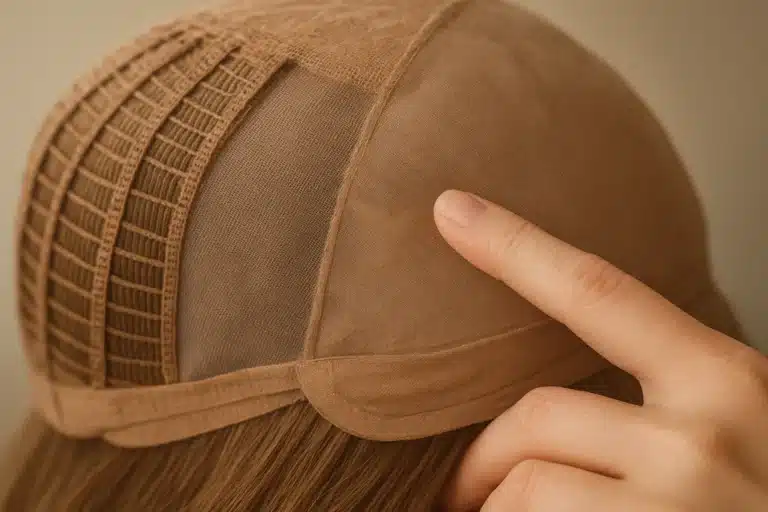
- The Trapped Environment: As mentioned, the lack of airflow is the biggest enemy. This is why the construction of your wig matters so much. For example, hand tied wigs are often celebrated not just for their natural movement, but for their lighter cap construction that allows for superior ventilation compared to standard wefted caps.
- Friction & Tension: If your wig is too tight, or if the material of the wig cap is rubbing against a sensitive area, it can cause physical inflammation (traction irritation). This is different from a chemical reaction; it is your skin saying, “I’m being squeezed too hard.”
- Product & Adhesive Buildup: Residue from glues, tapes, or even your own hair styling products can clog hair follicles. When follicles are blocked, they can become inflamed, leading to folliculitis (red, bumpy irritation).
Diagnose Your Scalp: Dryness, Dandruff, or Allergy?
This is the most common “aha moment” for our clients. Many people assume flakes equal dryness, so they apply heavy oils. But if you actually have dandruff, oil can make it worse. Here is a simple checklist to help you identify what your scalp is telling you:
Scenario A: The Dry Desert
- Symptoms: Your scalp feels tight, especially after washing. Flakes are small, white, and powdery (like snow).
- The Cause: Your scalp lacks moisture and oil.
- The Fix: Hydration (water-based) and light nourishment.
Scenario B: The Oily Itch (Dandruff/Seborrheic Dermatitis)
- Symptoms: Your scalp itches intensely. Flakes are larger, yellowish, and perhaps greasy.
- The Cause: An overgrowth of yeast (Malassezia) feeding on excess oil.
- The Fix: You need to reduce oil and use balancing, antifungal ingredients. Adding heavy oil here is like adding fuel to a fire.
Scenario C: The Reaction (Contact Dermatitis)
- Symptoms: Redness, burning, or blistering specifically where glue or tape touches the skin.
- The Cause: Allergic reaction to latex or adhesives.
- The Fix: Switch to hypoallergenic products or glueless wig options.
The Ultimate Scalp Care Routine for Wig Wearers
You have a skincare routine for your face; you need one for your scalp. This simple framework shifts you from reacting to problems to preventing them.
Daily Care (The 5-Minute Refresh)
When you take your wig off at night (which we highly recommend), don’t just go straight to bed.
- Wipe Down: Use a witch hazel pad or a damp cloth to gently wipe away the day’s sweat and adhesive residue along the hairline.
- Hydrate: Spritz a lightweight, water-based leave-in conditioner or soothing scalp spray.
- Breathe: Let your scalp air out for at least 6-8 hours while you sleep.
Weekly Care (The Deep Cleanse)
Wash day is non-negotiable, even if you wear cornrows or braids under your wig.
- Target the Scalp: Focus your shampoo application on the skin, not just the hair. If you have extensions or bio hair braided down, using the best shampoo for hair extensions or gentle formulas designed for hair additions is crucial. These products are formulated to cleanse thoroughly without stripping the bonds or drying out the hair fiber.
- Dry Completely: Never put a wig on a damp head. Fungi thrive in dark, damp places. Ensure your bio hair is 100% dry before capping it.
Monthly Care (The Full Reset)
Once a month, treat your scalp to a “facial.”
- Exfoliate: Use a gentle scalp scrub to lift dead skin cells that shampoo might miss.
- Detox: If you use heavy adhesives, use a clarifying treatment to ensure every trace of glue is gone.
Your Scalp Care Toolkit: Ingredients to Look For
Not all products are created equal. When building a kit of the best wig care products, turn the bottle around and look at the label.
Hero Ingredients:
- Aloe Vera: The ultimate soother for redness and tightness.
- Tea Tree Oil: Antibacterial and antifungal (great for the “Oily Itch”).
- Salicylic Acid: Gently exfoliates flakes without scrubbing.
- Peppermint Oil: Stimulates blood flow and provides a cooling sensation.
Ingredients to Approach with Caution:
- Heavy Mineral Oils: Can clog pores if not washed out properly.
- High Alcohol Content: Can be incredibly drying for the “Dry Desert” scalp type.
Frequently Asked Questions
Q: Can I put oil on my scalp if it itches?
A: Only if your scalp is dry (Scenario A). If you have dandruff (Scenario B), oil can feed the fungus causing the itch. Try a soothing serum with aloe or tea tree instead.
Q: How often should I wash my hair under my wig?
A: Generally, once a week is ideal to prevent bacterial buildup. If you sweat heavily, you may need to rinse more frequently with water and a light conditioner.
Q: Is it better to switch between wigs and extensions?
A: Giving your scalp a break is always beneficial. If you do alternate, ensure you are choosing the least damaging hair extensions (like clip-ins or halos) that don’t add extra tension or glue to an already sensitive scalp.
Q: Can the wig cap material itself cause irritation?
A: Yes. Some people are sensitive to the nylon or lace used in caps. Wearing a 100% cotton or bamboo liner underneath your wig can act as a protective barrier and wick away sweat.
The Path to Comfort
Experiencing scalp irritation doesn’t mean you have to stop wearing the wigs you love. It simply means your scalp is asking for a little more attention. By identifying the root cause of your discomfort and adopting a proactive care routine, you can ensure that your foundation is just as healthy and beautiful as the style you wear on top.
Take a moment tonight to assess your scalp health—your comfort is worth it.