
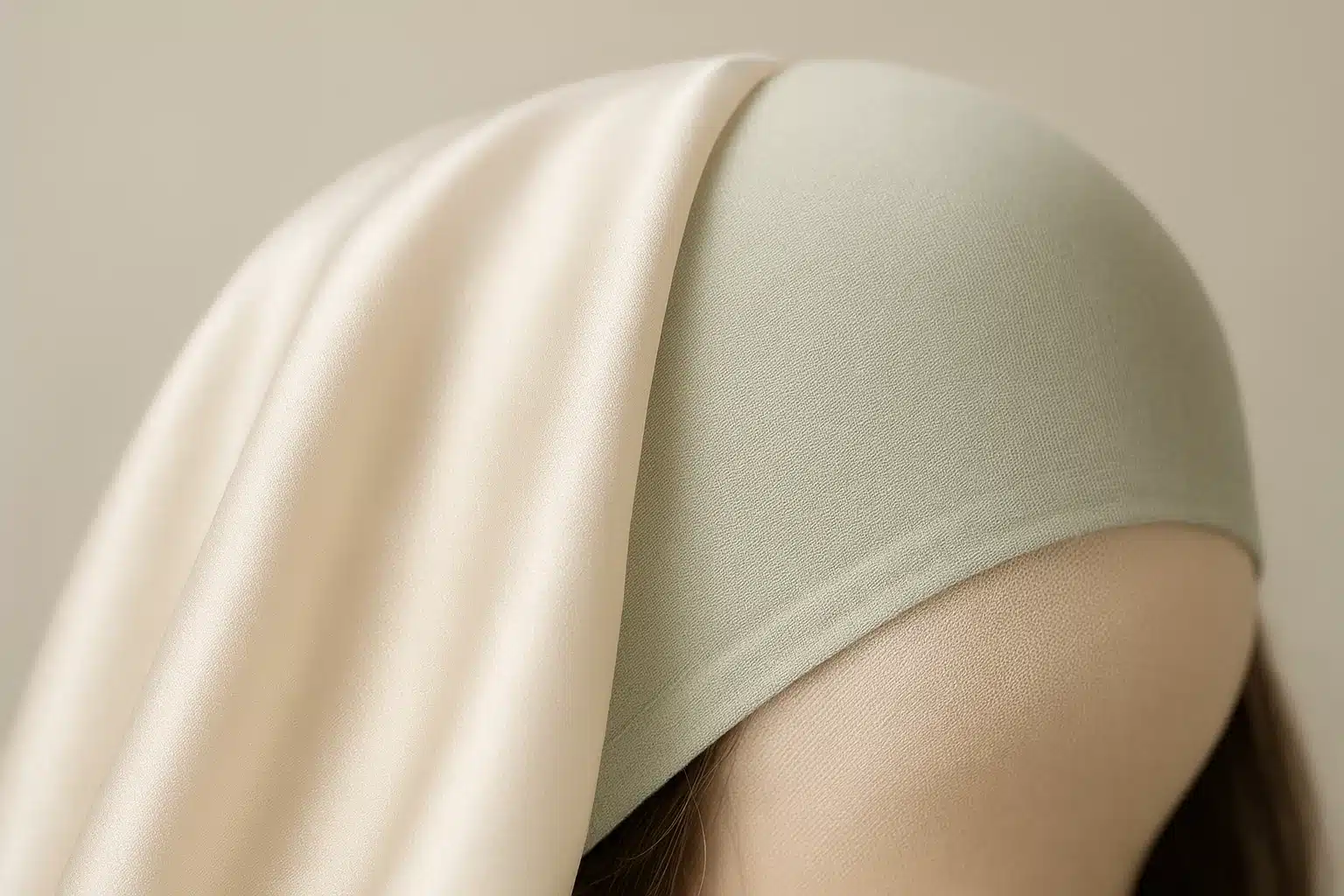
Imagine buying a beautiful, high-end cashmere sweater. It looks stunning on the hanger, but the moment you put it on against your bare skin, you feel a slight itch or irritation. Over time, your body oils might stain the fabric, requiring frequent, delicate washing that slowly wears down the fibers. You wouldn’t wear that sweater without a protective layer underneath, and the same logic applies to wearing a wig.
For many new wig wearers, the focus is entirely on the style, color, and cut. However, the secret to long-term satisfaction lies in what happens underneath. Establishing a routine focused on wig caps, liners, and scalp preparation is the bridge between simply wearing a wig and truly feeling comfortable in one. While basic nylon caps have been the standard for years, modern material science has introduced silk and bamboo liners as game-changers for scalp health. These aren’t just accessories; they are essential tools that serve as a “second skin,” protecting both you and your investment.
The Invisible Shield: How Liners Transform the Experience
When we talk about wig discomfort, we often blame the wig construction. We assume the lace is too scratchy or the wefts are too heavy. While construction matters, the interface between the wig and your scalp is usually the culprit.
A high-quality liner acts as a biological buffer. For those navigating hair loss due to chemotherapy or alopecia, the scalp is often hyper-sensitive. It lacks the natural cushioning and friction protection that biological hair usually provides. A liner fills this void, preventing the “mechanical stress” caused by the wig shifting against delicate skin throughout the day. But not all liners are created equal. The specific properties of the fibers you choose—specifically silk and bamboo—can dramatically alter your daily comfort.
Material Science 101: Silk vs. Bamboo
To understand why these materials are superior to standard nylon or cotton, we have to look at them under a microscope. The difference isn’t just in how they feel; it’s in how they interact with your skin’s biology.
The Protein Connection: Why Silk Feels Like Skin
Silk is often associated with luxury, but in the medical and dermatological world, it is valued for its bio-compatibility. Silk fibers are composed of fibroin, a protein that is chemically very similar to human skin and hair.
Because of this protein structure, silk is naturally hypoallergenic. It doesn’t just sit on top of the skin; it works with it.
- Friction Reduction: Standard cotton or synthetic fibers have microscopic rough edges that can snag and irritate a sensitive scalp. Silk is a continuous filament with an incredibly smooth surface, which creates a near-zero friction environment. This is vital for preventing traction alopecia (hair loss caused by pulling) on any remaining biological hair.
- Moisture Retention: Unlike cotton, which absorbs moisture from your skin (leaving it dry), silk is less absorbent regarding natural oils. It allows your scalp to maintain its natural hydration barrier, which is crucial for preventing the dry, itchy scalp often associated with wig wear.
The Capillary Action: Bamboo’s Secret Weapon
If silk is the master of gentle protection, bamboo is the champion of moisture management. Bamboo viscose fibers have a unique cross-section filled with microscopic gaps and holes.
- Superior Wicking: These micro-gaps create a capillary effect, pulling sweat and moisture away from the scalp and moving it to the outer surface of the fabric where it can evaporate. This keeps the scalp cool and dry, significantly reducing the risk of folliculitis (inflammation of hair follicles) caused by trapped sweat.
- Thermal Regulation: Bamboo is naturally breathable. For wearers who experience “hot flashes” or live in humid climates, bamboo acts as a thermostat, venting heat much more efficiently than synthetic alternatives.
- The “Scent Test”: Perhaps most impressively, bamboo possesses natural antimicrobial properties. By reducing the bacteria that thrive in warm, damp environments, bamboo liners help keep your wig smelling fresher for longer.
Preserving Your Investment: The “Triple Threat” Defense
Here is the “aha moment” that shifts the perspective of many wig wearers: A liner doesn’t just protect your head; it protects your wig. High-quality human hair and premium synthetic wigs are significant financial investments. Their greatest enemies are what we call the Triple Threat: Acid, Oil, and Friction.
1. Acid and Oil (The Chemical Threat)
Our sweat is naturally acidic and contains salts. Our scalp produces sebum (oil). When these substances come into direct contact with the interior of a wig cap, they begin to break down the materials.
- Hand-Tied Knots: In premium wigs, hair is individually knotted into the base. Over time, salts from sweat can crystallize inside these delicate knots, acting like microscopic shards of glass that cut the hair at the root, leading to shedding.
- Stretch and Degradation: Oils can degrade the elasticity of polyurethane strips and delicate lace, causing the wig to stretch out and lose its secure fit.
A bamboo or silk liner acts as a filter, catching these fluids before they reach the wig’s internal architecture.
2. Friction (The Physical Threat)
Every time you move your head, the inside of the wig rubs against your scalp. Without a liner, this friction happens directly on the delicate monofilament or lace sections of the wig. Over months of wear, this abrasion can fray the knots and weaken the base material. A smooth liner absorbs this friction, ensuring the interior of your wig looks brand new even after a year of wear.
The Longevity Equation
There is a direct correlation between the use of liners and the lifespan of a wig. This comes down to the frequency of washing.
Washing a wig is a necessary part of maintenance, but every wash puts stress on the hair fibers and the cap structure. By wearing a liner, you are keeping the interior of the wig clean. You simply wash the liner (which is durable and easy to clean) after every wear, rather than the wig itself. This allows you to extend the time between deep wig washes, effectively doubling the lifespan of your hairpiece by reducing the wear and tear associated with cleansing and styling.
Choosing Your Fighter: Which Material is Right for You?
Understanding your specific needs will help you decide between silk and bamboo.
Choose Silk If:
- You have a very dry or extremely sensitive scalp.
- You have patches of biological hair you want to protect from friction.
- You are experiencing sensitivity due to chemotherapy treatments.
- You prioritize a sensation of luxury and smoothness against the skin.
Choose Bamboo If:
- You have an active lifestyle or perspire heavily.
- You live in a hot or humid climate.
- You have an oily scalp or are prone to breakouts.
- You are looking for an eco-friendly, sustainable option that keeps you cool.
Frequently Asked Questions
Can a liner really stop my wig from slipping?
While the primary purpose of silk and bamboo liners is comfort and health, many modern designs include a velvet grip band or silicone patches. Even without these, a liner provides a consistent surface for the wig to sit on, often improving stability compared to slippery biological hair or a sweaty scalp.
Will wearing a liner make me hotter?
This is a common myth. While it adds a layer, the right material (like bamboo) actually cools you down by wicking sweat away from the skin so it can evaporate. A bare scalp trapped under a non-breathable wig cap will feel hotter than a scalp protected by a moisture-wicking bamboo liner.
How do I wash these liners?
To maintain their medical-grade benefits, wash your liners after every use. Bamboo and silk are durable but deserve gentle care. Hand wash or use a delicate cycle with mild detergent, and let them air dry. Avoid fabric softeners, as they can coat the fibers and reduce their moisture-wicking capabilities.
Do I need a liner if my wig has a “comfort cap”?
Even “comfort caps” or “medical caps” benefit from a liner. While the wig cap itself may be soft, it cannot be washed daily. A liner ensures that you are always putting a fresh, clean surface against your skin, which is the golden rule of scalp hygiene.
The Next Step in Your Journey
Moving from a casual wig wearer to an educated expert means understanding the materials that touch your skin. By incorporating silk or bamboo liners into your routine, you aren’t just buying an accessory—you are investing in the health of your scalp and the longevity of your beautiful hair.
Prioritize your comfort. When your scalp feels good, you feel confident, and that is the most beautiful thing you can wear.






