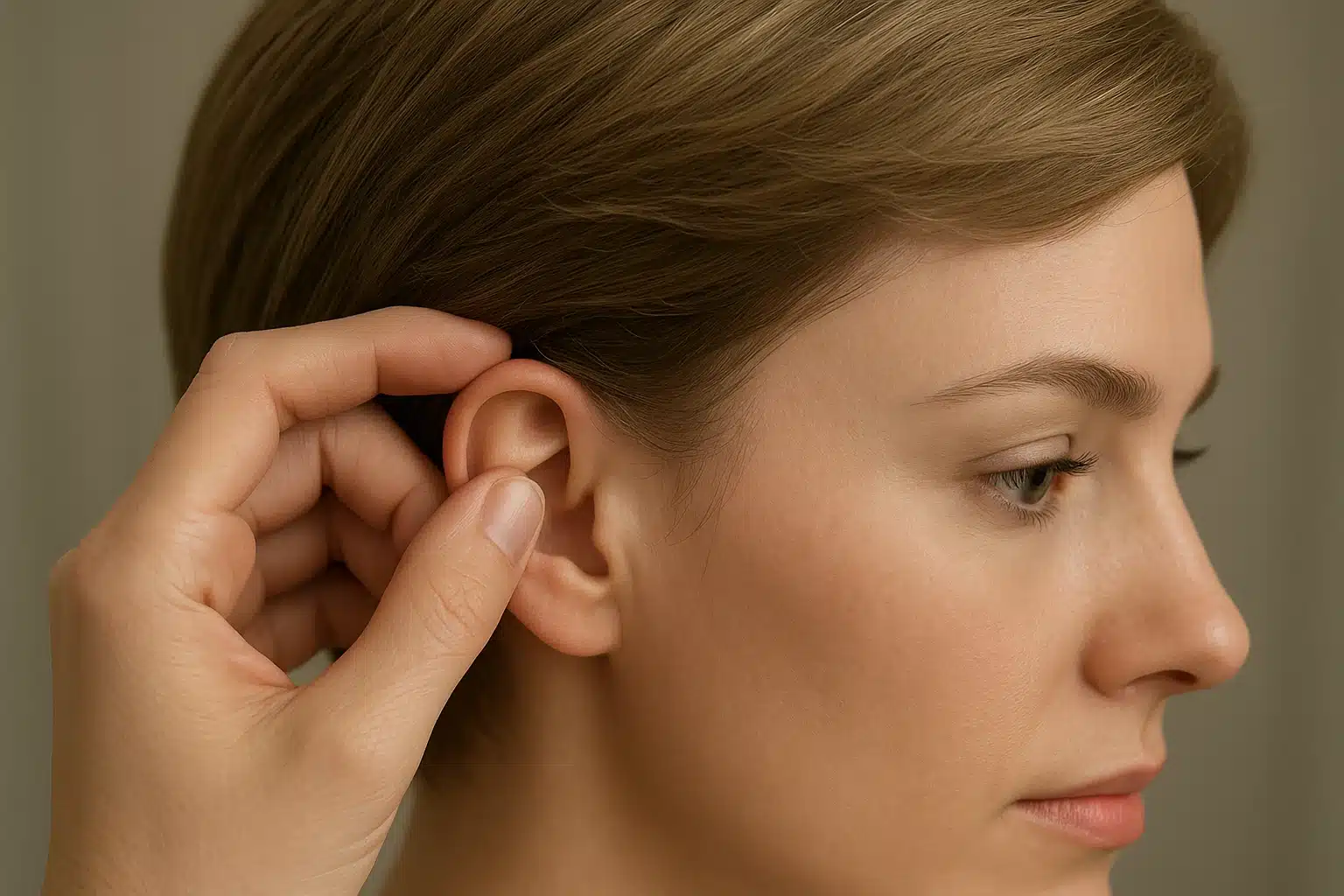
There is a specific moment every wig wearer knows well. You’ve found a style you love, the color is perfect, and you’re ready to face the day. But then, you feel it—a slight shift when you turn your head, a persistent bunching at the nape of your neck, or a gap at the temples that makes you feel exposed. It’s frustrating because it transforms a moment of confidence into one of self-consciousness.
The truth is, a wig shouldn’t just sit on your head; it should move with you, functioning as an extension of yourself. Mastering the art of Troubleshooting Common Wig Wearer Discomforts & Irritations is about more than just comfort; it’s about reclaiming the security to forget you’re wearing hair at all. Often, these fit issues aren’t a sign that you bought the wrong product, but rather a signal that your “fit diagnostics” need a little fine-tuning. By understanding the why behind the wobble, you can make the small adjustments that lead to a flawless fit.
The Foundation: The 3 Pillars of a Perfect Fit
Before we dive into specific symptoms like gaps or bunching, we need to establish a baseline. Most fit issues stem from a misalignment in one of three areas: Measurement, Preparation, or Placement. Think of this as the tripod that supports your comfort. If one leg is off, the whole experience feels unstable.
1. Accurate Measurement
Many people assume they are an “Average” size simply because that is the most common availability. However, head circumference is only one part of the equation. The distance from ear-to-ear (over the top of the head) and front-to-back also plays a massive role. If a wig is too deep for your head shape, no amount of tightening will fix the bunching at the back.
2. The Flat Foundation
The landscape underneath your wig is just as important as the wig itself. If your biological hair is bunched unevenly, the wig will rock and slide. Whether you wrap, braid, or use a wig cap, the goal is to create a surface as flat and uniform as possible.
3. The Perfect Placement
A common mistake is wearing the wig too far forward, which forces the ear tabs down onto the ears and causes the nape to lift. A helpful heuristic is the “Four Finger Rule”: Place four fingers flat on your forehead resting on your eyebrows. Your wig’s hairline should generally start where your top finger ends.
The Wig Fit Symptom Checker
If you have the basics down but are still experiencing issues, it’s time to play detective. Instead of guessing, look at the specific symptoms your wig is presenting.
Symptom: Gaps at the Temples or Sides
You look in the mirror and notice the wig stands away from your head near the temples, creating a visible gap.
The Likely Cause:This is frequently a placement issue rather than a size issue. If the wig is pulled down too low in the back, it leverages the front of the wig upwards. Alternatively, the metal stays (small flexible pieces of metal inside the ear tabs) may not be contoured to your head.
The Solution:First, check your ear tabs. They should be level with each other and sitting flush against your temples, not over your ears. Once aligned, apply gentle pressure to the metal stays, bending them inward so they curve toward your face. This creates a custom “hug” against your temples, closing the gap instantly. If the gap persists, check if the wig is too tight; sometimes over-tightening the back adjusters causes the sides to flare out.
Symptom: Bunching or Lifting at the Nape
You feel a bulge of fabric at the back of your neck, or the wig feels like it wants to ride up your head throughout the day.
The Likely Cause:This is often related to the occipital bone—the small bump on the back of your skull. A wig cap is designed to cup under this bone to anchor itself. If you have a “flat” occipital bone (a flatter back of the head), the wig has nothing to hang onto, causing it to slide up and bunch. It can also indicate the cap is too large for your front-to-back measurement.
The Solution:If the cap feels loose, adjust the straps at the nape. However, if you have a flat head shape, tightening might not be enough. The game-changer here is usually a wig grip—a velvet headband worn under the wig. The friction of the velvet acts as the anchor your anatomy might be missing, keeping the wig low and flat against the nape.
Symptom: An Uneven or Crooked Hairline
You constantly feel like you are tugging one side of the wig down to match the other.
The Likely Cause:While this can be a manufacturing error, it is almost always caused by uneven preparation of the biological hair underneath. If a bun or braid is slightly larger on the left side, the wig will tilt to the right.
The Solution:Reset your foundation. When prepping your hair, ensure the distribution of bulk is perfectly even. Once the wig is on, use the ear tabs as your level. Place your index fingers on both ear tabs simultaneously; they should be at the exact same height relative to your eyes and ears.
Mastery: Advanced Fit Adjustments
Sometimes, off-the-rack wigs need a “couture” touch. If you are investing in high-quality pieces, such as the best human hair wigs, getting the fit precise is vital for the longevity of the hair.
The Elastic Band Method
If you fall between sizes or have a petite head but love a specific average-sized wig, sewing an elastic band into the back of the cap can transform the fit. This band sits flat against the nape, essentially pulling the cap flush against the head from the inside, eliminating both gaps and the need for messy adhesives.
Managing Bulk
Sometimes a wig looks “bumpy” not because of the fit, but because of the density of the hair fibers. If a wig feels too heavy or wide, it may need professional thinning. Just as you might explore advanced wig cutting and layering techniques to style a wig, you can have a stylist thin the bulk near the wefts to help the hair lie flatter against the head.
Frequently Asked Questions
Can I shrink a wig that is too big?
While you cannot shrink the actual cap materials significantly, you can alter the fit. Using the internal adjustment straps is the first step. For a more permanent solution, a professional can take in the cap by sewing small tucks into the wefting, though this requires expertise to avoid altering the style.
Why does my wig headache after a few hours?
This is the classic sign of a wig that is too tight. Many wearers overtighten their straps out of a fear of the wig slipping. Loosen the straps and rely on a wig grip for security instead of tension. It should feel like a comfortable beanie, not a tight helmet.
Do expensive wigs fit better?
Higher-quality wigs often feature hand-tied caps or monofilament tops which mold better to the shape of the head than standard wefted caps. However, fit is ultimately about measurements. A properly measured budget-friendly wig will always look more natural than an ill-fitting luxury wig. If you are unsure about where to start with fittings, looking for essential services at wig shops can provide professional guidance.
Next Steps in Your Journey
Diagnosing your own fit issues is a major milestone in your wig journey. It shifts you from a passive wearer to an empowered expert of your own style. Remember, comfortable hair is confident hair. If you find yourself constantly adjusting, take a moment to stop, assess the symptoms, and apply these diagnostic fixes. You might find that the perfect fit was just a small adjustment away.