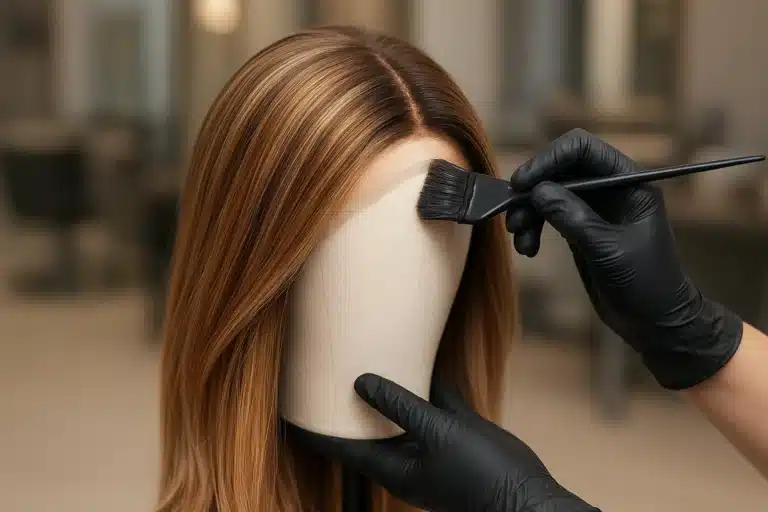
When you first begin exploring the world of wigs, it is easy to get swept away by the visible elements—the cascade of glossy curls, the dimensional color blends, or the perfect silhouette. However, as any seasoned expert will tell you, the secret to a wig you actually love wearing is not just about the hair strands; it is about the architecture underneath. For many, the interior of the wig cap is an afterthought, yet it is the single most important factor determining your daily comfort and confidence.
Navigating the technical terminology of wig construction can feel overwhelming, like learning a new language. This is where expert guidance becomes invaluable. Understanding the role of professional consultation in wig selection is often the turning point for beginners, shifting the experience from confusing to empowering. A knowledgeable guide helps you look past the style to find the “engine” that powers your look, ensuring that your choice aligns with your lifestyle, scalp sensitivity, and desire for realism.
The Foundation: Why Cap Construction Matters
Think of a wig cap like the foundation of a house or the lining of a bespoke suit. It dictates how the hair moves, how the scalp breathes, and how natural the hairline appears. If you choose a cap that doesn’t match your needs—no matter how beautiful the hair fiber is—you may find yourself adjusting it constantly or feeling overheated by midday.
In the world of alternative hair, there is no single “best” cap; there is only the best cap for you. A professional stylist approaches this by asking about your priorities. Do you need to pull your hair back off your face? Do you have a highly sensitive scalp due to medical treatments? Are you looking for a budget-friendly option for occasional wear, or an investment piece for daily use?
The 4 Core Wig Architectures
While there are many hybrids, most high-quality wigs fall into four primary architectural categories. Understanding these allows you to decode product descriptions and predict how a wig will feel before you ever put it on.
- Basic (Open Weft): The most durable and breathable option, featuring open spaces between wefts of hair to allow air circulation.
- Lace Front: Designed specifically for a natural hairline, featuring a sheer mesh at the front that mimics hair growing right from your forehead.
- Monofilament: A construction where hairs are individually tied to a sheer material at the crown or part, creating the illusion of scalp skin.
- 100% Hand-Tied: The pinnacle of luxury and comfort, where every single hair is knotted by hand into a soft, stretchable mesh cap.
The Consultant’s Corner: Matching Caps to Your Priorities
Rather than memorizing definitions, it is more practical to approach wig caps based on the problems they solve. Here is how an expert consultant would map your specific needs to the ideal construction.
If You Prioritize: A Natural Hairline
If you enjoy wearing your hair swept back, off the face, or behind your ears, the hairline is the most critical area of scrutiny. For this look, lace front wigs are the industry standard.
The “lace” is a fine, nearly invisible mesh located at the front of the cap. Hairs are hand-tied into this mesh, creating a seamless transition from your skin to the wig. High-quality ready-to-wear lace fronts are precut and require no adhesive, making them incredibly beginner-friendly.
- Consultant’s Note: Not all lace is created equal. Look for “welded” or “Swiss” lace for a softer feel against the forehead.
If You Prioritize: Maximum Comfort & Scalp Health
For individuals experiencing total hair loss, alopecia, or sensitivity due to chemotherapy, comfort is not a luxury—it is a necessity. In these cases, standard wefted wigs can sometimes feel scratchy or heavy. The solution is often found in hand tied wigs.
In a 100% hand-tied cap, there are no machine wefts. The entire cap is made of soft, stretchable mesh that mimics the movement of biological hair. Because there is no mechanical structure, the cap molds to the shape of your head like a second skin. This is widely considered the “gold standard” for sensitive scalps because it eliminates friction points.
If You Prioritize: Versatility in Parting
Do you like to change your part from the center to the side? If so, you need a cap that offers “monofilament” features.
In a monofilament cap, individual hairs are tied to a sheer, breathable fabric usually found at the crown (mono top) or along the part (mono part). This allows the natural color of your scalp to show through the hair, creating a hyper-realistic appearance.
- Pro Tip: If you have a very sensitive scalp, look for a double monofilament top. This construction adds a second layer of silk-like material between the knots and your skin, providing a barrier that prevents itching while maintaining that realistic scalp look.
If You Prioritize: Breathability & Volume
If you tend to run hot or live in a warm climate, airflow is essential. The “Basic” or “Capless” construction is built with open wefting in the back and sides. These open spaces allow air to circulate directly to your scalp, keeping you cooler than solid cap designs.
Additionally, these caps often have “permatease” (a slight crimping at the root) which provides instant, lift-and-go volume that holds its shape all day. They are generally the most affordable option, making them excellent for those building a wig wardrobe on a budget.
Pro Tips & Myth Busting
Even with a good understanding of cap types, myths persist. Here is how to avoid common pitfalls.
Myth: Higher Density Equals Better Quality
Many beginners believe that more hair means a better wig. In reality, too much density can look unnatural and feel heavy. The best human hair wigs are often designed with a natural density that moves like bio-hair, rather than a thick “helmet” of hair. Cap construction plays a huge role here; hand-tied caps naturally have a lower, more realistic density than machine-made ones.
Myth: One Size Fits All
While “Average” fits about 95% of people, ignoring sizing is a recipe for discomfort. A cap that is too small will slide up the back of your head (the “pop-off” effect), while one that is too large will gap over the ears. Always measure your circumference before investing in a high-end cap.
Myth: You Need Glue for Security
Modern wig architecture—specifically the velvet-lined ear tabs and adjustable nape straps found in premium brands—is designed to use tension and friction to stay secure. Unless you are performing high-impact sports, a well-fitting cap rarely requires adhesive.
Frequently Asked Questions
What is the best wig cap for beginners?
For a balance of realism and cost, a Lace Front with a Monofilament Part is often the ideal entry point. It provides a natural look at the two most visible areas (the hairline and the part) without the higher price tag of a 100% hand-tied full human hair wig.
How do I care for delicate cap constructions?
Hand-tied and monofilament caps require a gentle touch. When washing, never wring or twist the cap, as this can stretch the hand-knotting. Following brand-specific advice, such as the maintenance tips found in a definitive Estetica wigs guide, can help you understand how different manufacturers recommend caring for their specific cap designs.
Will a wig cap make me sweat?
All wigs add a layer of warmth, but the construction changes the degree significantly. If overheating is your main concern, avoid heavy silk tops and opt for open-wefted backs or hand-tied caps, which allow for better ventilation.
Taking the Next Step
Choosing a wig cap is a personal journey that balances your lifestyle, budget, and aesthetic desires. By understanding the “architecture” behind the hair, you move from being a passive shopper to an informed decision-maker. Whether you need the featherlight touch of a hand-tied cap or the durability of an open weft, the perfect fit is out there.
Remember, the goal is not just to cover hair loss or change your style—it is to find a solution that helps you forget you are wearing a wig at all. Take your time, assess your needs, and prioritize the health and comfort of your scalp.