For many wig wearers, the journey to feeling truly confident begins not with the style of the hair, but with what lies underneath it. There is a specific kind of anxiety that comes with wearing a wig for the first time—the fear of a sudden gust of wind, an accidental tug, or just the nagging sensation that your hairpiece is slowly shifting out of place. This “security anxiety” is completely normal, but it’s also entirely solvable.
The secret to all-day confidence lies in your foundation. Choosing the right method to secure your wig changes the experience from one of constant checking to one of total freedom. For many, achieving true wig security is the first step in optimizing wig comfort: liners, caps & scalp health, ensuring a positive daily experience. Whether you are navigating total hair loss or simply looking to change up your style, understanding the mechanics of what goes under your wig is the key to forgetting you’re even wearing one.
Meet the Contenders: Understanding Your Options
Before we dive into which option is best for your specific situation, let’s demystify what these tools actually do. Many beginners assume these accessories are interchangeable, but they serve distinct primary functions.
The Traditional Wig Cap
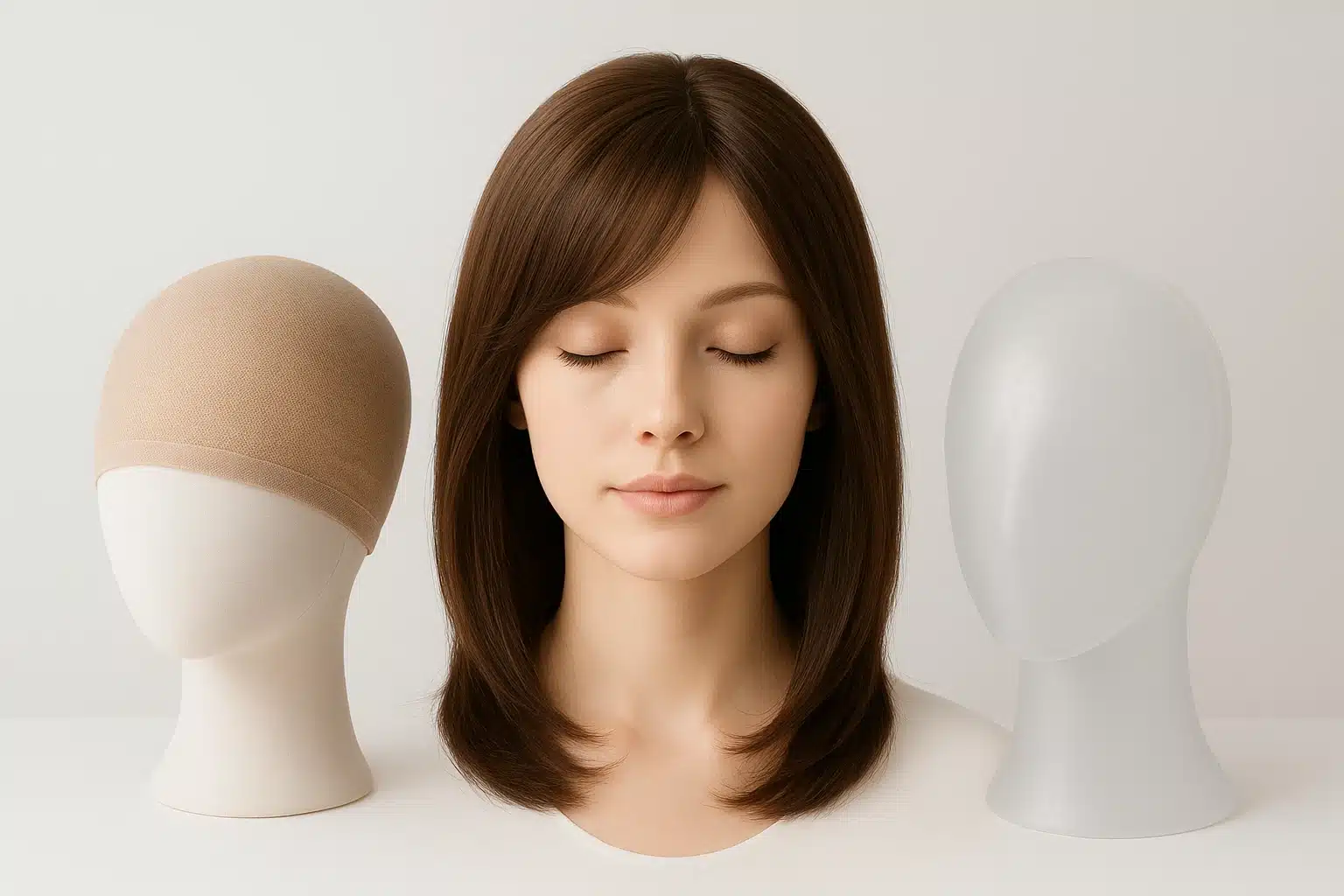
Think of the wig cap as a protective barrier. Usually made of nylon, mesh, or bamboo, a wig cap is designed to separate your scalp (and biological hair, if you have it) from the wig itself.
- Primary Job: Hygiene and containment. It keeps body oils off the wig and prevents the wig’s interior materials from scratching the scalp.
- Best For: Flattening biological hair and keeping the wig interior clean.
The Silicone Wig Grip
The wig grip is a headband-like accessory designed for friction. Modern versions often utilize silicone or a combination of velvet and silicone.
- Primary Job: Security. It creates a “non-slip” zone that grips the skin and the wig simultaneously.
- Best For: Preventing slipping, sliding, and shifting without the need for adhesives or glues.
The Ultimate Comparison: Comfort vs. Security
When choosing between a cap and a grip, you aren’t just choosing a fabric; you are prioritizing different aspects of the wearing experience. Here is how they stack up against each other.
1. Security Level
Winner: Silicone Wig GripIf your main concern is the wig moving, the wig grip is the clear winner. Silicone grips use the natural friction of the material against your skin to create a suction-like hold. Traditional nylon caps offer some friction, but they can slide against the skin, especially if you are sweating.
2. Scalp Breathability
Winner: Traditional Mesh CapSilicone is a non-porous material. While it is excellent for grip, it can trap heat. If you live in a humid climate or are prone to overheating, a lightweight mesh or fishnet wig cap allows for maximum airflow to the scalp. However, newer velvet grips often bridge this gap by offering security with breathable fabric.
3. Hair Containment
Winner: Traditional Wig CapFor wearers with biological hair, a wig grip alone won’t suffice. You need a cap to flatten your natural hair against the head to prevent bumps and lumps under the wig. A wig grip is a headband, meaning the top of your head remains exposed if you don’t pair it with a cap.
4. Scalp Protection
Winner: Tie (Depends on Sensitivity)A full cap protects the entire scalp from the potentially scratchy wefts of a wig. However, for those with extreme sensitivity or alopecia, the pressure of a full cap can sometimes feel restrictive. A velvet-lined grip offers a soft, cushioned barrier specifically around the hairline, which is often the most sensitive area.
Scenario-Based Guide: Which Setup is Right for You?
The “best” choice is subjective and relies heavily on your biological hair status and your lifestyle. Find your profile below to see the recommended approach.
The “Total Hair Loss” Profile (Alopecia)
Recommendation: Silicone Grip or Bamboo CapWithout biological hair to create friction, wigs can slide easily on the scalp. A silicone grip is a game-changer here, as silicone adheres gently to the skin without glue. If your scalp is tender, look for “soft grips” that combine velvet with a silicone patch. Alternatively, a bamboo wig cap is hypoallergenic, moisture-wicking, and incredibly soft for sensitive skin.
The “Thick Biological Hair” Profile
Recommendation: Mesh Cap + GripYour primary challenge is volume control. A tight mesh or nylon cap is essential to flatten your hair. However, nylon can be slippery against hair. Placing a wig grip over your wig cap can provide the friction needed to keep the wig from riding up the back of your head.
The “Active Lifestyle” Profile
Recommendation: Silicone GripIf you are going to the gym, dancing, or moving frequently, you need high-friction security. A silicone grip will resist the sweat that usually dissolves glues or causes nylon caps to slip.
The “Sensitive Scalp” Profile
Recommendation: Velvet Grip or Bamboo LinerIf the “scratchiness” of a wig bothers you, avoid nylon caps, which can trap heat and itch. A velvet wig grip creates a plush barrier around the circumference of the head, lifting the wig slightly off the scalp to reduce irritation.
Can You Wear Both? (The Power Duo)
Here is the “aha moment” for many wig wearers: You don’t have to choose.
In fact, combining these tools often provides the best results. This is often called the “Sandwich Method.”
- Layer 1: Place your Wig Cap on to contain your hair and protect your scalp.
- Layer 2: Place your Wig Grip over the cap (aligned with your hairline).
- Layer 3: Place your Wig on top.
This combination gives you the hygiene and containment of a cap with the lockdown security of a grip. It is widely considered the gold standard for all-day wear.
Troubleshooting Common Issues
Even with the right tools, you might run into minor issues. Here is how to solve them.
“My wig grip gives me a headache.”
This is almost always a tension issue. Wig grips do not need to be tight to work; they work on friction, not tension. Loosen the adjustable strap at the back. It should sit flush against your skin, not squeeze it.
“The grip slips back during the day.”
Check your placement. The grip should sit exactly where your natural hairline is (or would be). If it is placed too far back on the forehead, it will slide up the curve of your head. Also, ensure the “nap” of the fabric (if using velvet) is facing the right direction—running your finger against the grain should feel rough when moving back to front.
“I feel too hot.”
If you are layering a cap and a grip and overheating, switch to a “fishnet” style cap. It holds hair flat but allows heat to escape through the holes. Alternatively, try a grip that has a lace or Swiss lace section, which is lighter than solid velvet.
Frequently Asked Questions
Do silicone grips damage the hairline?
No. High-quality silicone grips are designed to be gentle and non-damaging. Unlike glues or tapes which can pull on baby hairs during removal, silicone relies on surface friction and can be removed effortlessly.
How often should I wash my wig grip or cap?
Because these items sit directly against your skin, they absorb oils and sweat. We recommend washing traditional caps after every 1-2 wears. Wig grips can usually be worn 3-5 times before needing a gentle hand wash with mild detergent.
Can I use a wig grip with a lace front wig?
Absolutely. However, you must be careful with placement. Ensure the grip is placed slightly behind the lace front area so it doesn’t show through the transparent lace. Some specialized grips feature a lace panel specifically for this purpose, allowing for a seamless transition.
The Verdict
Ultimately, the choice between a silicone grip and a traditional cap comes down to listening to your body. If you prioritize security above all else, the grip is your best friend. If hygiene and scalp breathability are your main concerns, a high-quality cap is essential.
Remember, there is no “right” way to wear a wig—only the way that makes you feel most beautiful and comfortable. Don’t be afraid to experiment with different combinations until you find the perfect foundation for your unique needs.