There is a moment every daily wig wearer knows well. It’s the end of a long day, you finally remove your wig, and you feel that rush of cool air hitting your scalp. It’s a relief, but often, it’s accompanied by other sensations—tightness, an itch you couldn’t scratch, or perhaps a worry that the skin underneath isn’t as healthy as it used to be.
If you are navigating hair loss, your wig is likely a source of confidence and beauty. But to keep that confidence high, the foundation—your scalp—needs just as much attention as the style you wear on top. Many beginners worry that wigs might exacerbate hair loss, but the truth is often found in the routine, not the accessory. To truly master the experience and prevent issues before they start, understanding the basics of optimizing wig comfort through liners, caps, and scalp health is your first step toward long-term wearability.
This guide isn’t just about cleaning; it’s about creating a harmonious environment where your scalp can thrive, ensuring that wearing your favorite hair remains a joy, not a burden.
The Big Question: Will a Wig Make Me Lose My Hair?
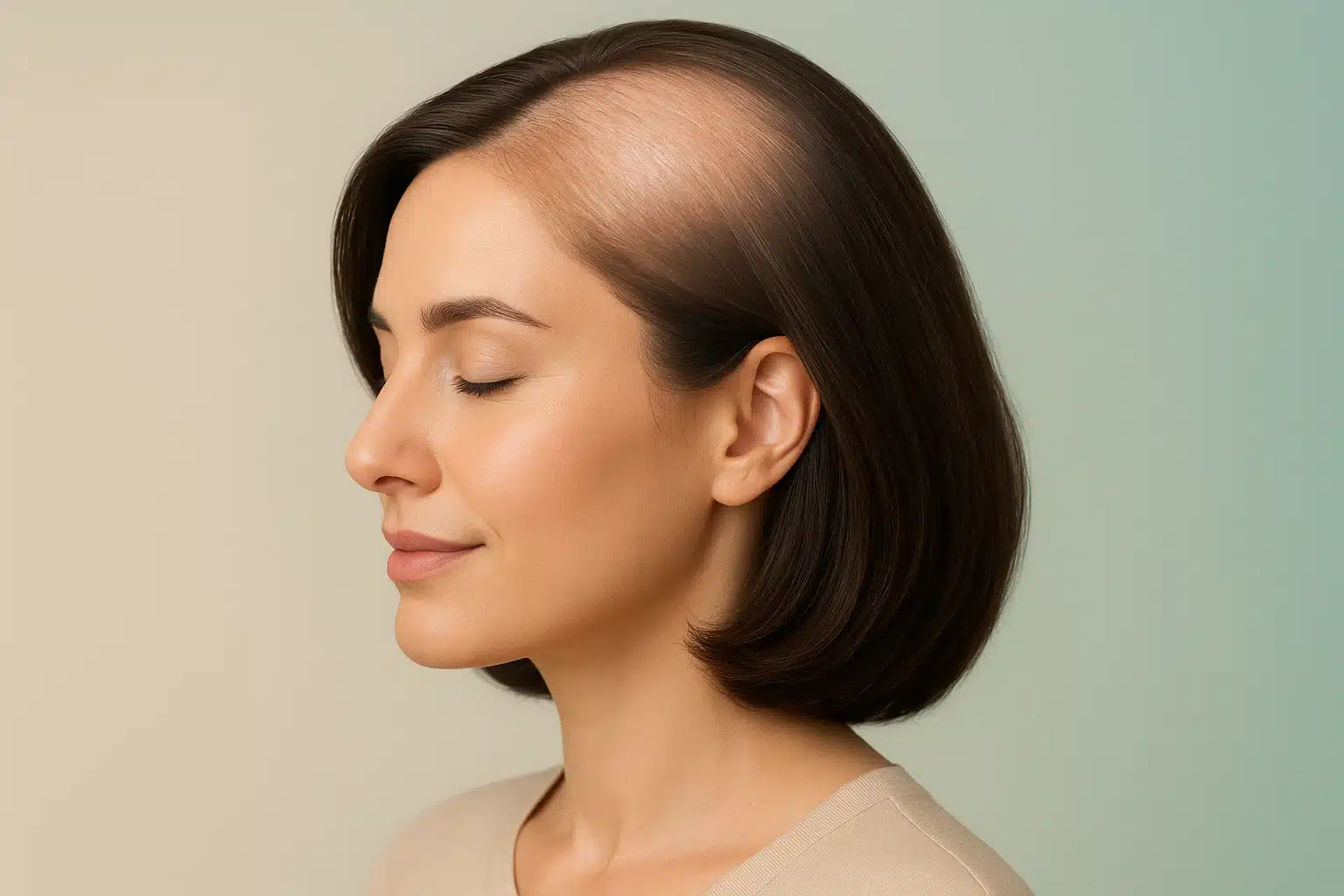
Let’s tackle the elephant in the room immediately. This is the number one fear for anyone new to wearing wigs, especially those already dealing with thinning hair or alopecia.
The short answer is: No, wigs themselves do not cause hair loss.
However, improper wig habits can. This is a critical distinction. The damage usually comes from two specific culprits:
- Traction Alopecia: This occurs when a wig is too tight or when the underlying biological hair is braided or pinned with excessive tension. It pulls on the follicles, causing stress over time.
- Neglected Scalp Hygiene: A scalp that isn’t cleansed or moisturized properly can develop clogged pores or fungal issues, which inhibits healthy hair growth.
Think of your wig as a protective style. When done correctly, it actually shields your biological hair from environmental damage and heat styling. The goal of a scalp care routine is to ensure that protection doesn’t turn into suffocation.
The “Why”: Your Scalp’s Secret Life Under a Wig
To understand how to care for your scalp, you have to understand the micro-climate underneath your wig cap.
Your scalp is living skin that breathes, sweats, and produces natural oils (sebum). When you cover it with a wig cap and a wig for 8 to 12 hours a day, you trap heat and moisture. Without a proper routine, this environment can lead to bacterial growth, odors, and the dreaded “wig itch.”
We treat the skin on our faces with cleansers, toners, and moisturizers because it is exposed. Your scalp requires that same level of “skincare,” specifically tailored to counteract the lack of airflow.
The Core 4 Routine: Your Step-by-Step Guide
Regardless of why you wear a wig, these four pillars form the foundation of a healthy scalp.
1. Cleanse (The “Goldilocks” Method)
Washing your hair and scalp is a balancing act. Wash too often, and you strip away natural oils, triggering your scalp to overproduce sebum to compensate. Wash too little, and you risk buildup that clogs follicles.
- The Routine: For most daily wearers, a thorough wash every 7 to 10 days is sufficient, provided you aren’t sweating excessively.
- The Technique: Use the pads of your fingers (never fingernails) to gently massage the shampoo into the scalp. Focus on the skin, not just the hair strands.
2. Moisturize (Hydration, Not Grease)
This is where many go wrong. Heavy, greasy oils (like thick castor oil) can clog the pores under a wig. You want hydration that absorbs, not oil that sits on the surface.
- The Goal: Maintain the skin’s moisture barrier so it remains elastic and comfortable.
3. Massage (Stimulation)
Circulation is the lifeblood of hair follicles. Since wearing a wig can sometimes restrict blood flow due to compression, manual stimulation is vital.
- The Routine: Spend 2–3 minutes daily massaging your scalp in circular motions. This brings oxygen and nutrients to the follicles and helps relax tight scalp muscles.
4. Protect (The Barrier)
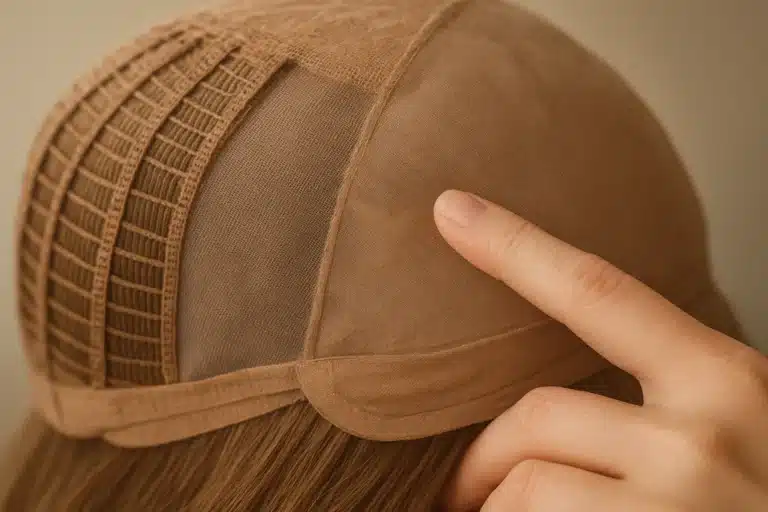
Never wear a wig directly on your biological hair without a barrier, especially if the wig has a coarse base. A wig cap acts as a sock for your head—it absorbs sweat and reduces friction.
- The Check: Ensure your wig cap is breathable (nylon or bamboo are excellent choices) and wash it after every wear.
Mastery: Tailor Your Routine for Your Scalp Type
Generic advice only goes so far. Your scalp has a specific personality—Oily, Dry, or Sensitive. Using the right ingredients for your type transforms a good routine into a great one.
For the Oily Scalp
If you find your wig slipping by midday or your forehead getting shiny, you likely have an oily scalp. The heat under the wig is liquefying your sebum.
- The Strategy: Balance, don’t strip.
- Hero Ingredients: Look for shampoos with Salicylic Acid (to exfoliate inside the pore) or Tea Tree Oil (natural antimicrobial properties).
- Pro Tip: Use a witch hazel toner on your scalp between wash days to control oil without drying out the skin.
For the Dry, Flaky Scalp
If your scalp feels tight or you see flakes on your shoulders, your scalp is thirsty. The friction from the wig cap is likely absorbing what little moisture you have.
- The Strategy: Deep hydration.
- Hero Ingredients: Jojoba Oil is incredible because it mimics the molecular structure of human sebum. Hyaluronic Acid serums can also be applied to the scalp to draw moisture into the skin.
- Pro Tip: Apply your moisturizer at night so it has hours to absorb before you put your wig cap back on.
For the Sensitive Scalp
If your scalp is red, tender, or constantly itchy, your barrier is compromised. You may be reacting to the wig materials or laundry detergents used on your wig cap.
- The Strategy: Soothe and calm.
- Hero Ingredients: Aloe Vera (cooling and healing), Colloidal Oatmeal, and Panthenol (Vitamin B5). Avoid fragrances and heavy sulfates.
- Pro Tip: Switch to a bamboo wig cap, which is naturally softer and hypoallergenic compared to standard nylon.
Common Pitfalls: What Not to Do
Even with the best intentions, small mistakes can lead to discomfort. Avoid these common errors:
- Don’t put a wig on wet hair: This is a breeding ground for fungus (mildew) and bacteria. Your biological hair must be 100% dry before the cap goes on.
- Don’t ignore the itch: Persistent itching is a sign of a problem (dryness, reaction, or fungus). Don’t just pat your weave; treat the scalp.
- Don’t braid too tightly: If you braid your bio hair under your wig, it should not hurt. If you see “bumps” at the hairline or feel a headache, it is too tight and can cause traction alopecia.
Frequently Asked Questions
Q: Can I sleep in my wig?
A: Ideally, no. Your scalp needs 6–8 hours of “breathing time” free from compression and heat. Sleeping in a wig also reduces the lifespan of the wig itself due to friction against the pillow. If you must, use a silk pillowcase and a loose bonnet.
Q: How do I stop my scalp from sweating so much?
A: A bamboo wig liner is excellent for wicking moisture. You can also lightly dust your scalp with a non-talc cornstarch powder before putting on your cap to absorb excess humidity.
Q: My scalp hurts after a few hours. What is wrong?
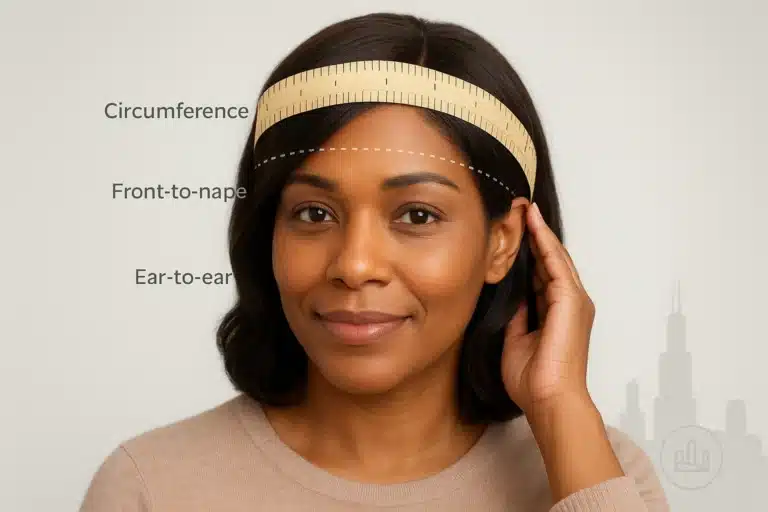
A: This usually indicates the wig is too small or the adjustment straps are too tight. A wig should feel secure, not squeezing. Measure your head circumference again and check the wig’s sizing specifications.
The Path to Comfortable Confidence
Caring for your scalp isn’t just a maintenance task; it is an act of self-care. When your scalp is healthy, comfortable, and itch-free, you stop thinking about what’s on your head and start focusing on living your life.
Remember, every scalp is different. It may take some experimentation to find the perfect balance of moisture and cleansing that works for you. At Wig Superstore, we believe that the best wig experience starts with a healthy foundation. Whether you are browsing for your next style or just looking for advice, we are here to support every step of your journey.