For many, the journey to finding a wig doesn’t begin with a desire for a new look—it begins with a diagnosis. Whether you are navigating chemotherapy, alopecia, or another medical condition, the emotional weight of hair loss can feel just as heavy as the physical symptoms. It’s a moment where you aren’t just looking for hair; you are looking to reclaim a piece of your identity.
In a bustling city like ours, the options can feel overwhelming. However, when navigating the emotional journey of hair loss, finding the right support is essential. For those seeking the best wig stores in Atlanta, it is crucial to look beyond style and prioritize shops that offer private consultations and medical-grade expertise. Understanding what to look for—from cap construction to insurance billing—ensures you find a partner that respects your journey.
The “Aha” Moment: Fashion Wigs vs. Cranial Prostheses
One of the most common misconceptions we see is the belief that a wig is simply a wig. However, for a medical hair loss patient, the difference between a fashion wig and a medical-grade piece is night and day.
In the medical world, these are often referred to as a Cranial Prosthesis. This isn’t just fancy terminology; it is a critical distinction for two reasons:
- Insurance Coverage: Many insurance providers in Georgia cover “cranial prostheses” as Durable Medical Equipment (DME). If you purchase a standard “wig,” your claim may be denied. A specialized retailer will understand these codes and help you navigate the paperwork.
- Construction Science: A fashion wig is designed to sit on top of biological hair. A medical wig is designed to sit on a sensitive, bare scalp. The materials used must be hypoallergenic and non-abrasive to prevent irritation on skin that may already be compromised by treatment.
The Scalp Sensitivity Factor: Why Construction Matters
When your scalp is exposed due to medical hair loss, it becomes significantly more sensitive to touch and temperature. The “itchiness” people often associate with wigs usually comes from machine-wefted caps that are mass-produced for fashion purposes.
For medical needs, you should specifically look for stores that educate you on cap construction.
Hand-Tied vs. Wefted
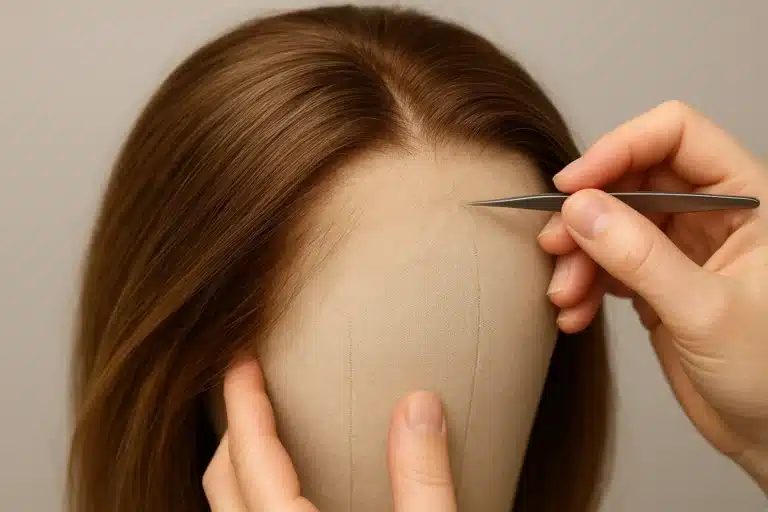
The gold standard for medical hair loss is the hand tied human hair wig. In this construction, every single strand of hair is individually knotted into the cap by hand. This creates the appearance of natural growth from the scalp and allows the hair to move freely. More importantly, the interior is incredibly soft and lacks the rigid wefts (rows of hair) that can dig into a tender scalp.
Materials that Breathe
If you are undergoing chemotherapy, your body temperature can fluctuate. Specialized boutiques will steer you toward monofilament or silk tops. These materials are breathable and mimic the look of natural skin, but they also serve a functional purpose: they prevent heat from getting trapped against the head, which is essential for comfort during long-term wear.
The Atlanta Standard: 5 Non-Negotiables for Your Search
As you evaluate where to go in the Atlanta area, use this checklist to ensure the store is equipped to handle medical hair loss. If a shop cannot offer these five things, keep looking.
1. The “Safe Space” Guarantee
Privacy is not a luxury; it is a requirement. You should never be asked to remove your head covering or try on wigs on a sales floor in view of other customers or mall traffic. Look for establishments that guarantee private fitting rooms where you can feel vulnerable and safe.
2. Medical Billing Expertise
Does the staff understand the “Code Gap”? A truly supportive retailer will know the difference between a fashion receipt and a medical invoice. They should provide you with the necessary documentation containing the correct NPI (National Provider Identifier) numbers and CPT codes so you can submit your claim for reimbursement.
3. Sensory-Focused Inventory
A shop catering to medical needs should encourage you to touch the inside of the cap before you even look at the style. They should have comfortable wigs for sensitive scalp issues readily available for you to feel. If the focus is solely on the color and cut without discussing the texture against your skin, they may be prioritizing the sale over your comfort.
4. Solutions for Active Lifestyles
Medical hair loss affects people of all ages, including children and active adults. A specialized store should be familiar with advanced security options. For example, a suction silicone wig cap or silicone grippers can be life-changing for children or active adults, providing a vacuum-like seal that allows for confident movement without adhesives.
5. Compassionate Consultation
The consultation should happen before you make a purchase. This is a time for education, not sales. The best specialists will encourage you to come in before your hair loss is complete to match your natural color and texture, easing the transition.
The Financial Roadmap: Navigating Insurance
Many Atlanta residents are unaware that their health insurance policy may cover 80% to 100% of the cost of a cranial prosthesis. To advocate for yourself, follow this brief roadmap:
- Step 1: Contact your insurance provider regarding coverage for “Durable Medical Equipment” (DME), specifically asking about coverage for a cranial prosthesis.
- Step 2: Ask your oncologist or dermatologist for a prescription. It must read “Cranial Prosthesis” (not “wig”) and include the diagnosis code (e.g., Alopecia Totalis, Chemotherapy Induced Alopecia).
- Step 3: Choose a retailer that provides a compliant invoice. This invoice must show that the item purchased is a medical device, distinct from a fashion accessory.
Frequently Asked Questions
Q: When should I start shopping for a medical wig?
A: Ideally, visit a specialist before you lose your hair. This allows the stylist to see your natural hair style, color, and density, ensuring a seamless match. It also reduces anxiety by having your solution ready before you need it.
Q: Will a medical wig look natural?
A: Yes. High-quality medical wigs, especially those with monofilament tops and lace fronts, are virtually undetectable. The hand-tied construction allows the hair to part in any direction, just like natural hair.
Q: How do I keep the wig on if I have no hair?
A: Medical wigs are designed with specific sizing for bare scalps. Many utilize velvet-lined ear tabs, adjustable straps, or silicone lining that grips the skin gently but securely. You generally do not need tape or glue for a high-quality medical fit.
Q: Is human hair better than synthetic for medical loss?
A: Not necessarily. While human hair offers the most natural movement, high-quality synthetic fibers have “memory” and hold their style after washing, which can be a relief when you are feeling fatigued from treatment. The choice depends on your energy levels and lifestyle.
Taking the Next Step
Choosing a wig during a medical crisis is about more than aesthetics; it is about finding a partner who understands the intersection of healthcare and hair care. By prioritizing privacy, comfort, and expertise, you protect not only your image but your peace of mind.
As you continue your research, remember that you are the expert on your own comfort. Trust your instincts, ask the hard questions about cap construction, and choose a provider who treats your hair loss with the dignity it deserves.