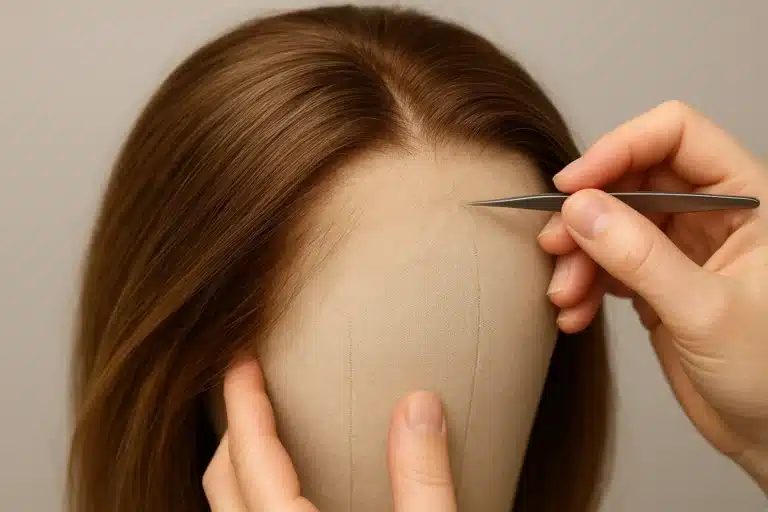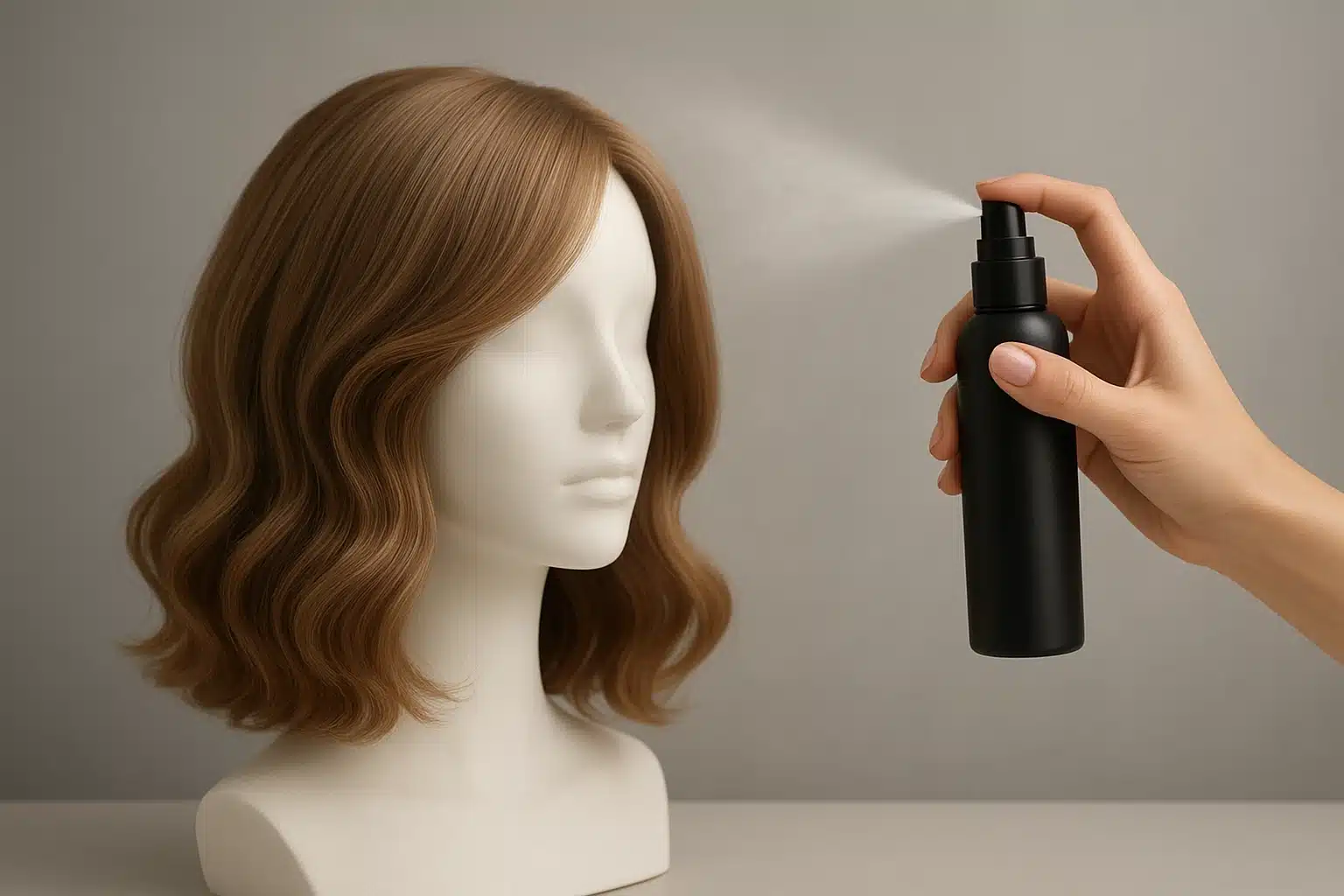
Picture this: You have just unboxed a beautiful new wig. The fibers are soft, the color is vibrant, and the style is nearly perfect. You reach for a can of standard drugstore hairspray to tame a few flyaways, expecting the same results you’d get with biological hair. But instead of a soft hold, the fibers turn stiff, sticky, and dull. Within minutes, that natural movement is replaced by a “plastic helmet” look.
It is a heartbreaking scenario, but a common one. The chemistry of wig fibers—whether synthetic or human hair processed for wigs—reacts differently to styling products than growing hair does. To truly unlock flawless styles, beginners need more than just luck; they need an expert guide to wig-safe tools & products that provides a framework for choosing the right hold without compromising the integrity of the fiber. Understanding the science behind the spray is the first step toward confident styling.
The Chemistry of Control: Why “Regular” Hairspray is the Enemy
The most critical lesson in wig styling is understanding the “Why.” Why can’t you use the bottle of hairspray sitting in your bathroom cabinet?
The answer lies in solvent chemistry. Traditional hairsprays often rely on high concentrations of alcohol to dry quickly. On human hair, this can be drying but is generally manageable. However, synthetic wigs are essentially composed of fine plastic fibers. When high-proof alcohol meets certain synthetic polymers, it acts as a solvent. In extreme cases, it doesn’t just dry out the fiber; it can chemically deteriorate it, causing the fibers to fuse together or become brittle.
Furthermore, biological hair is porous; it absorbs oils and moisture. Synthetic fiber is non-porous. Standard styling products designed to soak into the cuticle will simply sit on top of a synthetic strand, creating a gummy, white residue that dulls the shine and attracts dust.
The Hold-to-Shine Matrix: Matching Product to Purpose
Not all wig sprays are created equal. To build your styling arsenal, think of products not just by brand, but by where they fit on the “Hold-to-Shine Matrix.”
Flexible Hold: The “Natural Flow”
For daily wear, your goal is likely movement. You want the hair to bounce when you walk, not move as a solid block.
- Best For: Taming flyaways, defining layers, and everyday maintenance.
- The Formulation: Look for water-soluble, lightweight mists (often labeled as “flexible” or “brushable”). These sprays form a web of support that breaks easily when you brush it, allowing you to restyle the next day without washing the wig. Brands like Jon Renau and BeautiMark excel here with paraben-free formulas designed specifically for fiber longevity.
Medium to Firm: Structure Without Stiffness
Sometimes you need a style to stay put, such as when wearing an updo or keeping sweeping bangs out of your eyes.
- Best For: Wedding styles, formal updos, and windy days.
- The Application: These sprays have higher polymer content. The key is to apply them further away from the head to ensure an even coat that locks the style without creating a shell.
Industrial Strength: The Cosplay “Gravity Defying” Zone
This is where the “power users” live. If you are looking to create the iconic spikes of anime characters like Kaeya or Kokichi, flexible mist won’t cut it.
- The Secret: While we generally advise against heavy drugstore products, the cosplay community swears by specific “glued” styling products (like Got2b) for gravity-defying spikes.
- The Technique: For these extreme looks, it’s about “Thermal Fusion.” You apply the product to the spike, tease the fiber, and then use a hair dryer on a cool/warm setting to set the hold. The heat helps the product bond to the synthetic fiber, freezing it in place.
Aerosol vs. Non-Aerosol: The Application Debate
Beyond the hold level, the delivery system matters.
Aerosol Sprays produce a continuous, fine mist. They are excellent for overall finishing and adding a veil of shine. However, they can be difficult to control if you are trying to style a specific section.
Non-Aerosol (Pump) Sprays deliver a wetter, more concentrated burst of product. These are superior for “spot styling”—such as fixing a specific curl or cementing a spike—because you can direct the liquid exactly where it needs to go without clouding the rest of the wig.
Mastering the Application: The “Three-Layer” Rule
A common mistake is the “heavy douse”—spraying the wig until it feels wet. This guarantees a crunchy texture. Instead, borrow a technique from professional stylists called the Three-Layer Rule.
- The Foundation Layer: Hold the can 10–12 inches away from the wig. Mist lightly while keeping the wig in motion (or moving your hand). Let it dry for 30 seconds.
- The Building Layer: Apply a second light mist to areas that need more support. Use your fingers to guide the hair into place while it is still tacky.
- The Locking Layer: A final, quick burst to seal the deal.
By layering thin mists, you build hold internally without creating a thick crust on the surface.
The “Shine” Dilemma and Color Care
Wig sprays aren’t just for hold; they are essential for light management.
Reducing the “Plastic” Look
New synthetic wigs can sometimes look too shiny, giving away their artificial nature. A specialized “dry shampoo” or matte texture spray can be dusted over the wig to absorb light reflection, giving the fiber a more realistic, human-hair appearance.
The “Silver Mist” Specialty
Grey and silver wigs are trending, but they face a unique challenge: yellowing. Just like platinum blonde human hair, silver synthetic fibers can discolor over time due to environmental factors. Using a violet-toned mist or “Silverist” styling product acts as a color corrector, neutralizing brassy tones and keeping that cool, “Silver Mist” vibrancy alive.
Troubleshooting: The “White Crust” Rescue
Even with the best products, buildup happens. If you notice white flakes or a dull film on your wig, do not brush it aggressively—this can snap the fibers.
Instead, it is time for a reset. Proper wig care involves removing this product buildup gently. For extreme residue (especially from cosplay styling), a “Baking Soda Soak” can be a lifesaver. Dissolving baking soda in lukewarm water and soaking the wig helps break down the stubborn polymers that regular shampoo might miss. Once the buildup is dissolved, follow up with your standard conditioning routine.
Frequently Asked Questions
Q: Can I use heat tools after spraying my wig?
- A: Generally, no. Most hairsprays are flammable and can cook onto the fiber if heat is applied directly over them. Always style with heat first (if your wig is heat-friendly), let it cool to set the shape, and then apply spray to finish.
Q: How often should I wash my wig if I use spray daily?
- A: If you are using light, water-soluble sprays, you can gently brush them out. However, if you use firm hold sprays daily, you will need to increase your wig maintenance frequency to every 6-8 wears to prevent permanent buildup.
Q: Why is my wig sticky after drying?
- A: You likely held the spray bottle too close. When the nozzle is too close, the alcohol doesn’t have time to evaporate before hitting the hair, leaving the concentrated product in a wet clump. Remember the 10-12 inch rule!
Next Steps
Mastering wig sprays is about understanding the delicate balance between chemistry and artistry. By choosing the right tool for the job—whether it’s a flexible mist for a coffee date or an industrial glue for a convention—you protect your investment and keep your style looking effortless.
If you are ready to explore the specific tools mentioned here, take a moment to review the ingredients on your current products and consider if they are truly serving your style goals. Your wig will thank you for it.