
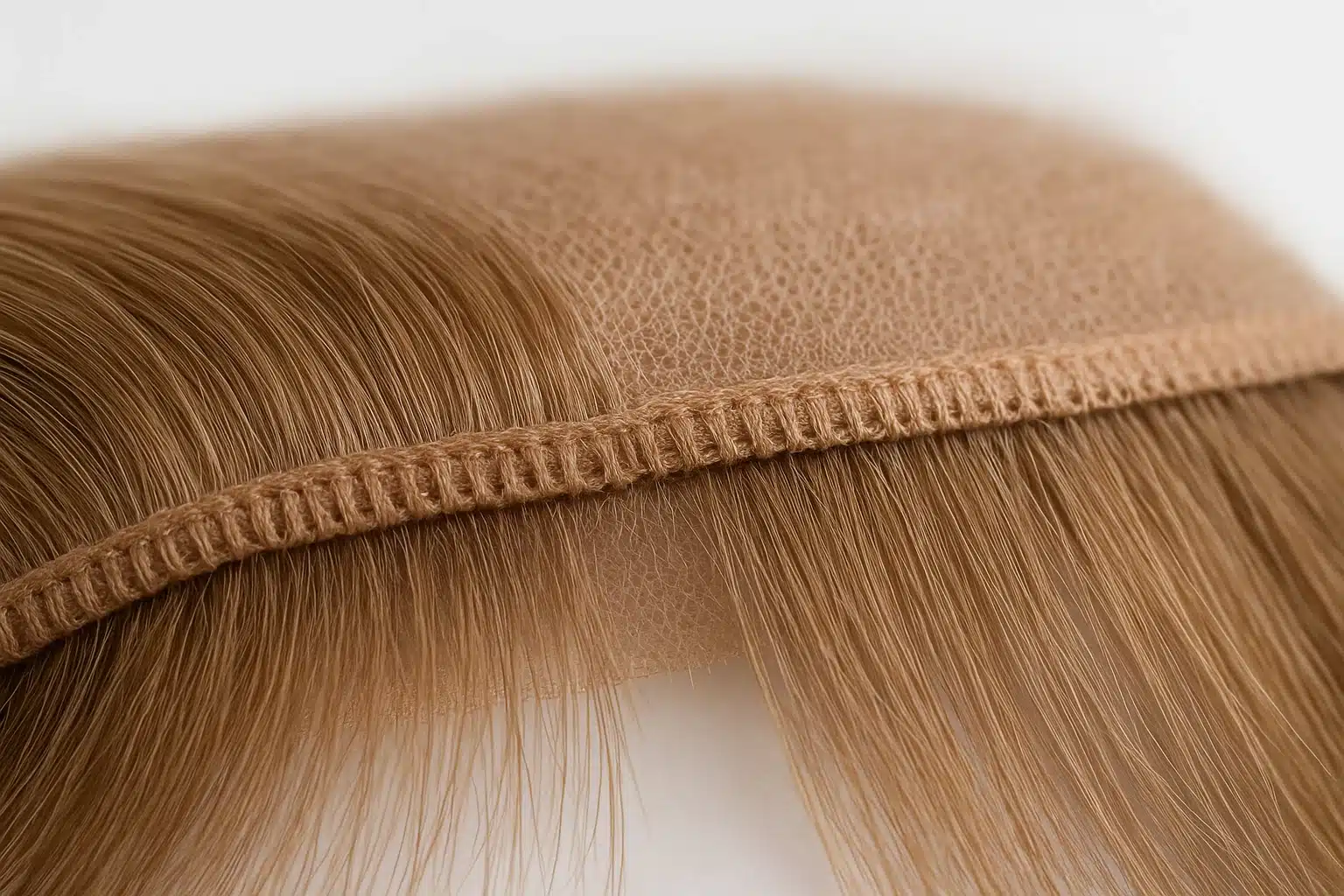
Have you ever turned a wig inside out and wondered how thousands of individual hair strands miraculously stay together? It’s easy to focus solely on the exterior—the beautiful styling, the vibrant color, and the bounce of the hair. But the real secret to a natural-looking, long-lasting wig lies hidden in its seams. When you look closely at the inside of a high-quality wig cap, you’re actually looking at a masterpiece of careful engineering.
The secret to a wig that flows naturally and withstands the rigors of daily wear isn’t just the hair itself; it’s how those strands are anchored to the base. Just as the evolution of wig craftsmanship and materials has remarkably transformed the industry—moving from vintage human hair processing to today’s highly advanced synthetic fibers—the techniques used to stitch hair together have also seen incredible innovation. This foundational, structural process is known in the industry as “wefting.”
Understanding the art of wefting is like learning how a couture dress is stitched. Once you understand the construction, you’ll know exactly what makes a wig comfortable, durable, and breathtakingly realistic.
Foundations: Defining Wefts and Tracks
In the world of alternative hair, “weft” and “track” are often used interchangeably by beginners, but they actually mean two completely different things.
Think of wig construction like a railway system.
- The Track: This is the physical path or foundation on the wig cap itself.
- The Weft: This is the “train car” attached to the track. A weft is a continuous fringe of hair strands that have been meticulously sewn closely together.
During wig construction, these long fringes of wefted hair are sewn in concentric circles or horizontal rows along the tracks of the wig cap to build the bulk and density of the hairpiece.
The “Return Hair” Mystery: No, Your Wig Isn’t Broken
Here is one of the biggest “aha moments” for new wig wearers: Have you ever noticed short, prickly hairs near the roots or seams of your wig and panicked, thinking your beautiful hairpiece was experiencing severe breakage?
Take a deep breath! That is actually called “return hair.”
When creating a weft, the top of the hair strand is folded over the seam and stitched down to create a secure anchor. The short end of that folded hair (usually a couple of inches long) sticks out near the root. Without this return hair, the long strands would simply slip out of the stitching. It is a vital structural component of the wefting process, not a sign of poor quality or damage!
The Machine vs. Man Debate: Types of Wefting
The method used to create the weft drastically dictates the wig’s cost, volume, and movement. Here is a breakdown of the primary wefting techniques you will encounter on your journey.
Machine-Made Wefts
Machine wefting revolutionized the hair industry by making high-quality wigs accessible and affordable. Using specialized single-needle or triple-head sewing machines, raw hair is fed through and tightly stitched into a continuous strip.
Because the machine creates a very secure, slightly thicker seam, machine-made wefts are incredibly durable. They are the perfect choice if you love big, voluminous styles, as the slightly thicker seam naturally lifts the hair away from the scalp, creating beautiful, built-in volume.
Hand-Tied Wefts
While machines brought accessibility, hand-tying preserves the artisan craftsmanship of the luxury market. So, what are hand tied wigs? Instead of using a sewing machine, skilled artisans manually knot individual hair strands onto a micro-thin, invisible thread.
This painstaking process creates a weft that is remarkably thin and flexible. Because the seam is so delicate, hand-tied wefts lay perfectly flat against the head, mimicking the natural growth and free-flowing movement of scalp hair.
Advanced Techniques: Flat and Double Wefts
As you explore different wig constructions, you may also hear about:
- Double Wefts: Two single wefts sewn together. This is ideal for fine-haired users looking to add maximum density and “bulk” without wearing a heavier cap.
- Flat/Seamless Wefts: Modern innovations where hair is bonded with a micro-thin silicone or polyurethane layer instead of thread, making the seam virtually invisible and completely flat against the head.
Navigating Longevity and Daily Wear
Understanding how your wig was constructed is crucial for matching a piece to your lifestyle. If you intend to wear a wig everyday, prioritizing wig comfort becomes paramount. Hand-tied wefts offer unparalleled breathability and a lightweight feel, making them ideal for sensitive scalps or all-day wear. Machine-wefted caps, while slightly heavier, offer a rugged durability that holds up brilliantly to active lifestyles.
Furthermore, construction dictates lifespan. When first investing in a premium hairpiece, many people naturally ask, how long do human hair wigs last? While hair quality plays a major role, the integrity of the weft is just as critical. A well-cared-for machine weft can remain structurally sound for a year or more, while delicate hand-tied wefts require a gentler touch to prevent the manual knots from loosening over time.
Crucial Maintenance Mastery for Wefted Wigs
Proper wig maintenance is essential to protect the delicate engineering of your wig’s wefts. Here are a few golden rules to keep your tracks intact:
- The “No-Cut” Rule for Hand-Tied Wefts: Never cut a hand-tied weft! Because they are created with a continuous manual knotting technique, snipping the thread will cause the entire weft to unravel like a loose sweater. If you or your stylist must alter a hand-tied track, the ends must be sealed with professional weft glue immediately.
- Pro-Tip for Stylists and DIYers: If you are sewing extra clips or modifying the wig cap, always sew around the weft, never through it. Piercing the weft with a needle can break the thread holding the hair together, leading to severe shedding.
- Washing with Care: When washing your wig, avoid vigorously scrubbing the cap. Gentle squeezing ensures that you don’t accidentally loosen the knots or stitches that secure the hair.
Frequently Asked Questions (FAQ)
Why is my new wig shedding slightly?
A small amount of shedding is completely normal for a brand-new wig. When a wig is manufactured, some loose hairs get trapped in the cap without being fully caught in the weft’s stitch. Once these loose hairs brush out, the shedding should stop.
Is a machine-wefted or hand-tied wig better for me?
It depends on your goals! If your priority is maximum volume, durability, and a budget-friendly price point, machine-wefted is fantastic. If your priority is a realistic, flat-to-the-head look, ultimate comfort, and natural movement, hand-tied is worth the investment.
Can I cut the tracks to resize my wig?
Generally, no. Cutting the tracks, especially hand-tied ones, compromises the structural integrity of the weft and causes shedding. Instead of cutting, utilize the adjustable straps built into the nape of most high-quality wig caps for a secure fit.
Your Next Steps in the Journey
Navigating the world of wigs can feel overwhelming at first, but understanding the engineering behind the hair completely shifts how you shop, wear, and care for your pieces. By learning the language of tracks, wefts, and return hair, you are no longer just a consumer—you are an educated wearer empowered to find the perfect match for your unique needs.
Take a moment to examine the inside of your current wig. Can you spot the wefts? Can you find the return hair? The more you understand the craftsmanship, the more confident you will feel in your alternative hair journey.






