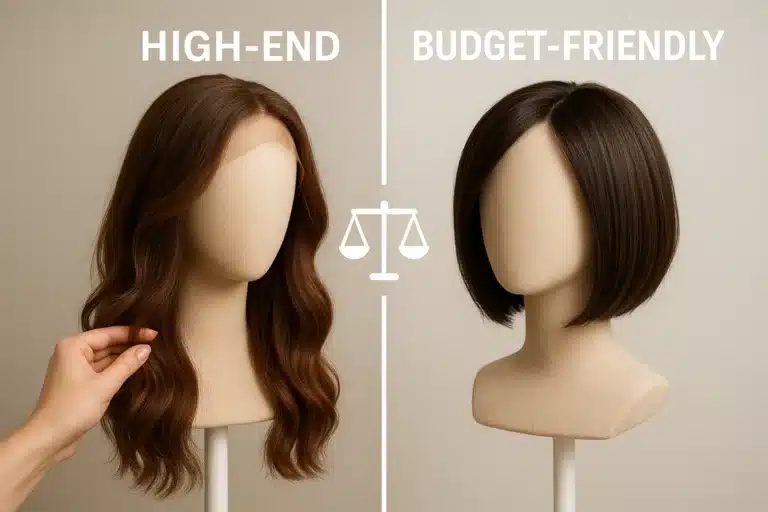
Imagine sipping your morning coffee while wearing a stunning, natural-looking wig that makes you feel confident and ready to face the world. You run your fingers through the soft strands, appreciating the quality. But have you ever paused to wonder: Whose hair was this, and how did it get here? For many navigating the world of hair loss and alternative hair, the origin of their wig is a mystery—a beautiful product with a hidden past.
The global human hair trade is a fascinating, complex, and often unregulated industry. As consumers become more conscious about where their clothing, food, and skincare come from, a critical spotlight is finally shining on the materials used in hairpieces. To fully grasp the broader context of these materials, one should examine the evolution of wig craftsmanship and materials, which highlights the fascinating shift from traditional, untraceable sourcing to modern, technologically advanced and ethical alternatives. Today, we’re taking a closer look at what it truly means to purchase ethically sourced human hair, pulling back the curtain on an industry that thrives on transparency.
Decoding the Jargon: Moving Beyond “Remy”
If you’ve spent any time shopping for human hair wigs, you’ve likely been bombarded with terms like “Remy” and “Virgin.” For years, the industry has used these words as proxies for ethics, but this is a common misconception.
“Remy” simply means the hair cuticles are kept intact and aligned in the same direction, preventing tangling. “Virgin” means the hair has never been chemically treated. These are markers of quality, not ethics. A wig can be 100% Remy human hair and still come from an entirely untraceable or exploitative source.
To truly understand ethical sourcing, we have to look past the marketing buzzwords and examine the human element of the supply chain.
The Middleman Myth
In the conventional hair trade, “Raw Wholesale Hair” often passes through five or more hands before reaching the consumer. It moves from rural villages to local brokers, regional aggregators, international exporters, factories, and finally, retailers. With each exchange, traceability dilutes. True ethical sourcing requires a radically transparent supply chain where brands know exactly where their materials originate.
The Truth About Temple Hair
One of the most common sources for high-quality human hair is India, specifically through religious institutions. Millions of pilgrims shave their heads in a practice called tonsuring as an act of religious devotion and surrender. But is it ethical to sell donated hair?
When managed correctly, the socio-economic cycle of Temple Hair is incredibly positive. Reputable temples auction this donated hair to verified manufacturers. The revenue generated—sometimes upwards of £22 million annually at major temples—is reinvested directly into the community. It funds free meals that feed up to 30,000 people daily, builds local schools, and supports community hospitals. Understanding this cycle transforms a simple wig purchase into a connection with global community support.
The 5-Point Ethical Hair Audit
You shouldn’t have to just trust a brand when they say they are “ethical.” As an empowered consumer, you can use this 5-point framework to audit the transparency of human hair sourcing.
1. Proof of Consent
Ethically sourced hair begins with willing donors. Whether the hair is donated for religious reasons or sold for income, there must be a clear system verifying that the individual gave informed consent to part with their hair, without coercion.
2. Fair Wage Documentation
When hair is purchased directly from communities (often in Eastern Europe or South America), ethical brands ensure donors receive a fair, living-wage premium for their hair. This turns hair selling into a safe, empowering economic opportunity rather than a desperate measure.
3. Labor Conditions
The ethics of a wig don’t stop at the donor; they extend to the artisans who ventilate (hand-tie) the wigs. Ethical manufacturers provide safe working conditions, standardized working hours, and fair living wages to the skilled workers who spend up to 40 hours crafting a single human hair wig.
4. Chemical Safety Standards
Have you ever wondered how dark hair becomes platinum blonde? Mass-produced, commodity wigs often use harsh “acid baths” to strip the hair cuticle rapidly. This not only degrades the hair’s lifespan but also exposes workers and the local environment to toxic runoff. Ethical sourcing relies on “slow-processing” techniques—gentle, multi-day lightening processes that protect both the environment, the workers, and the longevity of the hair.
5. Community Reinvestment
The gold standard of ethical sourcing is social impact. Does the manufacturer give back to the communities where the hair is sourced? Look for supply chains that fund local education, healthcare, or infrastructure.
The Sustainability Factor: Ethics Beyond the Donor
When we talk about ethical sourcing, we must also talk about the planet. The environmental impact of your wig is a crucial part of the sustainability conversation.
The Microplastic Problem vs. Biodegradability
Ultra-cheap, fast-fashion synthetic wigs are essentially extruded plastics. When they are disposed of, they can sit in landfills for centuries, shedding microplastics into the environment. Human hair, on the other hand, is a 100% natural, biodegradable fiber. While high-quality, advanced synthetics have a valuable place in the alternative hair space (especially for those needing low-maintenance options), choosing a human hair wig is inherently an earth-friendly choice.
Longevity as an Ethical Choice
The most sustainable product is the one you don’t have to replace. Because ethically sourced, slow-processed human hair hasn’t been destroyed by acid baths, it retains its natural strength. A high-quality human hair wig can last 24 months or more with proper care, drastically reducing consumer waste compared to cheaper alternatives that must be replaced every few months.
Actionable Verification: Spotting “Ethical Washing”
How do you know if you’re buying a genuine, ethically sourced human hair wig, or if a manufacturer is simply mixing human hair with synthetic floor sweepings to cut costs?
The Burn Test Tutorial
If you ever suspect your “100% human hair” piece has been mixed with cheap synthetic fillers, you can perform a simple burn test on a few stray strands:
- Human Hair: Will burn quickly, turn into ash that crumbles between your fingers, and smell like burning feathers or barbecue.
- Synthetic Hair: Will melt rather than burn, curl up into a hard plastic bead, and smell like burning sweet plastic.
Questions to Ask Before You Buy
Don’t be afraid to email a vendor and ask hard questions. A reputable, transparent brand will be happy to answer:
- Can you trace the origin country of this specific hair?
- How are the donors compensated, or how are temple funds utilized?
- Do your factories use rapid acid baths or slow-processing for color treating?
Frequently Asked Questions (FAQ)
Why does ethically sourced human hair cost more?
Ethical hair costs 20% to 50% more to produce because it involves paying fair wages to donors, ensuring safe labor conditions for wig makers, and utilizing gentle, time-consuming “slow-processing” color techniques rather than cheap, toxic acid baths. You are paying for a clean conscience and a vastly superior, longer-lasting product.
What is the difference between “Raw” hair and ethically sourced hair?
“Raw” hair simply means the hair has been cut from a donor and hasn’t been steamed or chemically treated. It does not guarantee that the donor was paid fairly or consented. “Ethically sourced” guarantees the human rights and environmental safety of the entire supply chain.
Is it wrong to buy non-European hair?
Not at all. High-quality hair comes from all over the world, including India, South America, and Asia. The ethical nature of the hair depends entirely on how it was acquired and processed, not the geographic location it came from.
Your Next Steps on the Alternative Hair Journey
Navigating the world of wigs and hair loss is deeply personal. For almost two decades, Wig Superstore has been dedicated to providing compassionate care and industry expertise to help individuals feel beautiful and confident. Understanding where your wig comes from is a vital step in making an empowered, educated choice.
By demanding transparency, you aren’t just buying a wig; you are casting a vote for fair wages, safe working conditions, and environmental sustainability. As you continue to explore your options, keep this ethical audit in mind, and remember that true beauty is compassionate—from the donor to the wearer.